
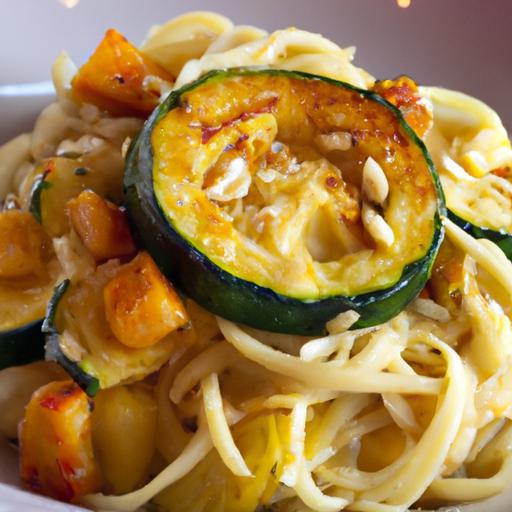
When the crave for comforting pasta hits but the calorie count gives you pause, spaghetti squash steps in as a delightful game-changer. This vibrant, golden-hued vegetable transforms effortlessly into a tangle of noodle-like strands, delivering all the satisfaction of a classic pasta dish with a fraction of the calories. In this article, we’ll unravel the secrets behind spaghetti squash’s light yet luscious charm, exploring how it can elevate your meals while keeping your wellness goals in check. Say goodbye to guilt and hello to a fresh, flavorful twist on pasta pleasure!
spaghetti Squash Calories: A Light Twist on Pasta Pleasure
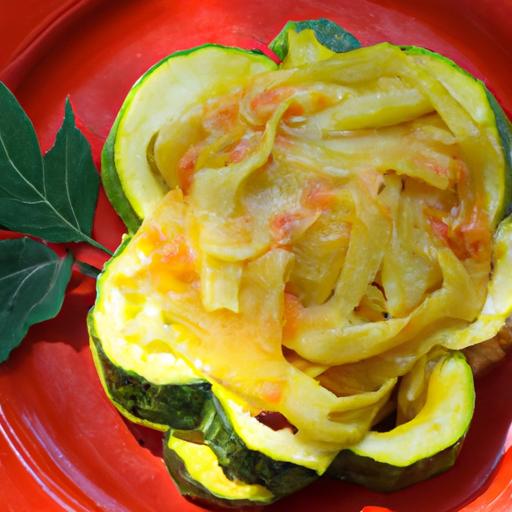
Spaghetti squash calories make this vibrant vegetable an appealing option for anyone looking to enjoy the comforting texture of pasta while keeping their meals light and nutritious. Originating from the Americas and embraced worldwide, spaghetti squash offers a fresh take on classic Italian dishes without sacrificing flavor or satisfaction. its naturally stringy flesh beautifully mimics conventional spaghetti noodles, making it a perfect canvas for sauces, herbs, and toppings that elevate every bite.
Prep and Cook Time
- Preparation Time: 10 minutes
- Cooking Time: 40 minutes
- Total Time: 50 minutes
Yield
Serves 4
Difficulty Level
Easy
Ingredients
- 1 medium spaghetti squash (about 3 lbs)
- 2 tbsp olive oil
- 1 tsp kosher salt
- ½ tsp freshly ground black pepper
- 2 cloves garlic, minced
- 1 cup cherry tomatoes, halved
- ¼ cup fresh basil, chopped
- ¼ cup grated Parmesan cheese (optional)
- fresh lemon zest for garnish
Instructions
- Preheat the oven to 400°F (200°C). Using a sharp knife, carefully halve the spaghetti squash lengthwise. Scoop out the seeds and discard.
- Drizzle each half with 1 tablespoon olive oil, then sprinkle with salt and pepper. Rub the seasoning evenly over the flesh.
- Place the halves cut-side down on a baking sheet lined with parchment paper or foil to catch any moisture.
- Roast for 35-40 minutes, or until the flesh is tender and easily pierced with a fork.cooking times may vary depending on squash size; test after 30 minutes for doneness.
- Remove from the oven and let cool for 5 minutes.Using a fork, gently scrape the flesh to form spaghetti-like strands.
- in a large skillet, heat the remaining tablespoon of olive oil over medium heat. Add minced garlic and sauté until fragrant, about 1 minute.
- Add cherry tomatoes and cook for 3-4 minutes, stirring occasionally until thay soften and release juices.
- Fold in the spaghetti squash strands, tossing gently to combine and warm through, about 2 minutes.
- Remove from heat, stir in fresh basil, and season with extra salt and pepper if desired.
- Plate the spaghetti squash and sprinkle with Parmesan cheese and fresh lemon zest to brighten the dish.
Chef’s Notes
- To speed up cooking, prick the whole squash with a fork and microwave on high for 6-8 minutes, then proceed with halving and scraping.
- Swap cherry tomatoes for sun-dried tomatoes for a punchier flavor.
- Try adding sautéed mushrooms or grilled chicken for extra protein and texture.
- Store leftover cooked strands in an airtight container for up to 3 days-perfect for meal prep!
Serving Suggestions
This dish shines served warm, garnished with fresh parsley or oregano if fresh basil isn’t available. Pair it with a crisp green salad and a glass of chilled white wine for a light, elegant meal. For kids or picky eaters, a sprinkle of mozzarella can create an irresistible, cheesy twist.

Understanding the Nutritional Profile of Spaghetti Squash Compared to Traditional Pasta
Spaghetti squash calories are significantly lower then those of traditional wheat pasta, making it a nutrient-conscious choice without sacrificing satisfaction. One cup of cooked spaghetti squash contains approximately 42 calories, compared to about 200 calories in the same portion of cooked spaghetti pasta. This vegetable-packed alternative offers dietary fiber, vitamins A and C, plus essential minerals like potassium and manganese, supporting heart health and digestion.
Where traditional pasta can spike blood sugar and may leave you feeling sluggish, spaghetti squash provides sustained energy and volume that fills without excess calories. This makes it a fantastic component of weight management and healthy eating plans, especially for those aiming to reduce refined carbs.
How Spaghetti Squash Supports Weight Management and Healthy Eating Goals
With its low-calorie density and high water content, spaghetti squash helps create satisfying meals that promote fullness while keeping calorie counts in check. The fiber in spaghetti squash slows digestion and promotes stable blood sugar levels, which reduces cravings and overeating-a key factor for lasting weight control.
By substituting traditional pasta with spaghetti squash in your favorite dishes, you boost your intake of antioxidants and micronutrients, helping fuel your body and nourish your skin from within. It’s a natural way to enjoy comfort foods with fewer carbs and fats,aligning with diverse diet preferences such as keto,paleo,or plant-based lifestyles.
Flavor Pairing ideas to Elevate Your Spaghetti Squash Dishes
To transform this humble vegetable into a mouthwatering creation, flavor combinations are essential. Consider pairing spaghetti squash with:
- Shining herbs: Basil, parsley, oregano, or thyme bring freshness and color.
- Rich Sauces: Slow-roasted tomato marinara, creamy avocado pesto, or a light lemon garlic olive oil drizzle all complement spaghetti squash strands beautifully.
- Bold Proteins: Pan-seared shrimp, spicy Italian sausage, or crispy chickpeas add texture and fullness.
- Crunchy Toppings: Toasted pine nuts, walnuts, or breadcrumbs provide appealing contrast to the soft strands.
- Cheese: Parmesan, feta, or ricotta offer salty depth and creaminess.
Experiment with seasonal vegetables and fresh flavors to keep your meals inspired and vibrant.
Tips for Preparing Perfectly Tender Spaghetti Squash Every Time
- Select a firm, heavy squash: avoid soft spots or bruises for the best texture.
- Don’t overcook: Squash should be tender but retain some bite; overcooked strands become mushy.
- Use even cooking methods: Baking cut-side down traps steam and enhances tenderness.
- Scrape gently: Use a fork to coax out strands without crushing the flesh.
- Season immediately: Salt the flesh before cooking to help draw out moisture and concentrate flavor.
| Nutrient | Spaghetti Squash (1 cup cooked) | Spaghetti Pasta (1 cup cooked) |
|---|---|---|
| Calories | 42 | 200 |
| Protein | 1 g | 7 g |
| Carbohydrates | 10 g | 42 g |
| Fat | 0.4 g | 1.2 g |
For more creative vegetable-based pasta alternatives, check out our article on Zucchini Noodles: A Fresh Spin on Classic Pasta. For additional nutritional insight, visit NutritionValue.org.
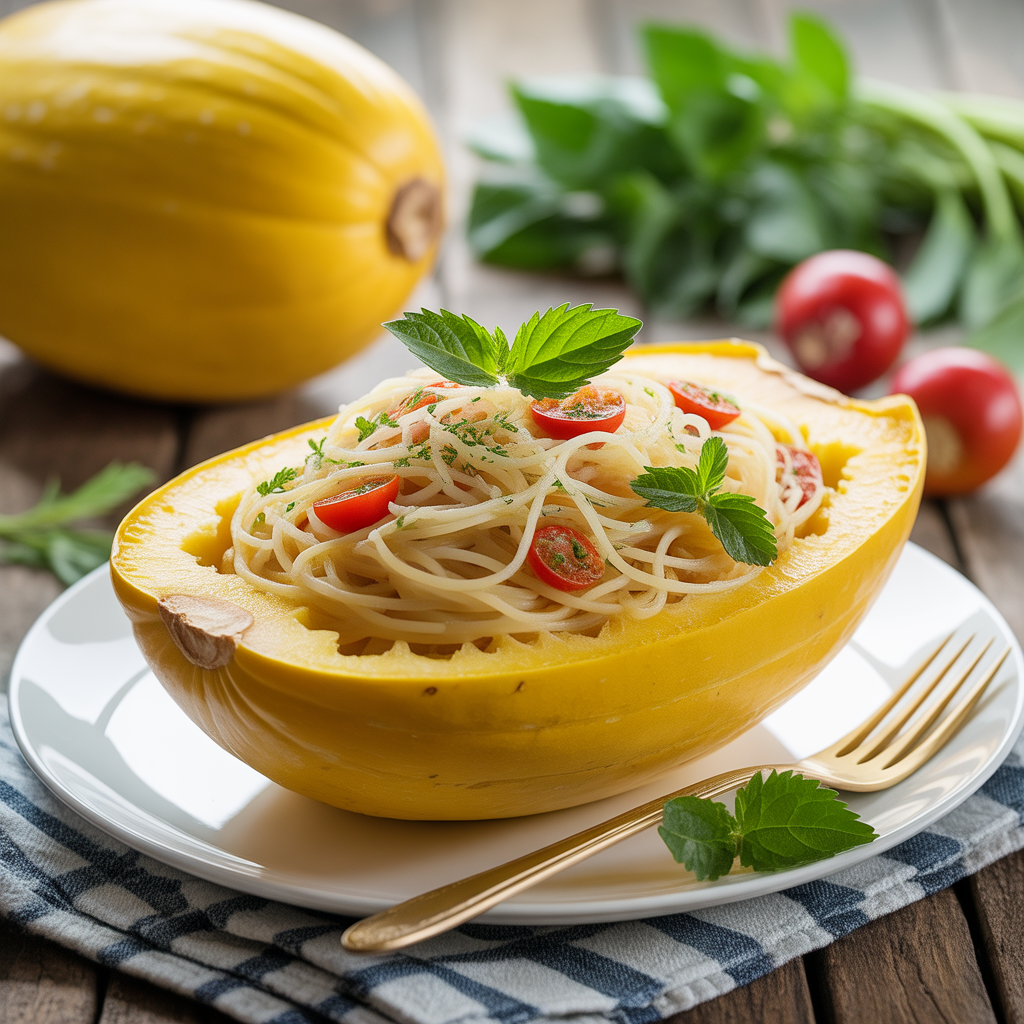
Q&A
Q&A: Spaghetti Squash Calories – A Light Twist on pasta Pleasure
Q1: What makes spaghetti squash a popular low-calorie alternative to traditional pasta?
A1: Spaghetti squash has gained fame for its remarkably low calorie count compared to regular pasta. While a typical cup of cooked spaghetti pasta packs around 200 calories, the same amount of roasted spaghetti squash contains just about 40 calories.This drastic calorie difference means you can enjoy generous portions without tipping the scales, making it a favorite for those aiming to indulge in pasta’s comfort without the guilt.
Q2: How is the calorie content of spaghetti squash beneficial for weight-conscious individuals?
A2: Because spaghetti squash is low in calories but high in volume, it allows you to eat a filling portion with minimal energy intake.this is especially helpful for weight management or calorie-controlled diets. its fiber content also promotes satiety, helping you feel full longer and potentially reducing overall calorie consumption throughout the day.
Q3: Besides being low in calories, what nutritional perks does spaghetti squash offer?
A3: Beyond its calorie-savvy profile, spaghetti squash is a nutrient-rich vegetable boasting vitamins like vitamin C and B6, plus minerals such as potassium and manganese. It’s also packed with antioxidants and offers a decent fiber boost, which supports digestion and overall health. So while you’re cutting calories, you’re not skimping on nourishment.
Q4: does cooking spaghetti squash affect its calorie content?
A4: The calorie content of spaghetti squash stays relatively stable whether it’s roasted, boiled, or steamed-it’s mostly water and fiber, which don’t add calories when cooked. Though, adding oils, sauces, or toppings can significantly increase the calorie count. For instance, a drizzle of olive oil or a rich cheese sauce will ramp up the calories, so those looking to keep it light should choose toppings wisely.
Q5: How can spaghetti squash be creatively incorporated to replace traditional pasta in recipes?
A5: Spaghetti squash’s mild, slightly nutty flavor and noodle-like texture make it an excellent canvas for a variety of sauces and seasonings. Simply scrape out the strands and toss with marinara, pesto, or a light garlic and herb dressing. It can star in dishes like spaghetti squash carbonara, baked casseroles, or even cold pasta salads-each preparation offering a fresh, low-calorie twist on familiar pasta pleasures.
Q6: Is spaghetti squash suitable for all dietary needs?
A6: Spaghetti squash is naturally gluten-free, vegan, and low in carbohydrates, making it suitable for a wide range of diets including gluten-free, vegetarian, vegan, and low-carb plans. Its versatility and nutritional profile give it an edge for many seeking healthier or specialized eating options without sacrificing flavor or texture.
Q7: Any tips for selecting and cooking the perfect spaghetti squash?
A7: Choose a firm, medium-sized spaghetti squash with a consistent yellow or golden hue and no soft spots. When cooking, roast it cut-side down at 400°F (200°C) for about 40 minutes until tender. Use a fork to gently separate the strands-voila,nature’s own low-calorie pasta substitute ready to be dressed and devoured!
Curious to trade traditional pasta’s calorie load for a lighter,nutrient-packed alternative? Spaghetti squash offers a delicious,creative,and health-conscious way to savor dinner with fewer calories and more veggies-a true twist on pasta pleasure!
Final Thoughts
In the grand culinary landscape,spaghetti squash emerges as a shining star-a delightful fusion of nutrition and flavor that redefines our relationship with pasta. By embracing this vibrant squash, you’re not just cutting calories; you’re inviting a fresh, wholesome twist into your meals. Whether you’re seeking to lighten up your favorite dishes or simply explore new textures, spaghetti squash offers a versatile, guilt-free canvas for your culinary creativity. So next time pasta calls your name,consider answering with a serving of spaghetti squash-a delicious detour on the path to vibrant,mindful eating.