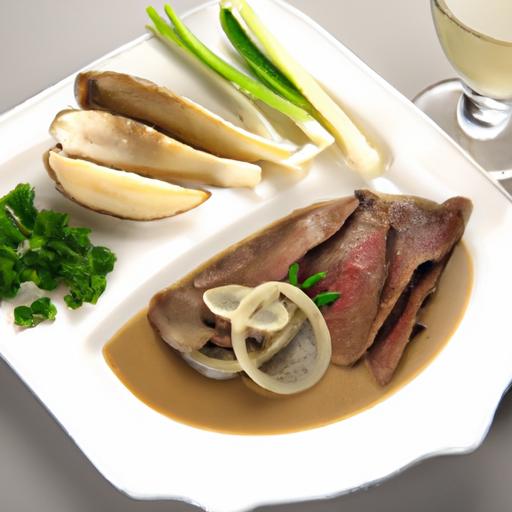

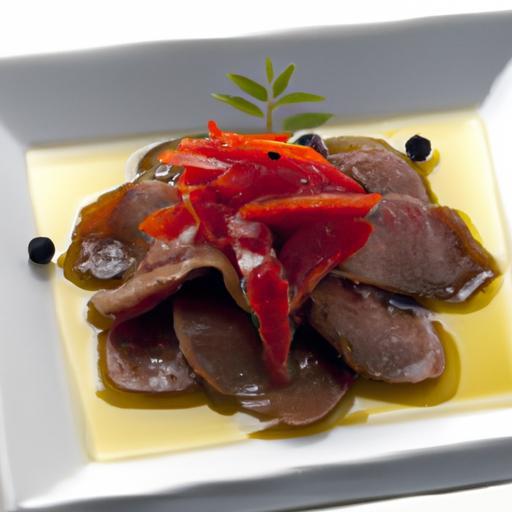
In the vast panorama of global cuisine,few ingredients inspire as much curiosity and culinary reverence as cow’s tongue-a humble organ transformed into a gourmet treasure by skilled hands and time-honored traditions.From bustling street markets in Mexico to refined dining tables in France and Japan, cow’s tongue has journeyed across cultures, captivating palates with its unique texture and rich flavor. This article embarks on a savory adventure to uncover the world’s most exquisite cow’s tongue delicacies, exploring the stories, techniques, and tastes that elevate this often-overlooked delicacy to an art form worthy of revelation and celebration.
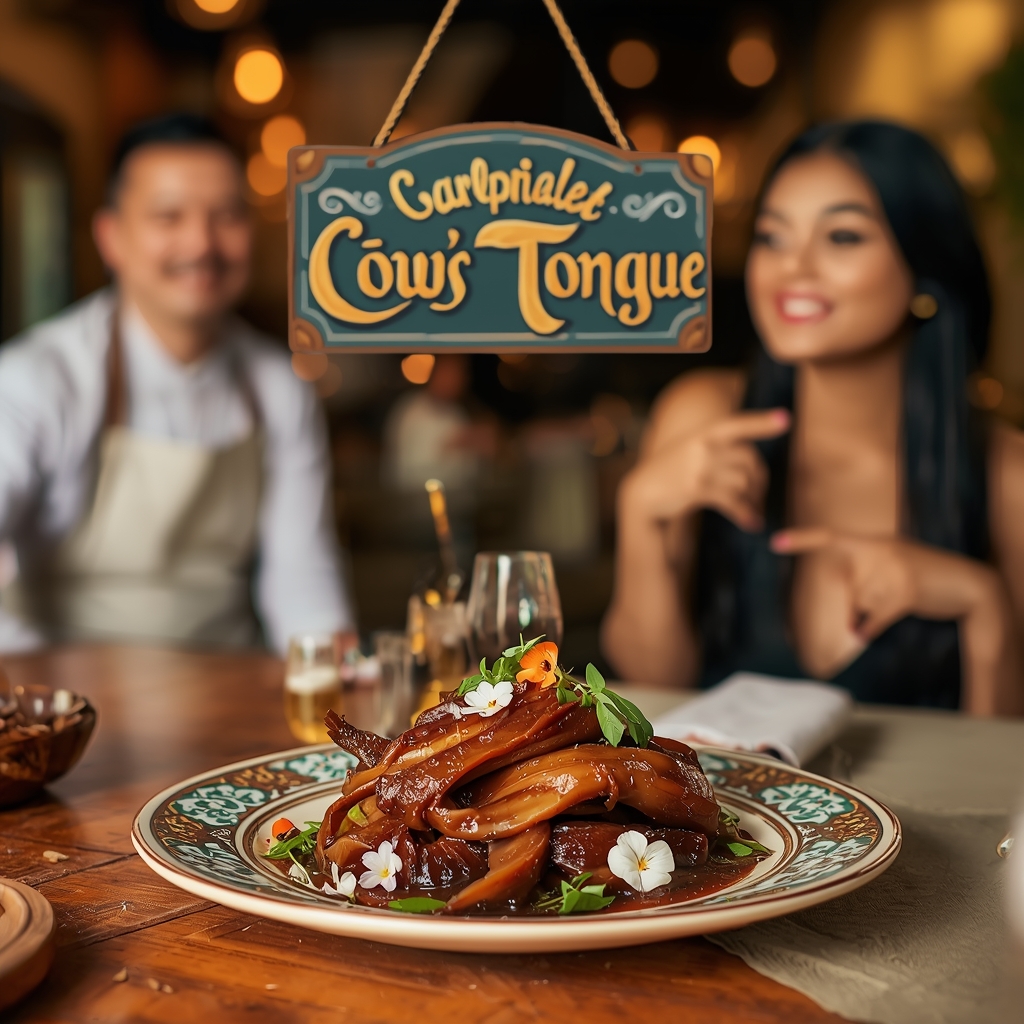
Discovering the World’s Most exquisite Cow’s Tongue Delicacy opens a door to a gourmet experience steeped in rich tradition and culinary finesse. From the first bite, this versatile ingredient reveals a tender texture and delicate flavor that transcends borders and cultures.My passion for cow’s tongue dishes began during a memorable food journey through Latin America, where slow-cooked lengua tacos on bustling street corners introduced me to the unbelievable depth and cultural significance behind every recipe.These dishes honor patience and technique, transforming humble cuts into celebrations of taste and texture.
Prep and Cook Time
Preparation: 20 minutes | Cooking: 2 hours 30 minutes | Total: 2 hours 50 minutes
Yield
Serves 6 generous portions
Difficulty Level
Medium – Great for adventurous home cooks ready to master classic slow-cooked techniques
Key Ingredients
- 1 whole beef tongue (about 3 lbs), rinsed and cleaned
- 1 large onion, quartered
- 4 garlic cloves, smashed
- 2 bay leaves
- 1 tbsp black peppercorns
- 1 tsp coarse salt
- 4 cups beef broth
- 2 cups water
- 1 tsp smoked paprika
- 1 tbsp apple cider vinegar
- Chopped fresh parsley (for garnish)
- Optional: 1 fresh jalapeño, sliced
Step-by-Step Instructions
- Prepare the tongue: Place the rinsed beef tongue in a large pot. Add onion, garlic, bay leaves, peppercorns, and salt.
- Cover with liquids: Pour in beef broth and water,ensuring the tongue is fully submerged. Add apple cider vinegar to help tenderize the meat during cooking.
- Simmer gently: Bring to a boil over medium-high heat, then reduce to a low simmer. Cover and cook for 2 to 2.5 hours or until the tongue is fork-tender. Avoid rolling boil to maintain delicate texture.
- Peel and cool: Remove the tongue from the broth and let it cool just enough to handle. Peel off the thick outer skin carefully – this step is crucial for tender,melt-in-your-mouth results.
- Slice and season: Slice the peeled tongue into ½-inch thick pieces. Lightly brush with olive oil and sprinkle smoked paprika for a smoky depth.
- Sear for flavor: In a hot skillet over medium heat, sear the slices for 2-3 minutes per side until golden brown. This caramelization elevates both flavor and presentation.
- serve warm: Arrange slices on a platter. Garnish generously with chopped parsley and optional jalapeño slices for a spicy kick.
Tips for Success
- Ensure slow, gentle simmering: Rapid boiling tightens the meat fibers, resulting in a tougher texture.
- Don’t rush the peeling: The skin slips off easily when the tongue is warm but not hot.
- Make-ahead option: Cook the tongue in advance and refrigerate. Sear slices just before serving for fresh warmth and crisp edges.
- Flavor variations: Incorporate aromatic herbs like thyme or rosemary in the cooking broth for subtle complexity.
- Substitution suggestions: If whole tongue is unavailable,frozen pre-cleaned tongues save prep time but require the same gentle cooking treatment.
Serving Suggestions
Pair sliced cow’s tongue with warm corn tortillas and a zesty chimichurri for a vibrant Latin-inspired meal. for a refined twist, serve over creamy mashed potatoes topped with caramelized onions and a drizzle of pan jus. Garnish with fresh herbs and pickled vegetables to brighten the palate. Wines with bright acidity, such as a Rioja or a crisp Sauvignon Blanc, complement the richness beautifully.

| Nutrition (per serving) | Amount |
|---|---|
| Calories | 220 kcal |
| Protein | 28g |
| Carbohydrates | 2g |
| Fat | 11g |
Explore more about the art of offal cooking in our extensive guide to offal cooking.For ancient context on beef tongue as a delicacy, the Encyclopaedia Britannica offers a interesting dive into its cultural significance.
Q&A
Q&A: Discovering the World’s Most Exquisite cow’s Tongue Delicacy
Q1: What makes cow’s tongue a sought-after delicacy around the world?
A1: Cow’s tongue, often overlooked in everyday cooking, is cherished for its unique texture and rich, beefy flavor. When prepared correctly, it becomes incredibly tender, with a melt-in-your-mouth quality that tantalizes the palate. Its versatility also allows it to absorb a variety of spices and sauces, making it a favorite in diverse culinary traditions.
Q2: Which cultures are renowned for their cow’s tongue dishes?
A2: Many cultures celebrate cow’s tongue in their cuisine. In Mexico, lengua tacos are a street food staple. In Japan, thinly sliced tongue is a prized choice at yakiniku BBQs. European countries like France feature it in refined dishes such as langue de boeuf served with rich sauces, and in Eastern Europe, it often appears in hearty stews or cold cuts.
Q3: How is the world’s most exquisite cow’s tongue delicacy prepared?
A3: The crown jewel of cow’s tongue dishes is frequently enough saeid to be the French classic langue de veau à la crème-veal tongue simmered gently until tender, then served with a luxurious cream and mushroom sauce. The meticulous process involves slow cooking to preserve tenderness and infusing the meat with aromatic herbs, elevating the humble tongue into a refined masterpiece.
Q4: Are there any unique techniques used to cook cow’s tongue?
A4: Absolutely! One key technique is the blanching and peeling of the tongue’s tough outer skin after slow-cooking, revealing the silky meat beneath. Another approach is thinly slicing the cooked tongue and flash-grilling it to add a smoky char while retaining its softness. marinating beforehand or pairing with acidic sauces can also brighten and balance its rich flavor.
Q5: What should first-timers know before trying cow’s tongue?
A5: For the uninitiated, the idea of eating tongue can be daunting, but it’s critically important to approach it with an open mind. The texture is unlike standard cuts of meat: tender yet slightly chewy, with a depth of flavor that’s both savory and satisfying. Trying it in well-established dishes-such as gently simmered stews or expertly grilled slices-can provide a delicious first experience.
Q6: Why has cow’s tongue maintained its status as a delicacy despite changing food trends?
A6: Cow’s tongue embodies a culinary tradition that values nose-to-tail eating and appreciates bold, authentic flavors. Its enduring appeal lies in its distinctive taste and the skill required to transform it into a tender delicacy. As global food culture increasingly embraces heritage ingredients and sustainable practices, cow’s tongue enjoys a renaissance among adventurous gourmets and chefs alike.
Q7: Where can food lovers discover the finest cow’s tongue delicacies today?
A7: Food enthusiasts can find exquisite cow’s tongue dishes in specialty restaurants ranging from upscale French bistros to vibrant Mexican taquerias and authentic Japanese grill houses. Exploring local markets and festivals frequently enough reveals home-cooked versions steeped in tradition. For those feeling adventurous, seeking out these culinary gems can be a rewarding journey into world flavors.
Whether you savor it slow-simmered in a creamy sauce or charred over open flames, cow’s tongue stands as a testament to the art of transforming humble ingredients into unforgettable delicacies.
Key Takeaways
From the simmering streets of bustling cities to the quiet corners of hidden villages, the journey to uncover the world’s most exquisite cow’s tongue delicacy reveals more than just flavors-it uncovers stories of tradition, craftsmanship, and cultural pride. This unique culinary treasure invites adventurous palates to savor the remarkable textures and rich tastes crafted through generations of expertise. Whether you’re a seasoned gastronome or a curious foodie, embracing this delicacy offers a delicious window into the diversity and depth of global cuisine. So next time you seek a taste that transcends the ordinary, let the humble cow’s tongue guide you toward an unforgettable epicurean adventure.