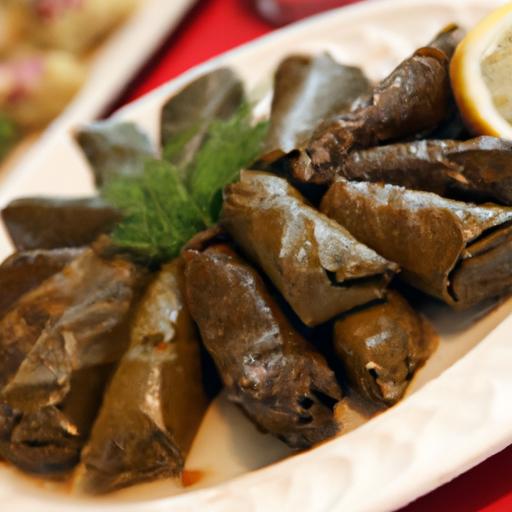

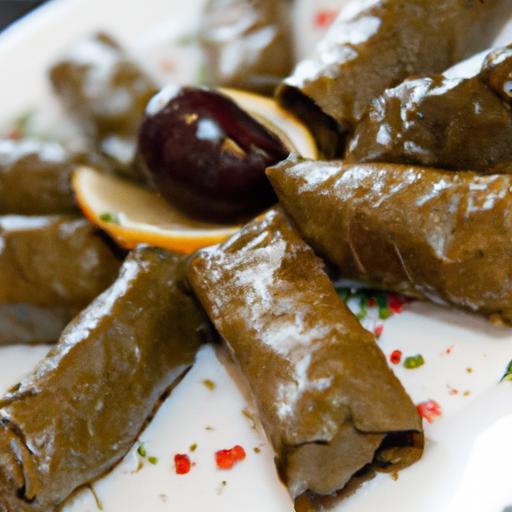
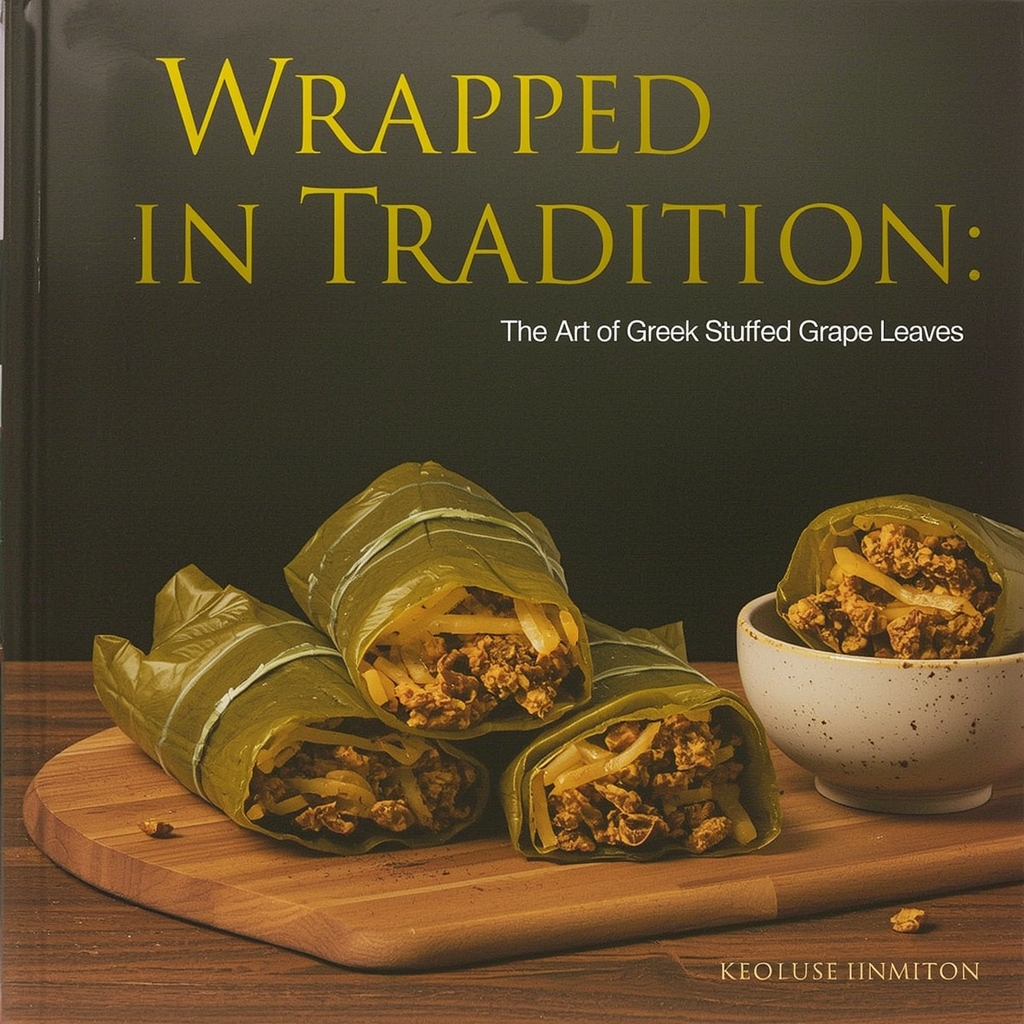
Beneath the golden sun and beside the shimmering Aegean, a culinary tradition has been lovingly folded and rolled for centuries-each grape leaf wrapped carrying the stories of generations. Greek stuffed grape leaves, or dolmades, are more than just a dish; they’re a vibrant tapestry of culture, history, and artisanal skill. In “Wrapped in Tradition: The Art of Greek stuffed Grape Leaves,” we unravel the delicate layers of this beloved Mediterranean delight, exploring the rituals behind its preparation, the variations that dance from region to region, and the timeless flavors that continue to bring families together around the table. Join us as we journey into the heart of a legacy wrapped in tender leaves and bursting wiht heritage.
Origins and Cultural significance of Greek Stuffed Grape Leaves
Wrapped in Tradition: The Art of Greek Stuffed Grape Leaves celebrates one of Greece’s most cherished dishes-dolmades. rooted deeply in centuries-old Mediterranean culinary practices, these delicate parcels tell stories of family gatherings, celebrations, and regional pride. originating from the Byzantine Empire and influenced by Ottoman culinary traditions, dolmades have become a symbol of Greek hospitality and ingenuity. Each bite carries the essence of sun-soaked vineyards and the labor of hands that carefully rolled these edible treasures for generations.
More than just food, dolmades embody the Greek concept of philotimo: a love and respect for tradition and community. They are frequently enough enjoyed during holidays, shared on mezze platters, or served at warm dinner tables. Understanding their origins enhances the recognition of each perfectly wrapped leaf, emphasizing not only taste but the cultural ritual behind it.
Prep and Cook Time
- Prep Time: 45 minutes
- Cook Time: 1 hour
- Total Time: 1 hour 45 minutes
Yield
Approximately 30 dolmades (serves 6 as an appetizer or 4 as a main course)
Difficulty Level
Medium – Requires patience and attention to wrapping technique
Essential Ingredients and Flavour Profiles That Define Authentic Dolmades
the magic behind perfectly authentic dolmades lies in the harmony of fresh,luminous,and earthy flavors. At the core are tender grape leaves, meticulously selected for pliability and pickled lightly to add a subtle tang. The stuffing is a fragrant blend of long-grain rice, aromatic fresh herbs like dill, mint, and parsley, and savory notes from scallions and onions. A squeeze of fresh lemon juice and a drizzle of extra virgin olive oil elevate the filling with brightness and richness.
Many regional versions include ground lamb or beef, but the classic vegetarian dolma emphasizes the fresh herbs and lemon’s tartness balanced with olive oil’s smoothness. The result is a symphony of contrasts: tartness meets richness,softness meets slight chewiness,and freshness complements a hint of earthiness.
Ingredients
- 1 jar (about 16 oz) grape leaves in brine, rinsed and drained
- 1 cup long-grain white rice, rinsed until water runs clear
- 2 tbsp extra virgin olive oil, plus more for drizzling
- 1 large onion, finely chopped
- 3 scallions, thinly sliced
- 1 cup fresh parsley, chopped
- 1/2 cup fresh dill, chopped
- 1/4 cup fresh mint, chopped
- juice of 2 lemons, plus wedges for serving
- 1 tsp sea salt
- 1/2 tsp freshly cracked black pepper
- 1/2 tsp ground cinnamon (optional)
- 1 cup vegetable broth or water
Step-by-Step Techniques for Perfectly Wrapped Grape Leaves Every Time
- Prepare your workspace: Open and carefully separate the grape leaves, blotting them gently with paper towels to remove excess moisture. Lay one leaf shiny side down, stem end toward you.
- Fill with stuffing: Place about 1 tablespoon of the rice-herb mixture near the stem end, spreading it evenly but leaving space to fold.
- fold methodically: Fold the stem end over the filling, then fold both sides inward tightly around the rice.
- Roll firmly but gently: Roll the leaf upward,keeping the filling compact and the leaf intact,creating a neat,cigar-like shape around 2 inches long.
- Layer in pot: Line the bottom of a heavy saucepan with reserved or torn grape leaves to prevent sticking. Arrange rolled dolmades seam-side down, packing them snugly in tight layers.
- Moist cooking: Pour vegetable broth and lemon juice over the dolmades until almost covered. Place a heatproof plate on top to keep them submerged.
- Simmer slowly: Cover and cook on low heat for about 50-60 minutes, until rice is tender and leaves are soft but not mushy.
- Cool slightly before serving: Let dolmades rest for 10 minutes after cooking for flavors to meld and easier handling.
Tips for Success
- Choose fresh or tender jarred grape leaves: Leaves that are torn or too thick are tough to roll and less pleasant in texture.
- Keep rolls tight but avoid tearing: Overfilling causes bursting during cooking, too little makes them dry.
- Use a heavy-bottomed pot: This ensures even heat and prevents burning during simmer.
- Adjust lemon juice to taste: The bright acidity is signature; add more for a zesty finish or less if preferred mild.
- Make ahead: Dolmades taste even better the next day; store covered in the refrigerator for up to 3 days.
Serving Suggestions and Pairings to Elevate Your Dolmades Experience
Dolmades shine as a centerpiece of a mezze platter or as a refined appetizer. Serve them chilled or warm with spoonfuls of creamy Greek yogurt or tzatziki for a cool, tangy contrast.Garnish with fresh lemon wedges and a sprinkle of chopped herbs to brighten the plate visually and aromatically.
Pair with a crisp,mineral-forward white wine such as Assyrtiko or a light rosé for an authentic Greek experience. Add toasted pita bread, olives, and slices of ripe tomatoes drizzled with olive oil to round out a Mediterranean feast.
Discover more conventional mezze recipes for perfect holiday entertaining.
| Nutrient | Per Serving (5 dolmades) |
|---|---|
| Calories | 180 kcal |
| Protein | 4 g |
| Carbohydrates | 30 g |
| Fat | 5 g |
Learn more about the history of dolmades from Britannica.

Q&A
Q&A: Wrapped in Tradition – The Art of Greek Stuffed Grape Leaves
Q1: What are Greek stuffed grape leaves, and why are they notable in Greek cuisine?
A1: Greek stuffed grape leaves, known as dolmades or dolmadakia, are tender grape leaves enveloping a flavorful filling of rice, herbs, and sometimes ground meat. More than just a dish, they are a culinary emblem woven into the fabric of Greek tradition, representing hospitality, family gatherings, and the timeless connection between the land and its people.
Q2: How did the tradition of stuffing grape leaves begin in Greece?
A2: The art of stuffing grape leaves dates back centuries,tracing influences from ancient times throughout the Mediterranean and Near East. Greeks embraced and perfected this practice, infusing local herbs and spices, turning a humble leaf into a vessel of culture. It was a practical way to use every part of the grapevine and to create nourishing, shareable food from simple, available ingredients.
Q3: What makes the preparation of stuffed grape leaves so special?
A3: The preparation is a delicate dance of patience and precision. Each grape leaf must be tender enough to roll without tearing yet robust enough to hold the filling. The filling is a harmonious blend of rice,fresh herbs like dill and mint,onions,lemon juice,and occasionally minced meat-all wrapped carefully by hand. Slow simmering in lemon-infused broth transforms these parcels into a melt-in-your-mouth delight honoring both craft and tradition.
Q4: Are there regional variations of stuffed grape leaves within Greece?
A4: Absolutely! In northern Greece, you might find richer, meat-filled versions, while in island regions, vegetarian fillings are preferred-bursting with herbs and aromatic spices. Some recipes incorporate pine nuts or currants for a sweet balance, showcasing the culinary diversity captured in this singular dish.
Q5: How are stuffed grape leaves typically served and enjoyed?
A5: Traditionally, dolmades are served cold or at room temperature, frequently enough accompanied by a generous drizzle of olive oil and a refreshing side of tzatziki or a wedge of lemon. They make an essential part of the meze experience-small plates shared among friends and family, celebrating togetherness and the joys of communal dining.
Q6: Can stuffed grape leaves be made vegan or gluten-free?
A6: Yes! Classic vegetarian dolmades are naturally vegan and gluten-free, relying on rice, herbs, and grape leaves. For gluten-free diets, it’s simply a matter of ensuring rice or any added ingredients are free from gluten contamination. Their versatility makes them accessible and beloved by many.
Q7: Why has the tradition of Greek stuffed grape leaves endured for so long?
A7: Because they embody more than taste-they are edible stories. Each bite whispers of vineyards kissed by the Mediterranean sun,of generations who gathered to nurture both land and family,and of the timeless beauty in simple,well-crafted food. They connect past and present, preserving heritage patch by patch, leaf by leaf.
Q8: How can someone new to Greek cuisine best appreciate the art of stuffed grape leaves?
A8: Approach them with curiosity and care. Try them in a traditional taverna were hand-rolling transforms the humble leaf into art, or attempt homemade versions to feel the meditative rhythm of their preparation.Savor slowly, letting the layers of herbaceous aroma, tangy lemon, and tender texture transport you to sunlit Greek tables-where food and tradition wrap seamlessly together.
Final Thoughts
As we unfold the delicate layers of Greek stuffed grape leaves, or dolmades, we uncover more than just a recipe – we discover a tapestry woven from centuries of tradition, community, and culinary artistry. Each tender leaf, lovingly wrapped around a flavorful filling, tells a story of heritage passed down through generations, uniting past and present in a single bite. Whether enjoyed at a festive gathering or savored in quiet reflection, these humble parcels continue to embody the spirit of Greek culture: simple ingredients transformed by time, skill, and heart. In embracing the art of dolmades, we don’t just celebrate a dish; we honor a living tradition that invites us all to savor life’s rich, shared flavors.