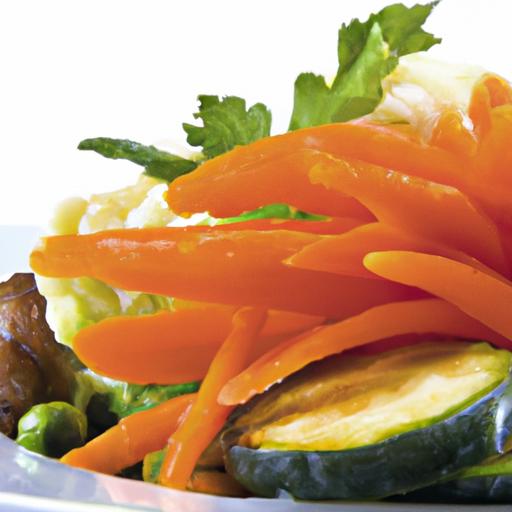

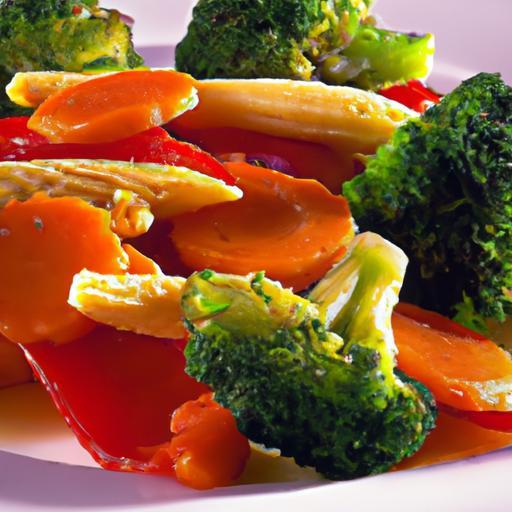
There’s a quiet magic in the kitchen when vegetables meet steam-a gentle dance of heat and moisture that transforms humble produce into vibrant, tender delights bursting with flavour and nutrients. Mastering the art of steaming vegetables is not just about cooking; it’s about unlocking the true essence of fresh ingredients in the simplest,healthiest way possible. Whether you’re a seasoned cook or a curious beginner, this guide will whisk you through the elegant simplicity of steaming, revealing tips and techniques to elevate your meals with every gentle puff of steam. Let’s embark on this culinary journey where clean, crisp, and colorful vegetables take center stage, proving that sometimes, the easiest methods yield the most extraordinary results.
Choosing the Perfect Vegetables for Steaming Excellence
Mastering the art of steaming vegetables begins with selecting the freshest and most vibrant produce. Steaming allows the natural colors,textures,and flavors of vegetables to shine while preserving vital nutrients that boiling or roasting may diminish.Look for tender-crisp vegetables that can stand the gentle heat without becoming mushy-think shining green broccoli florets, snap peas bursting with sweetness, tender baby carrots, earthy asparagus tips, and tender cauliflower florets. When shopping, opt for seasonal picks, as their freshness maximizes both taste and nutrient retention.
Unlocking Nutritional Benefits Through Proper Steaming Techniques
Steaming vegetables is not only a simple cooking method but a powerful way to protect vitamins and minerals frequently enough lost with other techniques. Unlike boiling,where nutrients leach into water,steaming uses steam’s heat to gently cook without direct water contact,locking in antioxidants,fiber,and water-soluble vitamins like vitamin C and folate. To ensure your steamed vegetables are nutrient-rich, avoid overcooking. Keep a watchful eye on texture-vegetables should be fork-tender yet still vibrant and slightly crisp. Experiment with steaming times based on vegetable density; leafy greens may take just 2 to 3 minutes, while root vegetables might need 8 to 10 minutes.
Essential tools and Tips to Elevate Your steaming game
Having the right equipment can effortlessly elevate your steaming experience. A sturdy steamer basket that fits snugly into your pot is fundamental, allowing steam to circulate around each vegetable. alternatively, bamboo steamers stack nicely for multi-level steaming, perfect for batches or variety. A glass lid helps monitor progress without releasing heat, while a timer prevents guesswork. Another pro tip: add a splash of lemon juice or a pinch of salt to the steaming water to subtly enhance the vegetable’s natural flavor. For an even more aromatic steam, toss herbs or aromatics like garlic cloves or ginger slices directly into the water basin.
Flavor Infusions and Serving Suggestions for Steamed vegetables
Once perfectly steamed, your vegetables serve as a blank canvas ripe for creative flavor boosts. Consider drizzling with a vibrant lemon-tahini sauce, a sprinkle of toasted sesame seeds, or a fragrant pesto made with fresh basil and pine nuts. A drizzle of infused olive oil-think garlic or chili-lays a luxurious richness across the dish. Fresh herbs like chopped dill, parsley, or cilantro instantly uplift. Don’t shy away from a dash of flaky sea salt and freshly cracked black pepper to finish. Present them on rustic wooden boards or bright ceramic plates that highlight the natural hues. For a satisfying crunch, add toasted nuts or seeds just before serving.
Prep and Cook Time
- Readiness: 10 minutes
- Cooking: 8-12 minutes (depending on vegetables)
- total Time: 20 minutes
Yield
Serves 4 as a side dish
Difficulty Level
Easy
Ingredients
- 1 cup broccoli florets, trimmed
- 1 cup cauliflower florets, cut into bite-sized pieces
- 1 cup baby carrots, peeled
- 8 asparagus spears, trimmed
- 1 cup snap peas, strings removed
- 2 tbsp water (for steaming)
- 1 tbsp extra virgin olive oil
- 1 tsp lemon zest
- Freshly cracked black pepper, to taste
- Flaky sea salt, to taste
- Optional: toasted sesame seeds or chopped fresh herbs for garnish
Instructions
- Prepare your vegetables: Rinse all vegetables thoroughly under cold water and pat dry. Trim and cut into uniform sizes to ensure even steaming.
- Set up your steamer: Fill a medium pot with 2 tablespoons of water.Insert your steamer basket, making sure the water doesn’t touch the vegetables.
- Bring water to a simmer: Cover the pot with a lid and heat over medium-high until you see gentle steam.
- Add vegetables: Place the broccoli, cauliflower, carrots, asparagus, and snap peas in the steamer basket. Cover immediately.
- Steam appropriately: Steam denser vegetables like carrots and cauliflower for 8-10 minutes, while broccoli and asparagus will take closer to 6-8 minutes. Snap peas require only 2-3 minutes. Use a fork to gently test for tenderness.
- Remove and season: Carefully transfer steamed vegetables to a warm serving bowl. Drizzle with olive oil and lemon zest, then gently toss to coat.
- Finish and serve: Season with flaky sea salt and freshly cracked black pepper. Garnish with toasted sesame seeds or fresh herbs if desired.Serve immediately for best texture and flavor.
Chef’s Notes
- Vegetable substitutions: Feel free to incorporate zucchini,green beans,or Brussels sprouts based on season and preference.
- Steaming tips: Avoid over-steaming to maintain vibrant color and crunch. If unsure, check vegetables 1-2 minutes before the suggested time.
- Make-ahead: Steamed vegetables keep well refrigerated in an airtight container for up to 2 days. Reheat gently over low heat or in a microwave with a splash of water to restore moisture.
- Flavor variations: Try finishing with a sprinkle of smoked paprika or a splash of soy sauce for an umami boost.
- Steaming vessel choice: Prefer a minimalist approach? A heat-safe metal colander over a pot works well in a pinch.
Serving Suggestions
Present your steamed vegetables as an elegant side to grilled salmon or herb-roasted chicken. For a light vegetarian meal, toss them with cooked quinoa and a generous dollop of hummus. Garnish with lemon wedges and fresh herbs to add visual appeal and bright notes. For a unique twist, create a vibrant salad by chilling the steamed vegetables and mixing with a tangy vinaigrette, chopped nuts, and crumbled feta cheese. Serve on colorful platters or rustic bowls to accentuate the freshness and colors, making this healthy dish truly irresistible.
| Nutrient | Amount per Serving |
|---|---|
| Calories | 85 kcal |
| Protein | 4 g |
| Carbohydrates | 15 g |
| Fat | 4 g |
| fiber | 5 g |

For more culinary inspiration, explore our guide on Healthy Vegetable Preparations. To deepen your understanding of nutritional benefits, the Harvard School of Public Health offers an excellent resource on vegetable nutrient retention through steaming.
Q&A
Q&A: Mastering the Art of Steaming Vegetables – A simple Guide
Q1: Why should I steam vegetables instead of boiling or frying them?
A1: Steaming is like giving your veggies a gentle spa treatment. Unlike boiling, which can leach nutrients into the water, or frying, which adds extra fats, steaming preserves the vibrant color, crisp texture, and most importantly, the vitamins and minerals. It’s a health-conscious way to elevate your greens without sacrificing flavor.
Q2: Do I need any special equipment to steam vegetables?
A2: Not necessarily! While you can invest in nifty steamers-bamboo baskets, metal inserts, or electric models-a simple metal colander or sieve that fits inside a pot with a lid works wonders. The key is to keep the veggies elevated above simmering water so the steam can do its magic.
Q3: How long does it usually take to steam vegetables?
A3: Timing is a rhythmic dance with each vegetable’s texture and size. leafy greens like spinach or kale take just 2-3 minutes. Tender veggies like broccoli or green beans usually need 5-7 minutes. Root vegetables such as carrots or potatoes? They prefer a longer, patient steam of about 10-15 minutes. the goal is tender, not mushy.
Q4: Should I season vegetables before or after steaming?
A4: Think of seasoning as the grand finale. It’s best to steam first to lock in natural flavors and nutrients, then dress them up. A sprinkle of sea salt, a dash of cracked pepper, a squeeze of lemon, or a drizzle of olive oil can transform humble steamed veggies into a gourmet delight.
Q5: Can steaming vegetables impact their taste?
A5: Absolutely-in the best way possible.Steaming enhances the natural sweetness and earthy flavors by gently coaxing the veggies to tender perfection. Unlike boiling, which washes out flavor, steaming concentrates it, leading to a more vibrant bite.
Q6: How can I prevent my vegetables from overcooking during steaming?
A6: Think of steaming as an art of patience and timing. Keep a close eye, and use a fork to test tenderness every couple of minutes once the clock hits the halfway point. Also, cutting vegetables into uniform pieces ensures even cooking. As soon as they reach your desired doneness, remove them promptly to avoid the dreaded mush.
Q7: Can I steam frozen vegetables?
A7: Definitely! Frozen veggies are often flash-frozen at peak freshness, locking in nutrients and flavor. Just add an extra minute or two to your steaming time as they start out cold and firm. No need to thaw-pop them straight into your steamer and enjoy a quick, wholesome side.
Q8: Are there any tips for adding extra flavor while steaming?
A8: Yes! For a subtle aromatic boost, toss some fresh herbs like thyme or rosemary into the steaming water, or add a lemon slice or garlic cloves. The steam will carry these hints of fragrance right into your vegetables, making every bite more exciting.
Q9: What vegetables are best suited for steaming?
A9: The list is deliciously long: broccoli, carrots, cauliflower, asparagus, green beans, peas, leafy greens, zucchini, and even mushrooms thrive in a steamer. The key is experimenting to find your favorites and mastering their ideal steaming times.
Q10: How can I incorporate steamed vegetables into my meals creatively?
A10: The sky’s the limit! Toss steamed veggies into salads, blend into creamy purees for soups, layer into grain bowls, fold into omelets, or simply plate them as vibrant sides drizzled with your favorite dressings. Steaming is the versatile foundation-your creativity is the finishing touch.
Steaming vegetables isn’t just a cooking method; it’s a celebration of nature’s bounty in its purest, most nourishing form. With a bit of practice and these simple tips, you’ll soon be a steaming virtuoso, turning everyday produce into unforgettable dishes. Happy steaming!
final thoughts
Steaming vegetables may seem like a humble kitchen skill, but as you’ve discovered, it’s a transformative technique that elevates your meals with vibrant color, crisp texture, and a burst of pure, natural flavor. By mastering the art of steaming,you unlock a world where nutrition meets simplicity,preserving every nutrient and essence locked within your veggies. So next time you prep your greens, think beyond boiling or roasting-embrace the gentle whisper of steam and let your vegetables shine in their most wholesome, delicious form. With these simple steps under your belt, you’re well on your way to making every meal a celebration of freshness and health. Happy steaming!