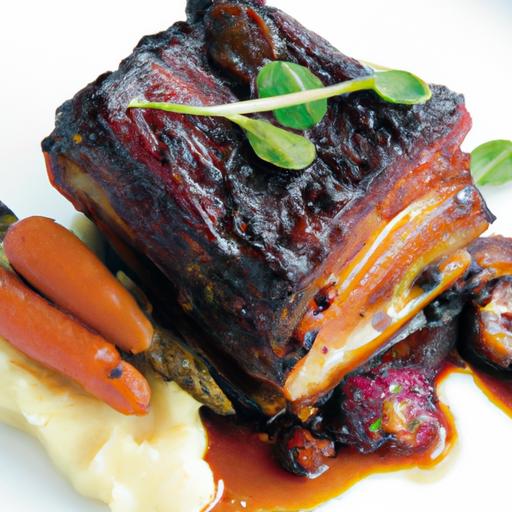

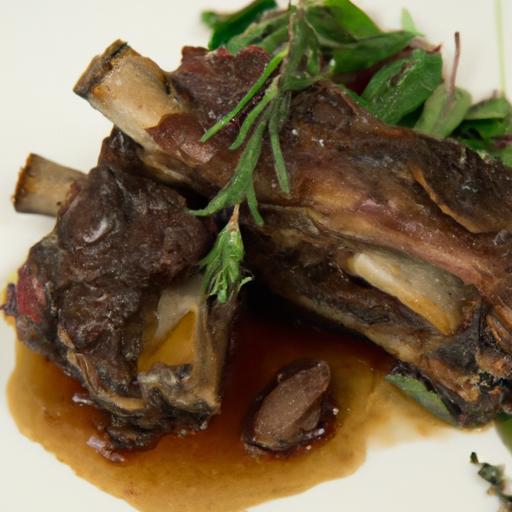
When it comes to achieving the ultimate tender, melt-in-your-mouth braised short ribs, fat is far from the villain it’s frequently enough made out to be. In fact, fat plays a starring role in building layers of rich flavor, succulence, and that luxurious mouthfeel every home cook and chef craves. From the glossy sheen that beckons your first bite to the unctuous depth that lingers long after, fat is the secret ingredient that transforms humble beef ribs into an unforgettable culinary experience. In this article, we’ll explore the flavorful magic of fat in braised short ribs – how it interacts with the meat, infuses the braising liquid, and ultimately elevates a classic dish to new heights of indulgence.
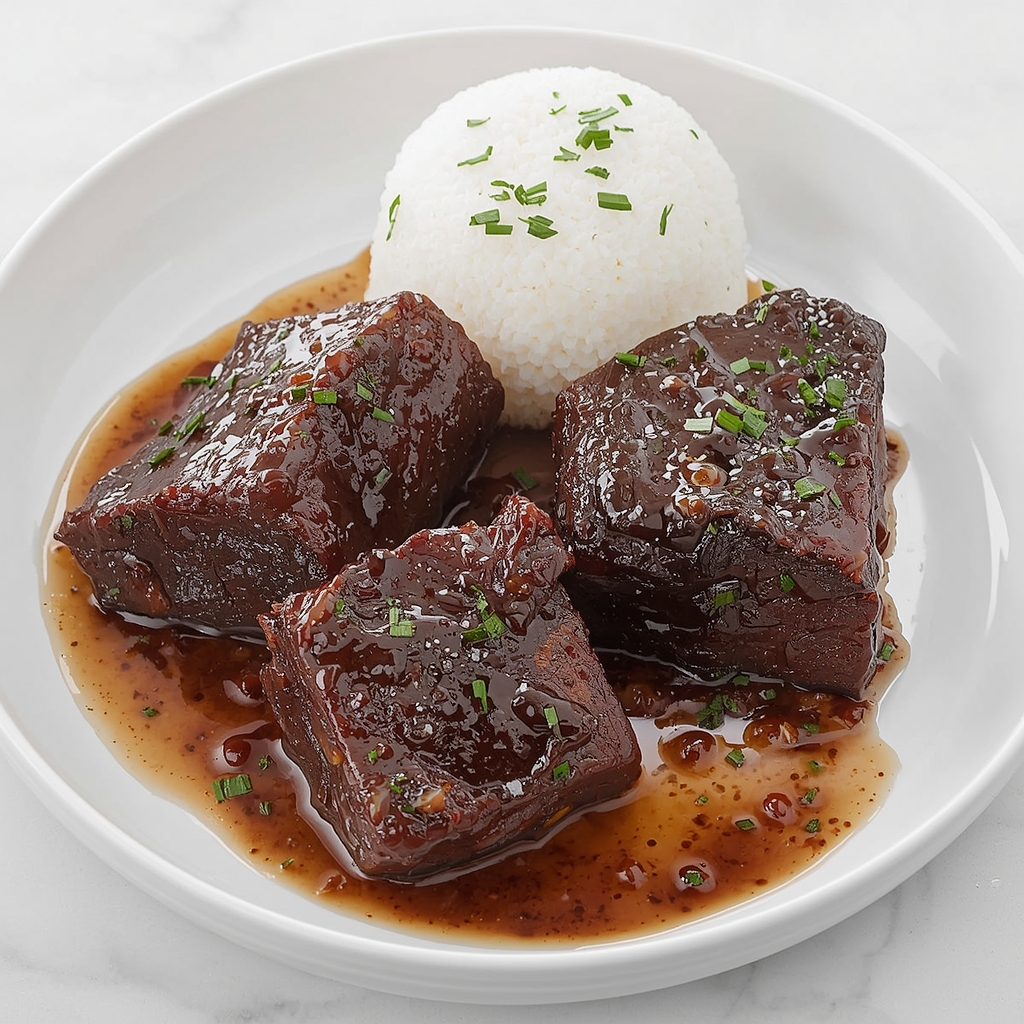
The Flavorful Role of Fat in Perfect Braised Short Ribs
The Flavorful Role of Fat in Perfect Braised Short Ribs unlocks an extraordinary depth of taste and texture that transforms this beloved comfort dish into an unforgettable culinary experience. From the luscious marbling inherent in the meat to the carefully chosen fats used during cooking, understanding fat’s chemistry will empower you to craft braised short ribs that are tender, juicy, and bursting with rich, layered flavors.
Prep and Cook Time
- Preparation: 20 minutes
- Cooking: 3 to 3½ hours
- Total Time: Approximately 3 hours 45 minutes
Yield
Serves 4 hearty portions
Difficulty Level
Medium – Perfect for intermediate home cooks eager to deepen their braising technique
The Flavorful Role of Fat in Perfect Braised Short Ribs: Ingredients
- 4 lbs bone-in beef short ribs, well-marbled
- 2 tablespoons vegetable oil or rendered beef fat (tallow) for searing
- 1 large yellow onion, sliced thin
- 3 cloves garlic, minced
- 2 large carrots, chopped into chunks
- 2 stalks celery, chopped
- 1 cup dry red wine
- 3 cups beef broth, preferably homemade or low-sodium
- 2 sprigs fresh thyme
- 1 sprig fresh rosemary
- 1 bay leaf
- 2 tablespoons tomato paste
- Sea salt and freshly ground black pepper, to taste
- 1 tablespoon unsalted butter (optional, for finishing)
Instructions
- Pat the short ribs dry with paper towels to ensure optimal browning – moisture is the enemy of a crisp sear.
- Season generously all over with sea salt and black pepper to build foundational flavor.
- Heat the vegetable oil or reserved beef fat in a heavy-bottomed Dutch oven over medium-high heat until shimmering.
- Sear the ribs in batches without overcrowding. Allow them to brown deeply – about 4-5 minutes per side. This Maillard reaction develops complex, savory notes. Set ribs aside on a plate.
- In the same pot, add onions, carrots, and celery. Cook until softened and beginning to caramelize,about 6-8 minutes,stirring frequently.
- Stir in the garlic and tomato paste, cooking for 1-2 minutes until fragrant and slightly darkened, which intensifies the umami profile.
- Pour in the red wine, scraping the bottom of the pan to deglaze and lift all those flavorful browned bits.
- Allow the wine to reduce by half, concentrating its richness and sweetness, roughly 8-10 minutes.
- Return the ribs to the pot and add beef broth along with thyme, rosemary, and bay leaf, ensuring the ribs are mostly submerged.
- Bring to a gentle simmer, then cover and transfer to a preheated oven at 325°F (160°C).
- Braise for 3 to 3½ hours until meat is tender and falling off the bone-fat will have rendered beautifully without greasiness, lending the meat unbelievable juiciness.
- Remove ribs carefully and tent with foil. Skim any excess fat from the surface of the braising liquid.
- optional: Stir in unsalted butter to the sauce for a glossy, silky finish that balances savory richness with velvety texture.
- Serve short ribs topped with the sauce and your favorite sides, garnished with fresh herbs for a pop of color and brightness.
Mastering The Flavorful Role of Fat in Perfect Braised Short Ribs: Tips for Success
- Choosing fat: Use rendered beef fat or neutral oils with a high smoke point to develop a deep sear without burning.
- Rendering fat perfectly: Low and slow in the oven ensures collagen breaks down and fat melts slowly, keeping meat moist but never greasy.
- Balancing seasoning: Salt penetrates as fat renders, so taste and adjust seasoning after braising to avoid oversalting.
- Make-ahead advantage: store braised short ribs overnight; flavors deepen and fat firms for easier removal of excess grease.
- Substitutions: For dairy-free, skip the butter finish and enrich the sauce with a splash of balsamic or a touch of anchovy paste for savory depth.
Serving Suggestions
Serve these rich short ribs on a creamy bed of mashed potatoes, polenta, or buttered egg noodles. Garnish with finely chopped fresh parsley or thyme to contrast the luscious sauce. A side of roasted root vegetables adds texture and earthiness, while crisp pickled vegetables provide an acidic counterpoint that cuts through the fat and balances each bite.

| nutrient | Per Serving |
|---|---|
| Calories | 650 kcal |
| Protein | 55 g |
| Carbohydrates | 10 g |
| Fat | 40 g |
For an in-depth exploration of beef cuts and best practices for braising, check out our Ultimate Guide to Beef Cuts. To learn more about the science behind the maillard reaction that makes searing so essential, visit this detailed article from Science magazine.
Q&A
Q&A: The Flavorful Role of Fat in Perfect Braised Short ribs
Q: why is fat so vital when braising short ribs?
A: Fat is the unsung hero of braised short ribs. It effectively works like a flavor-fountain,melting slowly during the long cooking process to infuse the meat and sauce with rich,luscious goodness. This molten magic not only deepens the taste but also ensures each bite is tender and juicy, creating that melt-in-your-mouth experience we crave.
Q: How does fat affect the texture of braised short ribs?
A: Think of fat as the silky fabric weaving through the fibers of the meat. as it renders down, it lubricates the muscle fibers, breaking them apart gently and evenly. this results in a tender, succulent texture that’s both satisfying and luxurious, without feeling greasy or heavy.
Q: Should I trim all the fat off before braising?
A: Absolutely not! While excess fat can be trimmed to avoid overwhelming richness, leaving a generous layer of fat and a bit of the marbling is essential. This fat acts as a flavor reservoir, slowly releasing its goodness into the dish as the ribs braise low and slow. Removing to much fat is like stripping away the soul of the ribs.
Q: Does the type of fat make a difference in flavor?
A: Without a doubt. Beef fat carries a distinct beefy, umami richness that’s hard to replicate. This specific flavor profile enhances the overall complexity of your braised ribs. Pork fat or butter will impart their own character, but when aiming for classic, deeply savory short ribs, beef fat is king.
Q: how do I balance fat with other ingredients in the braise?
A: Balance is key. The richness of fat pairs beautifully with acidic notes like wine, vinegar, or tomato, which cut through the heaviness and brighten the dish. Aromatics like garlic, herbs, and spices further build layers of flavor. Together, they create harmony – a braise that’s indulgent yet nuanced, never cloying.
Q: Can the rendered fat from braised short ribs be used afterward?
A: Absolutely! The rendered fat is treasure. You can skim it off for a velvety sauce base, use it to sauté vegetables, or even roast potatoes with a glossy, beefy tang. It’s an impromptu flavor bomb waiting to elevate your side dishes or finishing touches.
Q: Any tips to make the most of fat when braising short ribs?
A: Start by choosing well-marbled ribs with visible fat. Brown them well to develop a flavorful crust where the fat begins to melt and caramelize. Don’t rush the braising – low and slow is the mantra so the fat has time to render and mingle with the braising liquid. don’t be shy to taste and adjust seasoning; fat loves a bit of salt and acid to shine brightest.
In the world of braised short ribs, fat isn’t the villain-it’s the virtuoso. Embrace its colorful, silky role and you’re well on your way to a dish that’s as rich in flavor as it is in comfort.
To Wrap It Up
As the rich aroma of braised short ribs fills your kitchen,it’s clear that fat is far more than just a cooking component-it’s the unsung hero that transforms humble cuts into melt-in-your-mouth masterpieces. From lending silky texture to amplifying deep, complex flavors, fat weaves its magic throughout every tender bite. Understanding its flavorful role not only elevates your culinary craftsmanship but also invites you to appreciate the science behind the sweetness and succulence in each rib. So next time you savor that luscious dish, remember: it’s the artful presence of fat that turns short ribs from ordinary to unforgettable.