
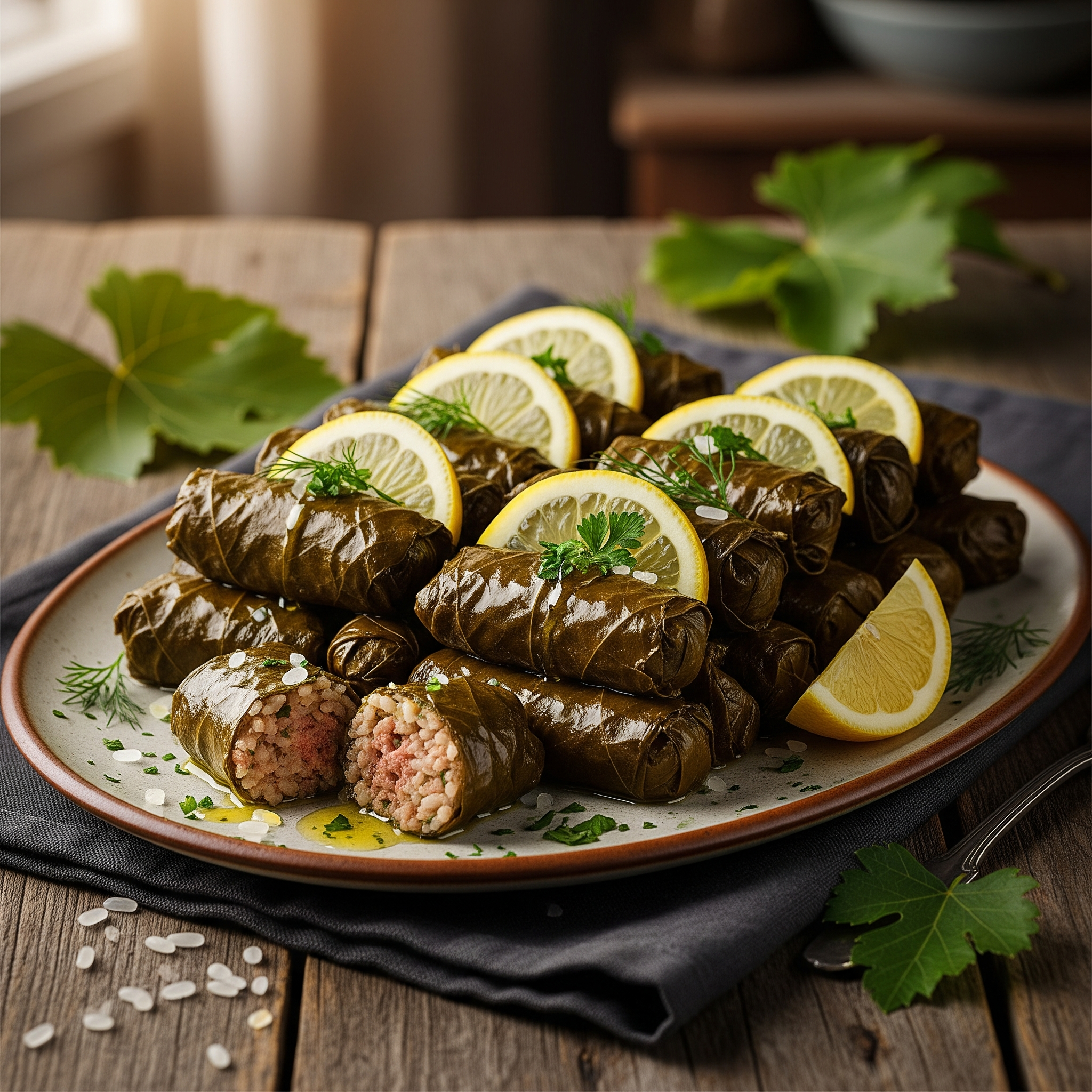
Nestled within the heart of Middle Eastern and Mediterranean kitchens lies a culinary treasure wrapped in history and flavor: stuffed grape leaves. These delicate parcels, known as dolmas or warak enab, are more than just a dish; they are edible stories, woven with threads of tradition, community, and artistry. From bustling markets to family gatherings, each fold of the tender grape leaf encases a symphony of ingredients and techniques passed down through generations. Join us as we unravel the captivating world of stuffed grape leaves, exploring their origins, cultural importance, and the meticulous craft that transforms humble leaves into a beloved emblem of heritage and taste.
Origins and Cultural Significance of Stuffed Grape Leaves
Wrapped in Tradition: The Art of Stuffed Grape Leaves invites you on a flavorful journey tracing back thousands of years to the Mediterranean and Middle Eastern regions where this dish is a beloved culinary heirloom. Known by many names—dolma, warak enab, or sarma—stuffed grape leaves symbolize hospitality, family, and celebration. These tender leaves are meticulously wrapped around savory fillings, reflecting a cultural mosaic of tastes shaped by history, local ingredients, and communal gatherings. For many, preparing stuffed grape leaves is not just cooking; it is a ritual steeped in connection and storytelling.
Prep and Cook time
- Readiness Time: 45 minutes
- cooking Time: 60 minutes
- Total Time: 1 hour 45 minutes
Yield
Serves 6-8 peopel as an appetizer or side dish.
Difficulty Level
Medium
Mastering the Perfect Filling: Ingredients and Flavor Pairings
- 1 ½ cups long-grain rice, rinsed and drained
- ½ pound ground lamb or beef (optional for vegetarian versions)
- 1 large onion, finely chopped
- 2 tablespoons pine nuts
- ¼ cup fresh parsley, chopped
- 2 tablespoons fresh mint, chopped
- 1 teaspoon ground allspice
- 1 teaspoon ground cinnamon
- Juice of 2 lemons
- Salt and freshly ground black pepper, to taste
- 1 cup olive oil
- 1 jar grape leaves (about 60 leaves), rinsed and stems trimmed
Step-by-Step Techniques for Rolling and Cooking with precision
- Prepare the Filling: In a sauté pan over medium heat, warm 3 tablespoons of olive oil. Add the finely chopped onion and cook until translucent, about 5 minutes, stirring often to avoid browning.
- Add Ground Meat (optional): Stir in ground lamb or beef and cook until browned and well crumbled, about 7 minutes.Drain excess fat if necessary.
- Combine with Rice and Spices: In a large bowl, mix the sautéed onion and meat with rinsed rice, pine nuts, parsley, mint, allspice, cinnamon, salt, and pepper. Add fresh lemon juice and ½ cup olive oil.Stir well to combine.
- Prepare Grape Leaves: Lay a grape leaf flat,shiny side down,stem end towards you. Place about 1 tablespoon of filling near the stem, spreading slightly but leaving space at edges.
- Roll the Leaf: Fold the stem end over the filling, then fold the sides inward snugly. Roll upward firmly but gently to avoid tearing, creating a compact cylinder about 1 inch thick.
- Layer the Pot: Line the bottom of a heavy saucepan with leftover grape leaves to prevent sticking and burning.
- Arrange Dolmas: place rolled grape leaves seam-side down in tight concentric circles in the pot, stacking more in layers if necessary.
- Weigh Down and Simmer: Place a heatproof plate on top of the dolmas to keep them compact. Pour remaining olive oil and enough water to cover halfway. Cover tightly and simmer gently for 50-60 minutes, until rice is tender and leaves are soft.
Tips for Serving and Preserving the authentic Taste at Home
- Allow the stuffed grape leaves to cool completely before serving; this lets flavors meld beautifully.
- Serve with a drizzle of fresh lemon juice and a side of creamy Greek yogurt or tzatziki for a refreshing balance.
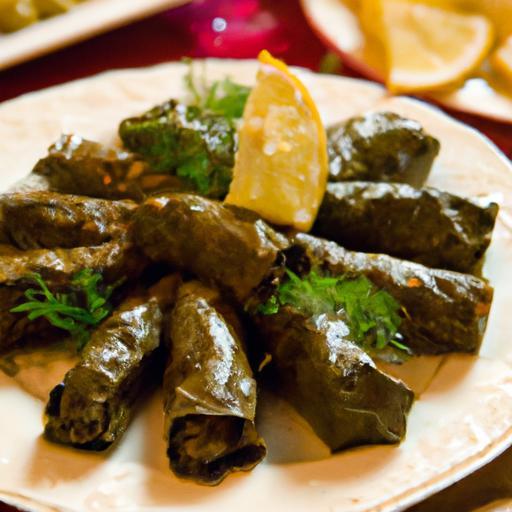
- Garnish with sprigs of fresh mint or parsley and thin slices of lemon for visual appeal and extra aroma.
- Leftovers keep well in an airtight container refrigerated for up to 4 days. Reheat gently or enjoy cold as a flavorful mezze.
- For long-term storage, freeze rolled but uncooked grape leaves; cook from frozen by adding extra simmering time.
Chef’s Notes: Tips for Success
- Leaf Preparation: If using fresh grape leaves,blanch them quickly in boiling water to soften and remove bitterness before rolling.
- Rice Variations: Short- or medium-grain rice works well but adjust liquid and cooking time accordingly for best texture.
- Flavor Adjustments: Add a pinch of cumin or sumac to the filling for subtle complexity, or swap herbs for dill to vary aromatic notes.
- Vegetarian Option: Simply omit meat and increase pine nuts and herbs for a shining,nutty filling.
Serving Suggestions
Arrange your stuffed grape leaves on a large platter, alternating with wedges of lemon and small bowls of yogurt or garlic sauce. Include a side of warm pita bread or a crisp cucumber-tomato salad to provide contrast in texture and temperature. This classic presentation not only honors the dish’s heritage but also elevates its place at any table.
| Nutrient | Per Serving |
|---|---|
| Calories | 180 kcal |
| Protein | 6 g |
| Carbohydrates | 22 g |
| Fat | 7 g |
Internal resource: For more Mediterranean classics, check out our guide to Mediterranean Dips and Spreads.
External reference: Learn about the cultural history of stuffed grape leaves at Encyclopaedia britannica.

Q&A
Q&A: Wrapped in Tradition – The Art of Stuffed Grape Leaves
Q: What are stuffed grape leaves, and why are they so beloved across cultures?
A: Stuffed grape leaves, often called dolmas or dolmades, are tender vine leaves wrapped around a savory filling-usually a blend of rice, herbs, and sometimes meat. This humble dish is a culinary jewel, cherished from the mediterranean to the middle East and beyond. its appeal lies not just in its flavor, but in the ritual of preparation, weaving together generations of tradition and cultural identity.
Q: Where did the tradition of stuffed grape leaves originate?
A: The exact origin is as rich and layered as the leaves themselves. Historians trace stuffed grape leaves back to ancient civilizations-Byzantine, Ottoman, and Persian kitchens all claimed versions of this dish. Its presence in cookbooks and street markets reveals a shared culinary language, evolving through trade and migration while preserving a heartwarming symbol of community and hospitality.
Q: What makes the grape leaves special in this art?
A: Grape leaves provide more than just a vessel-they impart a subtle, slightly tangy flavor that complements the fillings inside. Selecting tender, young leaves is crucial; they must be pliable enough to wrap without tearing yet sturdy enough to hold the filling during cooking. Frequently enough, the leaves are blanched or salted to soften, a technique perfected over centuries.
Q: How are stuffed grape leaves traditionally prepared?
A: The process is a labor of love. First,the rice is soaked and combined with fragrant herbs like dill,mint,and parsley,sometimes enriched with pine nuts or currants. Meat fillings bring an added richness.Each leaf is carefully laid flat, a small spoonful of filling is placed at its base, and then it’s folded and rolled into a neat, tight bundle-like tucking a secret inside nature’s own parchment. The rolls are then packed snugly in a pot, often layered with lemon slices, and simmered gently until tender.
Q: Is there symbolism behind stuffed grape leaves?
A: Absolutely. Beyond nourishment, stuffed grape leaves symbolize warmth, generosity, and the intertwining of past and present. Serving dolmas can be a gesture of friendship, a centerpiece for gatherings, or a festive offering during special occasions. Each bite carries stories of harvest, family, and the ancient rhythms of the earth.
Q: How has the dish evolved in modern kitchens?
A: Today, chefs experiment with diverse fillings-from vegetarian quinoa blends to spiced lamb or even seafood-transforming tradition with creativity. Yet, many home cooks hold fast to ancestral recipes, honoring the ritual while inviting new flavors to mingle. Whether plated elegantly or shared family-style, stuffed grape leaves continue to bridge cultures and generations.
Q: Can stuffed grape leaves be enjoyed by everyone?
A: Indeed! They are naturally gluten-free and can be crafted vegan or vegetarian with ease. Their versatility allows them to fit into varied dietary preferences without losing the essence of their heritage. Serving them with tangy yogurt or vibrant sauces enhances the experience, inviting all to partake in this timeless culinary embrace.
Q: What is the best way to savor stuffed grape leaves?
A: Enjoy them warm or at room temperature, accompanied by a squeeze of fresh lemon and a sprinkle of herbs. Pair them with hearty bread, crisp salads, or as part of a mezze spread. The beauty lies in their simplicity-a perfectly balanced harmony of textures and tastes that celebrates nature and tradition rolled into one.
The Way Forward
As we peel back the layers of grape leaves folded tenderly around fragrant fillings, we uncover more than just a dish; we embrace a tapestry woven from centuries of tradition, culture, and communal celebration. Stuffed grape leaves are not merely food; they are edible stories passed hand to hand, family to family, preserving heritage in every bite.