
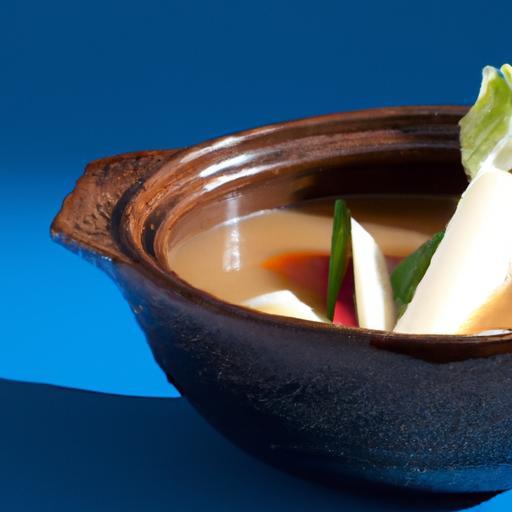
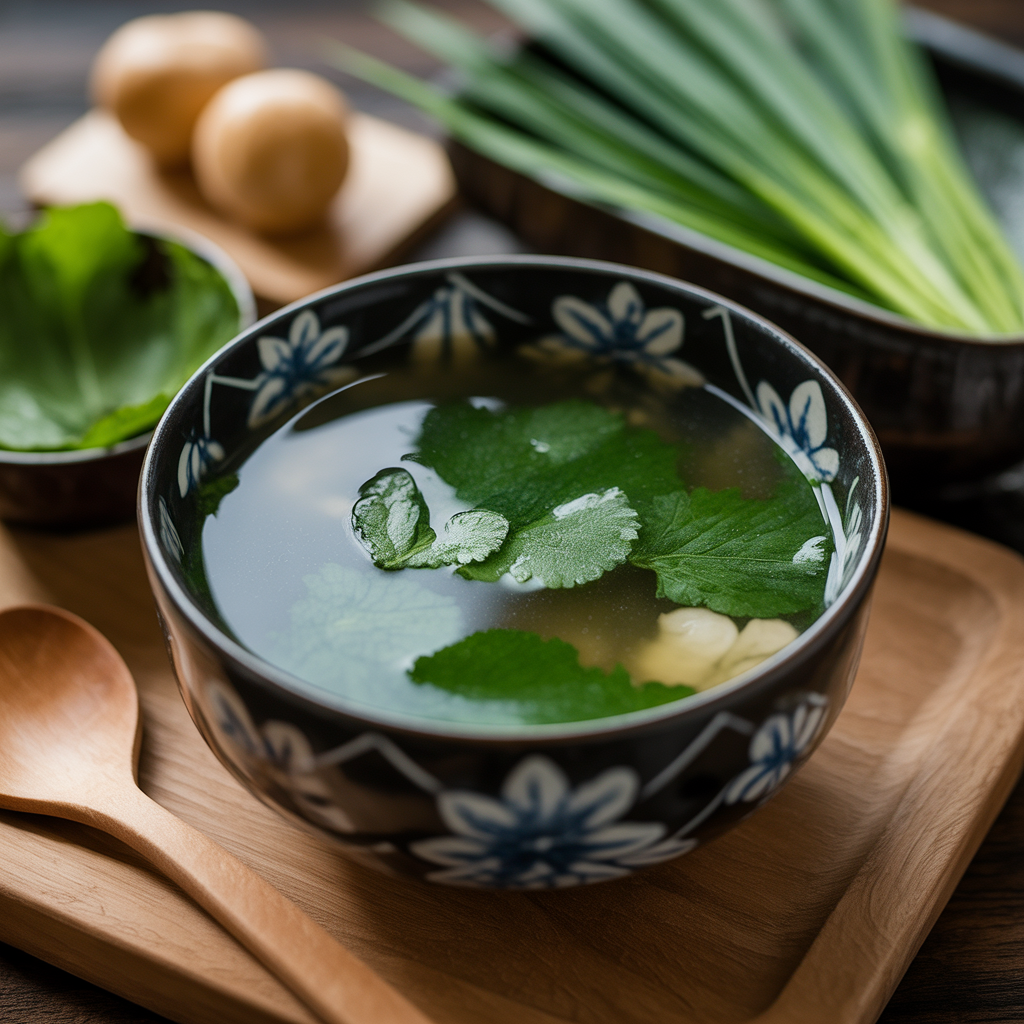
There’s a comforting warmth in every bowl of miso soup-a gentle umami embrace that has soothed taste buds and souls for centuries. but if you’re navigating the world of gluten sensitivity or celiac disease, that humble serving might bring more questions than comfort. Is miso soup a safe choice? Could hidden gluten be lurking in its depths? Before you lift that spoon, let’s dive into the fascinating story behind miso soup and unravel what you truly need to know about gluten in your favorite broth. Whether you’re a devoted foodie or simply gluten-curious, understanding these nuances will help ensure your next sip is as nourishing as it is worry-free.
Miso Soup and gluten: A comforting bowl of miso soup is a cherished staple in Japanese cuisine, renowned for its umami-rich broth and delicate balance of flavors.However, for those mindful of gluten intake, understanding the ingredients is crucial to savoring this classic without worries. The subtle complexity of miso soup comes from various components,each with its own gluten considerations that can sneakily influence the dish’s safety and authenticity.
Prep and Cook Time
- Prep Time: 10 minutes
- Cook Time: 15 minutes
- Total Time: 25 minutes
Yield
- Serves 4 comfortably
Difficulty Level
- Easy
ingredients
- 4 cups gluten-free dashi stock (homemade or store-bought)
- 3 tablespoons gluten-free miso paste (check label carefully)
- 1/2 cup firm tofu,cut into 1/2-inch cubes
- 2 tablespoons thinly sliced green onions (scallions)
- 1/4 cup wakame seaweed,soaked and drained
- Optional: 1 teaspoon tamari (gluten-free soy sauce) for added depth
Instructions
- Prepare the dashi: Use certified gluten-free dashi granules or prepare homemade dashi by simmering kombu (kelp) and bonito flakes,ensuring no wheat-based additives sneak in.Strain and keep warm.
- Soak wakame: Place dried wakame in cold water for 5-10 minutes until rehydrated, then drain thoroughly. This adds that classic ocean breeze aroma and texture.
- Heat the broth gently: Warm the dashi over medium heat but avoid boiling once the miso is added-high heat can diminish the miso’s delicate flavor and beneficial probiotics.
- Dissolve miso paste: In a small bowl, ladle 1/2 cup of the warm dashi and whisk in the gluten-free miso paste until smooth. Returning miso in paste form directly to the pot risks clumping.
- Combine soup: Pour the miso mixture back into the pot with the rest of the dashi. Stir in tofu cubes and wakame gently, allowing warmth to infuse but not boiling.
- Final touch: Just before serving, sprinkle green onions and, if desired, a splash of tamari for a deeper, savory nuance-confirming it’s gluten-free is vital.
Chef’s Notes
- Traditional miso varieties often contain barley or wheat; always opt for shiro (white) miso or mugi-free blends labeled gluten-free to avoid hidden gluten.
- Dashi can be a hidden source of gluten if commercially prepared with soy sauce or other additives-making your own or selecting verified gluten-free brands is safest.
- To deepen flavor without gluten, try adding a touch of dried shiitake mushrooms into your dashi stock for earthy umami.
- If preparing ahead, keep miso soup refrigerated and add fresh miso just before reheating to preserve flavor integrity and probiotic benefits.
- For a protein boost, add sliced shiitake mushrooms or thin ribbons of cooked chicken, ensuring all additional ingredients are gluten-free.
Serving Suggestions
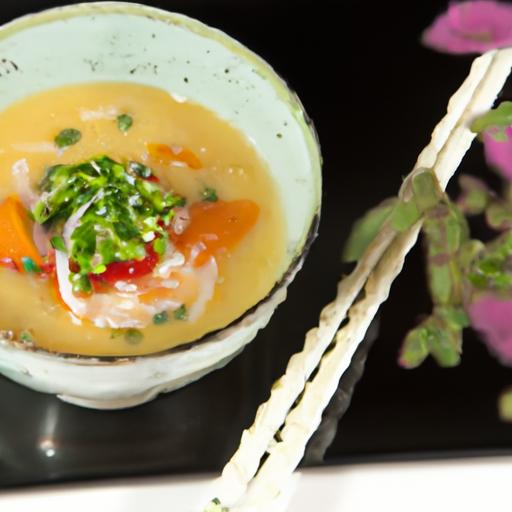
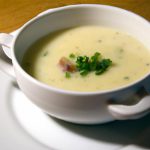
Miso soup is traditionally served as an appetizer but pairs beautifully with steamed rice and grilled fish for a balanced meal. Present your soup in rustic ceramic bowls with a delicate garnish of sliced green onions and a few sprigs of fresh mitsuba or parsley, adding a vibrant splash of green that invites the first warm sip. Accompany with gluten-free crispy tempura vegetables or a seaweed salad for a complete sensory experience.

| Nutrient | Per Serving |
|---|---|
| Calories | 75 kcal |
| Protein | 6 g |
| Carbohydrates | 5 g |
| Fat | 2 g |
For more on gluten-free Japanese cuisine, explore our Gluten-Free Japanese Recipes. To deepen your understanding of gluten labeling in fermented foods, consult this Celiac Disease Foundation resource.
Q&A
Q&A: Miso Soup and Gluten – What You Need to Know Before Sipping
Q1: What exactly is miso soup?
A: Miso soup is a traditional Japanese broth made primarily from dashi (a savory broth often made from seaweed and dried fish) and miso paste, which is fermented soybean paste. It’s a comforting, umami-rich staple in many Japanese meals, loved for its depth of flavor and nourishing qualities.
Q2: Is miso soup naturally gluten-free?
A: Not always. The core ingredients-fermented soybeans and dashi-are naturally gluten-free. Tho, the devil is in the details. Some miso pastes contain barley or wheat strains, which introduce gluten. Additionally, soy sauce or other flavoring agents common in certain recipes may contain gluten. So, miso soup isn’t automatically safe for those avoiding gluten.
Q3: How can I tell if the miso paste contains gluten?
A: Always check the label! Miso paste can be made from soybeans alone (gluten-free) or blended with grains like barley or wheat (contains gluten). Look for keywords such as “barley miso” or “wheat miso” on packaging. Certified gluten-free labels are your best friend if you wont to steer clear of gluten.
Q4: What about the dashi broth-does it have gluten?
A: Traditional dashi made from kombu (seaweed) and katsuobushi (bonito flakes) is gluten-free. But some commercial dashi powders or instant broths might contain gluten or soy sauce powder, so they deserve a label check as well.
Q5: Can I enjoy miso soup if I have celiac disease or gluten sensitivity?
A: Absolutely-if you take precautions. Opt for miso made from 100% soybeans or rice, and use gluten-free dashi (or make your own from kombu and bonito flakes). Many specialty stores and health food shops offer gluten-free miso options.
Q6: Are there tasty gluten-free alternatives to traditional miso soup?
A: Certainly! You can experiment by substituting traditional miso with chickpea or lentil-based miso pastes. Homemade broths using gluten-free ingredients enhance safety and flavor.Plus, tossing in fresh veggies, tofu, or seaweed keeps the soup vibrant and healthful.
Q7: Why should gluten-sensitive folks be notably careful with miso soup?
A: As miso soup is frequently enough served as an appetizer or side in restaurants, cross-contamination and hidden gluten sources are common risks. Without vigilance, a simple bowl of soup can inadvertently cause symptoms. Reading labels when buying packaged miso and asking questions when dining out can save you discomfort.
Q8: what’s the bottom line about miso soup and gluten?
A: Miso soup can be a wholesome, gluten-free delight-but not all miso or broths are created equal. Knowledge is power: scrutinize ingredient lists, choose gluten-free certified products, and feel empowered to enjoy this ancient soup without worry. Sip mindfully and savor the umami without the gluten gamble!
To Wrap It Up
As the comforting steam of miso soup rises from your bowl, it’s easy to forget the complexity behind its simple appearance. Whether you’re navigating gluten sensitivities or simply curious about what’s truly in your broth, understanding the ingredients and preparation methods can turn every sip into a mindful experience. From the fermented magic of miso paste to the subtle nuances of added soy sauce or barley, knowing what lurks beneath the surface empowers you to enjoy this ancient comfort food without worry. So next time you lift that spoon, savor not just the flavor, but the knowledge that lets you indulge safely and confidently-because enjoying miso soup should always be a warm, worry-free moment.