

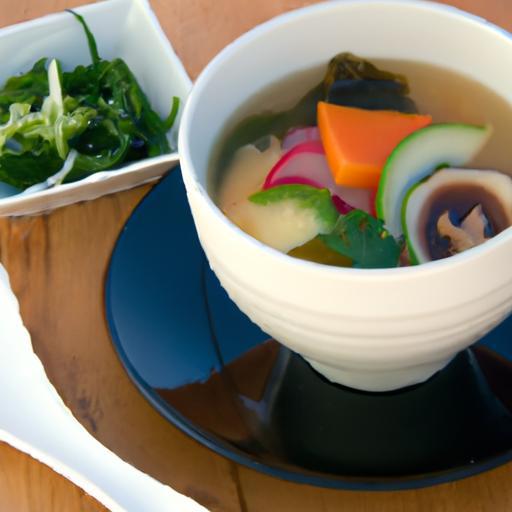
In the world of comfort foods, few dishes blend simplicity and depth quite like miso soup.That steamy,savory sip has long been a staple in Japanese cuisine-a humble bowl brimming with umami goodness. But beyond its delicate flavor lies an intriguing question: just how light is this nourishing broth when it comes to calories? In this article,we’ll unravel the nutritional story behind miso soup,revealing why this ancient elixir is not only a tasty starter but also a surprisingly healthy choice. prepare to discover how each spoonful offers more than warmth-it delivers a light sip of nutrition that complements your wellness journey.
Unveiling Miso Soup Calories reveals not just a humble Japanese staple’s light calorie count but a deep well of nutritional benefits essential for a balanced diet.Originating from Japan’s rich culinary tradition, miso soup is more than a comforting broth; it’s a delicate interplay of fermented goodness infused with umami-rich flavors and wholesome ingredients. Having crafted this soup countless times as a culinary content creator and food stylist, I cherish how a single bowl can nourish both body and soul-an elegant yet simple recipe inviting anyone to savor health in every sip.
Prep and Cook Time
- Preparation: 10 minutes
- Cooking: 15 minutes
- Total: 25 minutes
Yield
Serves 4 people
Difficulty Level
Easy
Ingredients
- 4 cups low-sodium dashi stock (homemade or store-bought)
- 3 tablespoons white miso paste (shiro miso), packed
- 100 grams silken tofu, cut into ½-inch cubes
- 2 tablespoons wakame seaweed, dried
- 2 green onions, finely sliced
- Optional: 1 teaspoon soy sauce (for extra depth)
Instructions
- rehydrate the wakame: Soak dried wakame seaweed in cold water for 5 minutes until it expands and softens, than drain and set aside.
- Warm the dashi stock: In a medium pot, bring the dashi gently to a simmer over medium heat. Avoid boiling to preserve the subtle flavors.
- Dissolve the miso: Place the miso paste in a small bowl and ladle in a few tablespoons of warm dashi. Whisk until smooth, ensuring no lumps remain.
- Combine broth and miso: Slowly stir the miso mixture back into the pot, maintaining a gentle heat to keep probiotics intact. Do not boil once miso is added.
- Add tofu and wakame: Gently drop in the tofu cubes and rehydrated wakame. Simmer for 2-3 minutes to warm through.
- finish with green onions: Sprinkle sliced green onions on top just before serving to retain thier radiant, fresh flavor.
Tips for Success
- Miso paste varieties: Experiment with red (aka miso) for a richer, earthier flavor, or mixed blends for greater complexity.
- Probiotic preservation: Avoid boiling after adding miso to protect beneficial bacteria that contribute to gut health.
- Dashi alternatives: Vegetable broth can make this recipe vegetarian,but traditional kombu and bonito-based dashi yields the iconic umami depth.
- Make-ahead: Keep broth and miso separate until serving if prepping in advance to maintain freshness and texture.
Serving Suggestions
Present your miso soup in elegant ceramic bowls alongside a drizzle of sesame oil or a sprinkle of toasted sesame seeds. For added texture,a handful of thinly sliced shiitake mushrooms or a few enoki mushrooms gently cooked in the broth lifts the experience. Pair with steamed rice or light sushi rolls to create a harmonious and healthful Japanese meal.
| Nutrient | Per Serving |
|---|---|
| Calories | 65 kcal |
| Protein | 5 g |
| Carbohydrates | 6 g |
| Fat | 2 g |
Understanding Nutritional Benefits of Miso Soup Calories
The light calorie content of miso soup makes it an ideal choice for those seeking nutrition without heaviness. Each serving provides a moderate protein boost mostly from tofu,while the fermented miso paste offers enzymes and probiotics known to aid digestion and immune function. The seaweed contributes iodine and trace minerals that support thyroid health, making miso soup a small powerhouse of mammoth health benefits beyond simple calorie counting.
Choosing Ingredients for a Balanced Miso Experience
Selecting the right miso paste dramatically influences the flavor and health profile of your soup. White miso, the mildest of the varieties, lends a subtle sweetness making it approachable for beginners. For more complexity and richer nutrition, red or mixed miso pastes deepen the umami layers. Fresh green onions and soft tofu add texture and freshness, balancing sweetness and saltiness, while wakame seaweed packs a mineral punch crucial for balancing your electrolyte intake.
Tips for Incorporating This Classic Broth Into Your diet
Integrating miso soup into your routine can be effortlessly healthy. Enjoy a bowl as a light breakfast starter, a calming afternoon snack, or part of a low-calorie dinner. Its warming properties soothe the stomach and help regulate appetite. for variety, add seasonal vegetables like baby spinach, sliced carrots, or mushrooms, extending nutrition while maintaining that signature low calorie count. Remember, the key is unveiling miso soup calories to embrace its soul-nourishing qualities with mindful ingredient choices and fresh preparation.
For more on the benefits of fermented foods, visit the Healthline guide to fermented foods.To explore other wholesome Japanese recipes, see our Japanese superfood recipes collection.

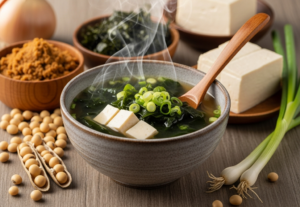
Q&A
Q&A: Unveiling Miso Soup Calories – A Light Sip of Nutrition
Q1: What exactly is miso soup, and why is it celebrated in the world of nutrition?
A1: Miso soup is a traditional Japanese broth made primarily from miso paste-fermented soybeans blended with salt and koji (a type of fungus). Celebrated for its umami-rich flavor and probiotic punch,miso soup is much more than a comforting starter; it’s a nutritional powerhouse that can support digestion,immunity,and overall wellness.
Q2: How many calories does a typical bowl of miso soup contain?
A2: A standard serving of miso soup typically contains between 30 to 50 calories. This light calorie count makes it a guilt-free choice for those looking to enjoy a warm, savory treat without tipping the calorie scales.
Q3: What contributes to the low-calorie content of miso soup?
A3: miso soup’s calorie mindfulness comes from its simple ingredients: water, miso paste, tofu, seaweed, and sometimes spring onions. These are all nutrient-dense but naturally low in calories. Unlike creamy or oil-heavy soups, miso soup keeps it light by relying on fermentation and umami flavor rather than fats.
Q4: Does miso soup provide more than just calories? What nutritional benefits does it offer?
A4: Absolutely. Besides being low in calories, miso soup is rich in protein, vitamins (especially B vitamins), minerals like zinc and manganese, and beneficial probiotics that promote gut health. The presence of seaweed boosts iodine intake, crucial for thyroid health, while tofu adds plant-based protein.
Q5: Can drinking miso soup regularly impact your diet or weight management?
A5: Incorporating miso soup regularly can support a balanced diet by providing satiety with minimal calories. Its high umami profile can enhance flavor satisfaction, perhaps leading to reduced cravings for high-calorie foods. Plus, the probiotics can aid digestion, indirectly assisting in metabolism and weight management.
Q6: Are there variations in miso soup that change its calorie content significantly?
A6: Yes. Adding ingredients like noodles, fried tofu, or fatty cuts of fish will increase the calorie count.Store-bought or restaurant versions might also contain added oils or sodium, which can impact both calories and overall healthfulness.Making miso soup at home allows you to control these factors and keep it light.
Q7: How can someone enjoy miso soup as part of a healthy lifestyle?
A7: Enjoy miso soup as a nourishing appetizer or a light snack between meals. Pair it with fresh veggies or a balanced main dish for a well-rounded diet. Becuase it’s quick to prepare and hydrating, it’s perfect for a mindful sip that soothes both hunger and soul.
Q8: Is miso soup suitable for everyone, including those watching their sodium intake?
A8: While miso soup is generally healthy, it can be high in sodium due to the miso paste. Those sensitive to salt should opt for low-sodium miso varieties or dilute the broth with more water. Consulting a dietitian is a good idea for anyone managing hypertension or other sodium-related health concerns.
In essence, miso soup offers a delightful, low-calorie option packed with nutrition and flavor-a true light sip of wellness in every bowl.
Closing Remarks
as we lift our spoons to the humble bowl of miso soup,we realize it is much more than just a comforting sip-it’s a delicate balance of flavor and nutrition wrapped in simplicity. Unveiling its calories reveals how this traditional Japanese staple can be a light, nourishing addition to your diet without tipping the scales. So next time you savor that warm umami broth, remember: each spoonful offers not just taste, but a mindful nod to wellness, proving that sometimes, the healthiest choices come in the quietest, most unassuming forms.