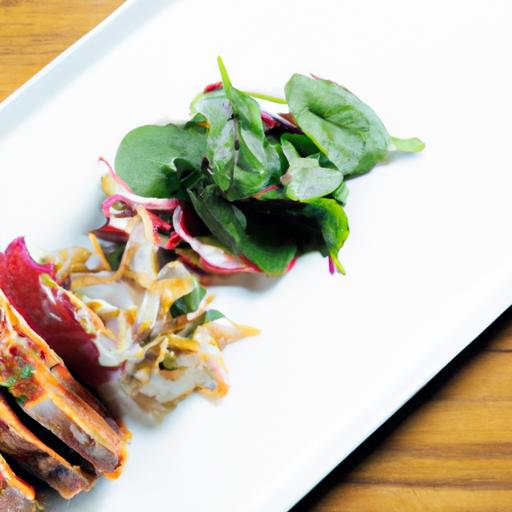

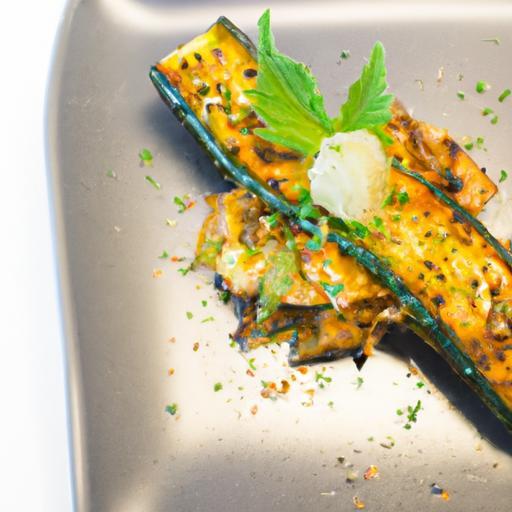
In the vast symphony of flavors, umami stands as the deep, resonant note that transforms a simple dish into an unforgettable experience. Enter the miso-glazed eggplant-a vibrant,savory masterpiece that captures the essence of this elusive fifth taste. With its tender, caramelized flesh cloaked in a rich, salty-sweet glaze, this dish not only tantalizes the palate but also unlocks new dimensions of flavor complexity. Join us as we explore the magic behind the umami boost, and discover how this humble eggplant transforms into a culinary delight worthy of any table.
Exploring the Umami Power of Miso and Its Culinary Benefits
Umami Boost begins with the magic of miso, a fermented soybean paste celebrated for its deep, savory essence that transforms simple ingredients into remarkable dishes. This ancient Japanese staple is a powerhouse of glutamates, the compounds responsible for umami-the fifth taste-adding profound depth and complexity. Incorporating miso not only elevates flavors but also introduces a natural source of probiotics, vitamins, and minerals, enriching your culinary creations both nutritionally and gastronomically.
When paired with eggplant, which acts like a sponge for bold tastes, miso’s umami character shines brilliantly, creating a luscious glaze that enhances every bite. The marriage of these ingredients showcases miso’s versatility and invites you to explore savoriness beyond customary boundaries.
Selecting the Perfect Eggplant for Maximum flavor Absorption
Choosing the right eggplant is essential to maximizing the umami boost in your dish. Look for medium-sized eggplants with a firm texture, shiny skin, and a vibrant deep purple hue; these indicate freshness and youthful flesh. Avoid larger variety eggplants as they tend to be seedy and less absorbent of marinades and glazes.
Japanese or Italian varieties are especially ideal-they have a thinner skin and tender flesh,which readily soak up the rich miso glaze.Before cooking, pierce or score the eggplant flesh lightly to allow superior glaze penetration, ensuring that every forkful bursts with layered flavor.
Crafting the Ideal Miso Glaze: Ingredients and Techniques revealed
The key to an irresistibly savory glaze starts with a harmonious balance of ingredients. A classic miso glaze blends white miso paste for sweetness and umami, mirin for subtle acidity, rice vinegar for brightness, and brown sugar for caramelized richness. A splash of soy sauce and grated fresh ginger imbue warmth and complexity.
Whisk these elements together until silky and smooth, then gently heat the glaze to awaken the flavors before application. This technique deserves patience; warming the glaze intensifies the miso notes creating that characteristic glossy sheen when brushed onto the eggplant.
Mastering the Cooking Process for a Tender and Flavorful Eggplant Delight
Start by roasting or pan-searing your scored eggplant until the flesh becomes tender and golden, allowing the natural sugars to caramelize subtly. Then, brush the miso glaze generously, repeating this step multiple times under a broiler or grill to build layers of sticky, umami-packed goodness.
The goal is a tender yet silky eggplant with a beautifully caramelized surface that crackles slightly as you bite in. Finishing with a sprinkle of toasted sesame seeds or chopped scallions creates a vibrant contrast in both texture and color, inviting you to savor each mouthful.
Prep and Cook Time
- Prep Time: 15 minutes
- Cook Time: 30 minutes
- Total Time: 45 minutes
Yield
Serves 4 as a side or light main
Difficulty Level
Medium
ingredients
- 2 medium Japanese eggplants, halved lengthwise and scored
- 3 tbsp white miso paste
- 2 tbsp mirin
- 1 tbsp rice vinegar
- 1 tbsp brown sugar
- 1 tbsp soy sauce
- 1 tsp freshly grated ginger
- 1 tbsp toasted sesame oil
- 1 tbsp toasted sesame seeds (for garnish)
- 2 scallions, finely chopped (for garnish)
- Neutral oil for frying (e.g., vegetable or grapeseed oil)
Instructions
- Prepare the glaze: In a small saucepan, whisk together white miso paste, mirin, rice vinegar, brown sugar, soy sauce, and grated ginger. warm over low heat, stirring until smooth and slightly thickened. Remove from heat and set aside.
- Prep the eggplants: Halve the eggplants lengthwise, then score flesh in a diamond pattern without piercing the skin. This allows maximum flavor absorption during cooking.
- Cook the eggplants: Heat a generous drizzle of neutral oil in a skillet over medium-high heat. Place the eggplants cut-side down and sauté until deeply charred and tender, about 5-7 minutes. flip and cook the skin side for 3 minutes until soft.
- Apply glaze: Brush the miso glaze generously over the cooked flesh. Transfer eggplants to a baking sheet lined with foil.
- Broil for caramelization: Place under a preheated broiler for 2-3 minutes, watching closely to prevent burning. Remove, brush with a second layer of glaze, and broil again until the surface glistens with a sticky, golden finish.
- Finish and serve: Drizzle the toasted sesame oil over the glazed eggplant. Garnish with toasted sesame seeds and chopped scallions to add a fresh crunch and earthy aroma.
Tips for Success
- For deeper flavor, marinate eggplants in half the glaze for 20 minutes before cooking.
- Use premium white miso for balanced sweetness without overpowering saltiness.
- If you prefer a smokier finish, consider finishing the glazed eggplant on a hot grill instead of broiling.
- To make this dish vegan, ensure the soy sauce you use is gluten-free and free from animal additives.
- eggplants can be roasted whole then sliced; this yields a silky texture perfect for spreading the miso glaze evenly.
Serving Suggestions
Serve this umami-boosted eggplant as a stunning side dish alongside steamed jasmine rice, or elevate it to main-course status by pairing with soba noodles tossed in toasted sesame oil. Garnish with fresh herbs like shiso or cilantro and a wedge of lime for a zesty brightness. This dish also shines atop a lightly dressed green salad or as a flavorful component in a Japanese-style bento box.

| Nutrient | per Serving |
|---|---|
| Calories | 180 kcal |
| Protein | 6 g |
| Carbohydrates | 30 g |
| Fat | 4 g |
for more ways to incorporate umami into your cooking, check out our extensive guide on umami flavor.
Discover the rich history and health benefits of miso at Healthline’s in-depth article.
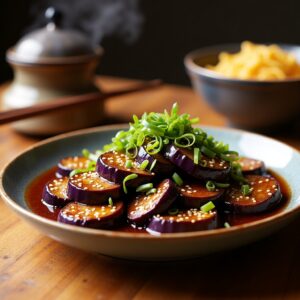
Q&A
Q&A: Umami Boost – Unlock Flavor with Miso-glazed Eggplant Delight
Q1: What is umami, and why is it important in cooking?
A: Umami is often called the “fifth taste,” alongside sweet, salty, sour, and bitter.it’s that rich,savory flavor that adds depth and complexity to dishes,making them irresistibly satisfying. Unlocking umami in your cooking, like with miso-glazed eggplant, transforms ordinary ingredients into layers of mouthwatering delight.
Q2: Why choose eggplant as the base for an umami-packed dish?
A: Eggplant acts like a sponge, soaking up flavors beautifully. Its mild and slightly smoky flesh becomes silky when roasted or grilled, allowing the rich miso glaze to shine. The result? A perfect balance of texture and taste that embodies umami.
Q3: What makes miso such a powerful umami ingredient?
A: Miso is fermented soybean paste brimming with naturally occurring glutamates-the compounds responsible for umami. Its complex profile ranges from sweet and mellow to deep and salty, adding a luscious boost of savoriness that complements and elevates the eggplant’s subtle flavor.
Q4: How do you prepare a miso glaze that balances flavor without overpowering?
A: Crafting the perfect glaze is an art! Typically, a mix of miso paste, a touch of sweetness (like honey or maple syrup), tangy rice vinegar, and a hint of warmth from ginger or garlic meld together to create a harmonious glaze. It’s essential to balance salty, sweet, and acidic notes so the glaze enhances but doesn’t overwhelm the eggplant.
Q5: Are ther tips for cooking eggplant to maximize its texture and flavor?
A: Absolutely! Before glazing, roast or grill the eggplant slices until tender and lightly caramelized-this caramelization adds even more umami by creating savory, slightly sweet crusts. Also, salting the eggplant beforehand helps draw out moisture and reduces bitterness, ensuring a velvety bite.
Q6: Can miso-glazed eggplant be a main course, or is it better as a side?
A: It’s wonderfully versatile! Serve it as a stunning main for a light lunch or dinner, paired with steamed rice and greens. Or, slice it into smaller pieces for a sophisticated side dish that steals the show alongside grilled proteins or noodles.
Q7: How can someone experiment further with the umami theme using miso-glazed eggplant?
A: The possibilities are endless! Try mixing different types of miso-white, red, or barley-for unique flavor twists. Add toasted sesame seeds, fresh herbs like shiso or cilantro, or a drizzle of spicy chili oil for an extra kick. you can even incorporate other umami-rich ingredients like mushrooms or bonito flakes to take the dish to a new savory dimension.
Q8: What makes miso-glazed eggplant a great dish for home cooks?
A: It’s simple, flexible, and impressive-a perfect trio! With a handful of pantry staples and minimal prep, even beginner cooks can create a gourmet-tasting dish that highlights the magic of umami. Plus, it’s vegetarian-kind and packs a nutritious punch, making it a feel-good flavor boost any day of the week.
Unlock the savory depths of umami with this miso-glazed eggplant delight,and watch your meals transform into unforgettable flavor adventures!
future Outlook
As you embark on your culinary adventures,let the rich,savory depths of miso-glazed eggplant be your secret weapon in unlocking umami’s full potential. This delightful fusion of sweet, salty, and earthy notes not only elevates a humble vegetable but also transforms any meal into an experience bursting with flavor and nourishment.So next time you crave a dish that’s both simple and sophisticated, remember: sometimes, all it takes is a touch of miso magic to turn ordinary into extraordinary.happy cooking, and may your taste buds forever savor the umami boost!