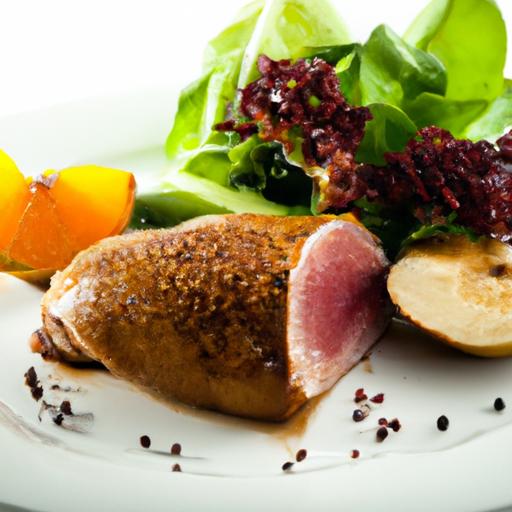

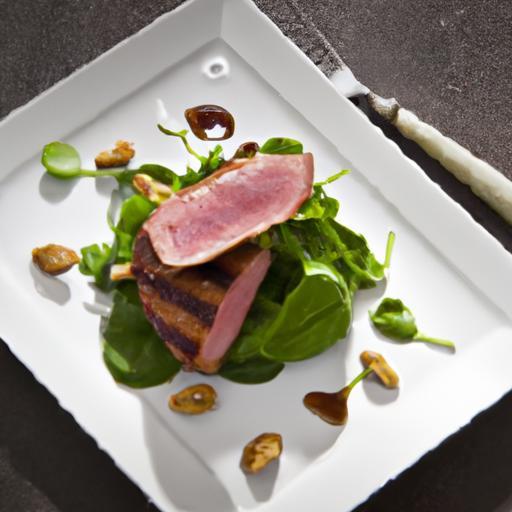
Ther’s something undeniably captivating about a perfectly cooked duck breast-the crisp, bronzed skin giving way to tender, juicy meat beneath, delivering a rich, savory bite that elevates any meal. Yet, mastering this culinary delight can feel like a delicate dance between technique and timing, where a single misstep risks turning succulent into tough. In this savory guide, we’ll unravel the secrets to cooking duck breast flawlessly every time, from selecting the ideal cut to mastering heat control and seasoning. Whether you’re an adventurous home cook or a seasoned chef seeking to refine your skills, prepare to embark on a flavorful journey that transforms duck breast from a mysterious ingredient into a stunning centerpiece of your table.
Mastering duck breast begins with selecting the highest quality cut, a crucial step to unlock its rich, succulent flavors paired with irresistibly crispy skin. Born from centuries of culinary tradition, duck breast carries a remarkable depth that transcends everyday poultry. Its delicate balance of tender meat and crackling skin offers a sensory experience that transforms your dining into a lavish occasion.
prep and Cook Time
- Preparation: 10 minutes
- Cooking: 12-15 minutes
- Total Time: 25 minutes
Yield
- Serves 2-3 peopel
Difficulty Level
- Medium – Requires attention to timing and temperature
ingredients
- 2 duck breasts (skin-on, approximately 6-7 ounces each)
- 1 teaspoon kosher salt
- ½ teaspoon freshly ground black pepper
- 1 sprig fresh thyme
- 2 cloves garlic, crushed
- 1 tablespoon unsalted butter
- 1 tablespoon extra virgin olive oil
- 2 tablespoons orange marmalade (optional, for sauce)
- 1 tablespoon balsamic vinegar (optional, for sauce)
Instructions
- Score the skin in a crisscross pattern using a sharp knife, taking care not to cut into the meat. This helps render the fat and creates crispy skin.
- Place a cold,heavy skillet (preferably cast iron) over medium heat and add the duck breasts skin-side down without any oil.The fat will slowly render out.
- Cook the skin slowly for 7-9 minutes, pressing gently with a spatula to maintain contact. The skin should turn golden brown and crispy - a sign of mastering duck breast texture.
- flip the breasts and add crushed garlic, thyme, butter, and olive oil to the pan to infuse flavor. Cook the meat side for 3-5 minutes for medium-rare, spooning the melted butter over repeatedly for succulence.
- Remove the duck breasts from the pan and transfer to a cutting board. Let rest for 5-8 minutes to allow juices to redistribute-never skip this crucial step for tender meat.
- While resting,gather the skillet drippings and stir in orange marmalade and balsamic vinegar over low heat until slightly thickened,creating a balanced sweet-and-tangy sauce.
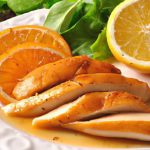
- Slice the duck breast thinly against the grain and drizzle with the warm sauce before serving.
Tips for Success
- Select duck breasts with firm, unblemished skin for optimal crispiness. Preferably choose fresh over frozen to retain texture.
- Rely on medium to low heat initially to render fat slowly-high heat risks burning the skin before fat melts.
- Do not overcrowd the pan; cook in batches if needed to keep even cooking and crisping.
- Resting is essential: slicing too soon will release juices and dry out the meat.
- For a variation, try pairing with cherry or red wine reductions instead of marmalade for deeper complexity.
Serving Suggestions
Present your beautifully sliced duck breast atop a bed of creamy mashed potatoes or roasted root vegetables for earthiness. garnish with fresh thyme sprigs and vibrant pomegranate seeds for pops of color and brightness. A side of wilted baby spinach tossed with garlic complements the richness beautifully. Finish with a drizzle of the rich pan sauce for a restaurant-worthy feast that captivates all senses.

| Nutrient | Amount (per serving) |
|---|---|
| Calories | 350 kcal |
| Protein | 28 g |
| Carbohydrates | 5 g |
| Fat | 25 g |
For more culinary inspiration, explore our Duck Confit Recipe to master another classic duck preparation. To deepen your understanding of duck meat nutrition and sourcing, visit USDA’s official site.
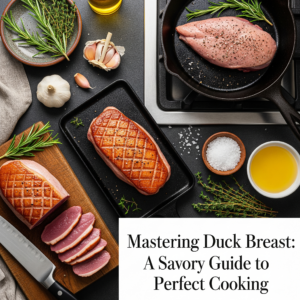
Q&A
Q&A: Mastering Duck Breast – A Savory Guide to Perfect Cooking
Q1: Why is duck breast considered a more challenging cut of meat compared to chicken or beef?
A1: Duck breast is a culinary diva-rich,flavorful,and tender,but also notoriously tricky to cook. Unlike chicken or beef, it has a thick layer of fat beneath its skin that must be rendered carefully to achieve crispy perfection without overcooking the meat. Its unique texture and fat content demand a delicate balance of temperature and timing to unlock its full savory potential.
Q2: What’s the secret to rendering the duck fat while keeping the breast moist?
A2: Patience is your best sous-chef.Start by scoring the skin in a criss-cross pattern without cutting into the meat. Cook the breast skin-side down in a cold pan over medium-low heat, allowing the fat to slowly melt and render out. This slow process crisps the skin beautifully while preserving moistness.Flip only once,finish in the oven if needed,and nix excessive flipping to keep juices locked in.
Q3: How can I tell when duck breast is perfectly cooked?
A3: Duck breast shines at medium rare to medium-think rosy pink in the center. Use a meat thermometer to aim for 135-140°F (57-60°C). The skin should be golden and crisp, the fat rendered, and the meat tender with a slight bounce. Rest the meat for 5-10 minutes post-cooking to let juices redistribute-this is the quiet encore that elevates the entire dish.
Q4: What flavor pairings complement duck breast best?
A4: Duck loves bold,contrasting flavors. Think tart fruits like cherries, oranges, or pomegranates, which cut through its richness with vibrant acidity.Earthy root vegetables, aromatic herbs like thyme or rosemary, and a hint of spice-think star anise or five-spice powder-can add a captivating depth. Sweet and savory dances harmoniously on the palate here.
Q5: Can I cook duck breast without a pan-sear method?
A5: While pan-searing is classic for crisp skin, you can experiment with sous-vide cooking to achieve ultra-precise doneness and tender texture, finishing with a speedy sear for crispness. Roasting slowly at a lower temperature can also work, but beware of losing that signature crispy skin without the fat-rendering sear.
Q6: How meaningful is resting, and what happens if I skip it?
A6: Think of resting as the grand finale where the juices settle and the meat relaxes. Skipping rest causes precious juices to spill out instantly when sliced, leaving the duck dry and less flavorful. Patience here pays off with succulent, tender bites that melt in your mouth.
Q7: Any tips for buying the best duck breast?
A7: Look for plump breasts with smooth, unblemished skin and a thick layer of fat.Freshness is key-seek out local farms or trusted butchers for the best quality. Organic or free-range options frequently enough have better flavor and texture courtesy of better feed and living conditions.
Mastering duck breast is an artful dance of heat, time, and flavor. With care and curiosity, your kitchen can transform this gourmet ingredient into a stunning, savory masterpiece that dazzles every palate. Happy cooking!
Key Takeaways
as you embark on your culinary journey mastering duck breast, remember that patience, precision, and a touch of intuition are your greatest allies. From selecting the freshest cut to achieving that perfect, crispy skin and succulent center, each step transforms this rich ingredient into a gourmet masterpiece. With the techniques and tips shared in this guide, you’re not just cooking-you’re crafting an experience that celebrates the savory elegance of duck breast. So sharpen your knives, trust your instincts, and let each sizzling sear bring you closer to perfection. Your next unforgettable meal awaits.