
In a world where dining out often steals the spotlight, the true art of savoring a meal is increasingly being rediscovered right at home. Imagine transforming your kitchen into a stage where every dish is a masterpiece,every ingredient carefully orchestrated like notes in a symphony. “Elevate Your Home Meals: Mastering Fine Dining Techniques” invites you on a culinary journey beyond ordinary cooking-where precision meets passion,and simple ingredients are elevated to extraordinary experiences.
Elevate Your Home Meals: Mastering Fine Dining Techniques unlocks a world where everyday ingredients become the canvas for culinary masterpieces. This recipe embodies the essence of chef-level ingredient pairings and presentation artistry, transforming a simple home-cooked dish into a sensory celebration. Inspired by classic French flavor harmonies yet refreshed with modern twists, it invites you to experience cooking not just as a task, but as a crafted art form.
Prep and Cook Time
- Planning: 20 minutes
- Cooking: 30 minutes
- Total: 50 minutes
Yield
Serves 4 elegantly plated portions
Difficulty Level
Medium – perfect for adventurous home cooks ready to elevate their technique
Ingredients
- 4 skin-on chicken breasts,boneless and trimmed
- 2 tbsp olive oil,extra virgin
- 1 tbsp unsalted butter
- 3 cloves garlic,finely minced
- 1/2 cup shallots,thinly sliced
- 1/2 cup dry white wine
- 1/2 cup heavy cream
- 1 tbsp Dijon mustard
- 2 sprigs fresh thyme
- 1 cup baby spinach,washed and dried
- Salt and freshly ground black pepper,to taste
- Zest of 1 lemon
- Microgreens and edible flowers for garnish
Instructions
- Prepare the chicken: Pat the chicken breasts dry with paper towels and season generously with salt and pepper on both sides. This ensures crisp, golden skin and flavor infusion.
- Heat olive oil in a heavy skillet over medium-high heat until shimmering but not smoking. Add the chicken breasts skin-side down and cook undisturbed for 6-7 minutes until deeply golden and crisp. Flip and cook the other side for 4 minutes. Remove chicken and set aside, tented with foil.
- reduce heat</ to medium and melt butter in the same skillet.Add the shallots and sauté gently until translucent, about 3 minutes.
- Add the garlic and thyme sprigs, stirring for 30 seconds until fragrant but not browned.
- Deglaze the pan</ with white wine, scraping up browned bits with a wooden spoon. Allow the wine to reduce by half,approximately 5 minutes,concentrating intense flavors that will lift the sauce.
- Stir in Dijon mustard</ followed by heavy cream, whisking to combine into a smooth, velvety sauce. simmer for 4 minutes to thicken slightly.
- Season the sauce</ with salt, pepper, and fresh lemon zest for brightness. Remove thyme sprigs.
- Return the chicken</ to the pan along with the baby spinach. Spoon the sauce over the chicken, cover loosely, and simmer on low heat for 6-8 minutes until the chicken reaches an internal temperature of 165°F (74°C) and spinach wilts gently.
- Rest the chicken</ for 5 minutes off heat – this vital step retains juiciness.
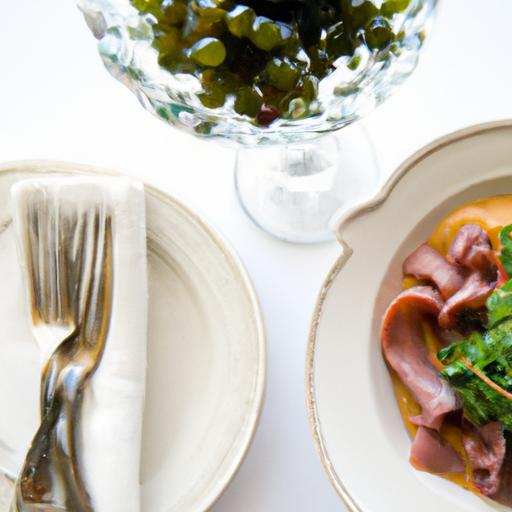
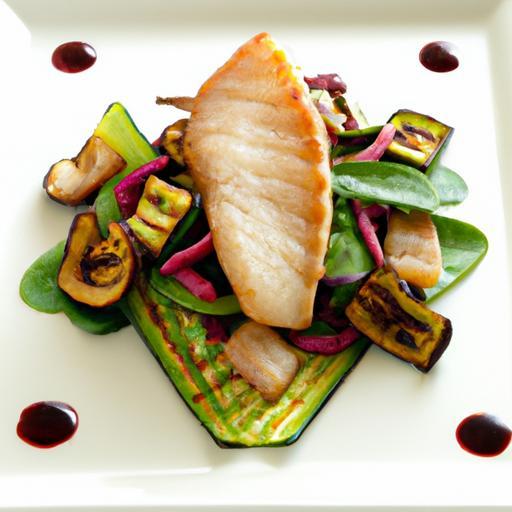
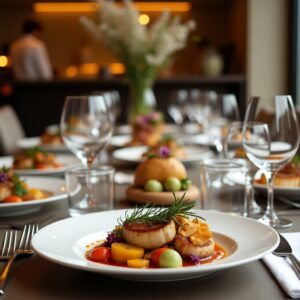
- Plate artistically: Place each chicken breast atop a spoonful of sauce, nestle sautéed spinach alongside, and garnish with microgreens and edible flowers for exquisite color contrast and textural intrigue.
Chef’s Notes
- For a dairy-free variation, substitute the heavy cream with full-fat coconut milk and omit butter; use extra olive oil for richness.
- Using bone-in chicken thighs can deepen flavor but adjust cooking time accordingly.
- Let your sauce reduce patiently – rushing with high heat can cause separation. A slow simmer keeps it luscious and stable.
- Piecing together fresh, vibrant garnishes like microgreens transforms your plate from ordinary to extraordinary, perfectly aligning with fine dining aesthetics.
- This dish pairs wonderfully with a side of creamy mashed potatoes or a delicate parsnip purée.
Serving Suggestions
Present this dish on large white plates with minimalist styling to emphasize your mastery of texture and color contrast. Drizzle any extra sauce artistically on the plate.Accompany with a chilled glass of dry Chardonnay or a light Pinot Noir to complement the creamy, slightly tangy sauce and savory chicken.Dim lighting, soft linen napkins, and subtle herb candles enhance ambiance, turning your dining room into a refined bistro experience.

| nutrient | Per serving | % Daily Value* |
|---|---|---|
| Calories | 420 kcal | 21% |
| Protein | 38 g | 76% |
| Carbohydrates | 6 g | 2% |
| Fat | 26 g | 40% |
*Percent Daily Values are based on a 2,000 calorie diet.
Ready to take your culinary journey further? discover how to create ambiance and service like a true fine dining establishment. For scientific insights on flavor pairing, explore this research on ingredient synergy.
Q&A
Q&A: Elevate Your Home Meals – Mastering Fine Dining Techniques
Q1: What does “fine dining techniques” mean when applied at home?
A1: Fine dining techniques at home involve embracing the elegance, precision, and artistry found in upscale restaurants. It’s about transforming everyday cooking into a memorable experience through elegant preparation methods, stunning plating, and thoughtful ingredient pairings-all from your own kitchen.
Q2: Can anyone master these techniques, or do they require professional training?
A2: Absolutely anyone can learn! While professional chefs spend years honing their skills, many fine dining techniques are accessible to passionate home cooks. With practice, attention to detail, and the right guidance, you can replicate impressive dishes that wow your family and guests.
Q3: What are some basic techniques that elevate a home-cooked meal to fine dining status?
A3: Start with mastering knife skills for clean cuts and uniform cooking. Learn sous-vide or controlled temperature cooking for perfect doneness. Experiment with sauces and reductions to add depth. plating artfully-think balance, color contrast, and textures-turns a dish into a feast for the eyes.
Q4: How important is plating and presentation in fine dining?
A4: Presentation is half the experience. Our eyes taste first! A well-plated dish tells a story, guides the diner’s senses, and elevates anticipation. Using negative space, edible garnishes, and layering textures can transform simple ingredients into visual masterpieces.
Q5: are there specific kitchen tools that help replicate fine dining techniques at home?
A5: While you don’t need every gadget, a few key tools help greatly: a sharp chef’s knife, a digital thermometer for precision, a blender or food processor for silky textures, and if possible, a sous-vide cooker for perfect control. Quality tools inspire confidence and improve technique.
Q6: How can home cooks balance complexity and simplicity when adopting fine dining methods?
A6: The magic lies in simplicity done exquisitely. Focus on a few quality ingredients and treat each with respect-season thoughtfully,cook precisely,and plate creatively. Fine dining isn’t about overcomplication; it’s about harmony and finesse.
Q7: What role does ingredient selection play in mastering fine dining at home?
A7: top-notch ingredients are your foundation. Freshness, seasonality, and quality make flavors shine naturally, reducing the need for heavy seasoning or masking flavors.Sourcing from local markets or specialty purveyors can greatly enhance the final dish.
Q8: How can home cooks incorporate fine dining techniques into everyday meals without spending hours?
A8: Prep smart and prioritize. Use mise en place-organize your ingredients beforehand-so cooking feels smooth. Master a few swift techniques like pan-searing or simple emulsions (like vinaigrettes). Even small details,such as finishing a dish with a drizzle of high-quality olive oil or a sprinkle of microgreens,add polish without extra time.
Q9: Can fine dining techniques be adapted for dietary restrictions or special diets?
A9: Definitely! Fine dining is about creativity and personalization. Whether gluten-free, vegan, or low-carb, you can apply texture contrasts, vibrant plating, and advanced cooking techniques to highlight alternative ingredients beautifully.
Q10: What’s the best mindset for home cooks aspiring to elevate their meals with fine dining methods?
A10: Approach cooking as an artful expression and an act of love. be curious, patient, and willing to experiment. Celebrate the journey-each technique learned brings you closer to creating home meals that not only taste spectacular but also delight every sense.
Closing Remarks
As your journey into the art of fine dining comes to a close, remember that elevating your home meals is more than just mastering techniques-it’s about transforming everyday ingredients into memorable experiences. With patience, practice, and a dash of creativity, your kitchen can become a stage where flavors, textures, and presentations come together in harmonious celebration. So,roll up your sleeves,sharpen those knives,and let your passion for culinary excellence turn every meal into a masterpiece worthy of the finest table. Your dinner guests-and your taste buds-will thank you.