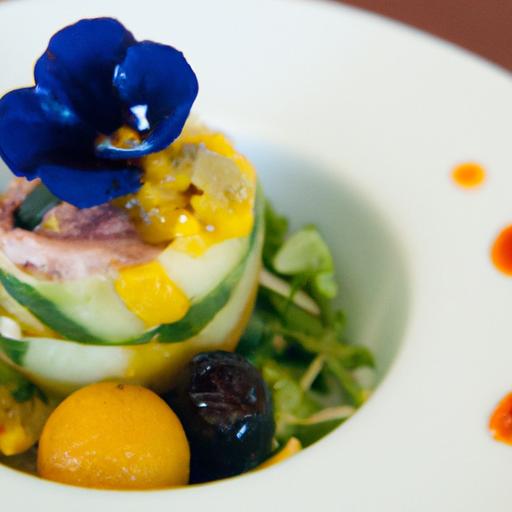

In the world of home cooking, the secret ingredient to transforming a simple meal into a memorable experience lies not only in flavor but in presentation. Elevate Your Home cooking: Master the Art of Plating invites you on a journey beyond the stove, where colors, textures, and balance come together to tell a story on your plate. Whether you’re serving a casual weeknight dinner or impressing guests with a festive feast, mastering the art of plating will ignite your creativity, enhance your culinary confidence, and turn every bite into a celebration for the eyes as well as the palate. Step into the world where food becomes art, and let your dishes shine as brightly as the flavors within.
Elevate your home cooking experience by unlocking the secrets of visual balance and color harmony in plating. By thoughtfully selecting plates and garnishes, and mastering techniques for precision and elegance, you transform any dish from simple to breathtaking. The subtle interplay of textures and heights on the plate creates depth and intrigue, inviting the diner to savor every bite visually before tasting.
prep and Cook Time
- Preparation: 20 minutes
- Cook Time: 15 minutes
- Total Time: 35 minutes
Yield
- Serves 4 elegantly plated portions
Difficulty Level
- Medium – Perfect for home cooks wanting to refine plating skills
Ingredients
- 4 boneless chicken breasts, pounded to even thickness
- 2 tbsp olive oil
- 1 tsp smoked paprika
- Salt & freshly ground black pepper, to taste
- 1 cup roasted rainbow baby carrots, peeled
- 1 cup sautéed baby spinach with garlic
- 1/2 cup microgreens or edible flowers for garnish
- 1/4 cup lemon beurre blanc sauce (or preferred sauce)
- Fresh thyme sprigs for decoration
Instructions
- Preheat your oven to 375°F (190°C) and prepare a rimmed baking sheet lined with parchment paper.
- Season the chicken breasts evenly with smoked paprika, salt, and pepper. Heat olive oil in a large skillet over medium-high heat.
- Sear the chicken breasts for 3 minutes on each side until golden brown. this step locks in juices and builds color contrast.
- Transfer the skillet to the oven *(or place chicken on the baking sheet)* and roast for 8-10 minutes until cooked through. Remove and rest for 5 minutes.
- Meanwhile, prepare your vegetables and warm the lemon beurre blanc sauce gently on the stove.
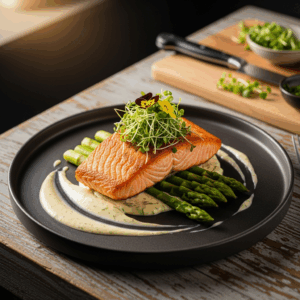
- Start plating by choosing a white or soft-hued plate with ample negative space, allowing colors to pop without overcrowding.
- Arrange the sautéed spinach in a neat mound off-center, layering the roasted baby carrots at a slight angle for height variation.
- Slice the rested chicken breast crosswise into medallions. Fan them elegantly on top of the spinach bed.
- drizzle the lemon beurre blanc sauce around the plate with finesse-think delicate swooshes or dots to embrace the components.
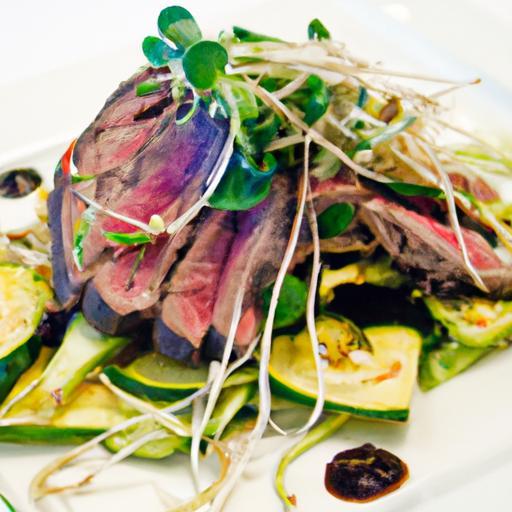
- Garnish with microgreens or edible flowers,and place a fresh thyme sprig to add a natural touch of texture and vibrant green color,enhancing color harmony and depth.
Tips for Success
- Select plates that complement your dish’s color palette-neutral tones or muted pastels work beautifully for vibrant foods.
- Balance visual weight: If the protein is dense, counter it with lighter textures like airy greens or purees.
- maintain cleanliness: Wipe plate edges clean before serving to preserve elegance and precision.
- Height adds drama: Stack or layer ingredients thoughtfully, but avoid overcrowding to keep an inviting focal point.
- Experiment with garnishes: Microgreens, citrus zest, or edible flowers create pops of contrasting color and varying textures.
- Practice plate placement: Try odd-numbered arrangements (3 or 5 pieces) for a more natural and appealing composition.
Serving Suggestions
Savor your creation alongside a crisp,dry white wine such as Sauvignon Blanc to complement the lemon beurre blanc’s brightness. Serve with slices of crusty artisan bread to mop up flavorful sauces.
to further elevate presentation, set your table with neutral linens allowing the dish’s colors to shine, and incorporate soft candlelight for ambiance. For small gatherings, accompanying the dish with a light mixed green salad adds freshness and balance.

| Nutrient | Per Serving |
|---|---|
| Calories | 350 kcal |
| Protein | 38 g |
| Carbohydrates | 10 g |
| Fat | 14 g |
For further inspiration on plating techniques and culinary artistry, explore our Plating Techniques 101 article. To deepen your knowledge on color theory in food presentation, visit ColorMatters – Basic Color Theory.
Q&A
Q&A: Elevate Your Home cooking – Master the Art of Plating
Q1: Why is plating crucial in home cooking?
A1: Plating transforms a simple dish into a feast for the eyes, setting the stage for a memorable dining experience. Just like a beautifully wrapped gift excites the receiver, a well-plated meal entices the eater before the first bite. It adds that touch of elegance and care, making your home-cooked food feel special and restaurant-worthy.
Q2: Where should I start if I’m a plating beginner?
A2: Begin by thinking about balance-colors, textures, and shapes. Use your plate as a blank canvas and aim to create contrast with radiant veggies, rich sauces, and varied textures. Keep portions reasonable, avoid overcrowding, and let each ingredient shine. Even simple garnishes like fresh herbs or a sprinkle of spice can elevate presentation dramatically.
Q3: How can I make colors pop on the plate?
A3: Color is your secret weapon. Incorporate vibrant ingredients-think jewel-toned beets, emerald herbs, or fiery red peppers. Position darker elements against lighter ones for striking contrast. A swipe of colorful sauce or a sprinkle of pomegranate seeds can also create unexpected visual excitement that awakens the appetite.
Q4: Is there a “best” plate to use?
A4: White plates are classic as they spotlight your food’s colors and textures without distraction. Though, bold or rustic plates can add character depending on your dish’s vibe. The key is to choose a plate size that frames the food neatly; too big can feel sparse, too small can overwhelm. Think of your plate as a stage that complements the performance.
Q5: How can I create height and dimension in plating?
A5: Height adds drama! Stack components thoughtfully-layer proteins on a bed of greens, or pile roasted veggies with a dollop of sauce. Use ring molds to shape rice or grains for a polished look. Verticality draws the eye upward, making your dish look dynamic rather than flat and mundane.
Q6: What role does negative space play on a plate?
A6: Negative space, or the empty area around food, gives your eyes a place to rest and highlights the main elements. It prevents the plate from looking cluttered and helps create a clean, minimalist aesthetic.Think of negative space as the pause between notes in music; it makes the meal visually harmonious.Q7: Can plating affect how food tastes?
A7: While plating doesn’t change the actual flavors, it shapes perception and anticipation. A beautifully presented dish primes your senses,often enhancing flavor gratitude and enjoyment. When food looks irresistible, you’re mentally prepared to savor it more deeply-turning an ordinary meal into an extraordinary experience.
Q8: Any quick plating tips for busy weeknights?
A8: Absolutely! Keep it simple but intentional: wipe the plate edges for cleanliness, add a fresh herb sprig, or drizzle a sauce artistically. Use pre-cut veggies or microgreens for instant freshness. Remember, confidence is contagious-present your dish with pride, and the plating will shine even on your busiest nights.
Q9: Where can I find inspiration to keep improving my plating skills?
A9: Look beyond cookbooks-explore art, nature, fashion, and even architecture for design ideas. Food blogs, social media platforms like Instagram or Pinterest, and cooking shows offer endless creative plating examples.Practice regularly, experiment boldly, and invite feedback from friends to keep evolving your edible artistry.
Mastering the art of plating isn’t just about aesthetics-it’s a appetizing blend of creativity and care that elevates your home cooking from everyday to extraordinary. So grab your favorite plate, channel your inner artist, and watch your meals become a visual and culinary masterpiece!
The Conclusion
As you step away from the plate, remember that plating is more than just a final flourish-it’s the visual invitation to savor every bite. By mastering the art of plating, you elevate not only the look of your dishes but also the entire dining experience, transforming your home cooking into a feast for the eyes and the soul. So,let your creativity run wild,experiment boldly with colors and textures,and watch as your culinary creations become works of edible art that tell a story with every bite.After all, in the world of food, presentation is the first masterpiece you share-make yours unforgettable.