
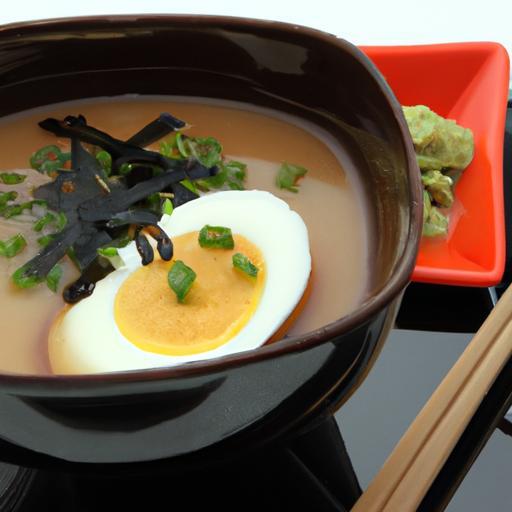
Miso soup, with its warm, umami-rich broth and comforting aroma, has long been a beloved staple in Japanese cuisine and beyond. But as dietary awareness grows and gluten sensitivities become more common, many have paused to wonder: Is this savory staple truly gluten-free? Behind miso soup’s simple appearance lies a complex blend of customary ingredients and modern variations that can either welcome or warn those avoiding gluten.In this article, we’ll unpack the savory secrets of miso soup, exploring its origins, typical components, and what to watch for to enjoy this delicious dish safely-whether you’re a gluten-free novice or a seasoned pro.
Miso soup gluten-free lovers frequently enough wonder about the delicate balance of tradition and dietary safety in this savory staple.Originating from Japan, miso soup is a comforting blend of fermented soybean paste, umami-rich broth, and simple yet elegant ingredients. But as straightforward as the dish seems, the world of miso is nuanced – especially when it comes to gluten content. Unearthing the ingredients behind miso and understanding their fermentation reveals how allergen presence can shift, guiding you safely through store aisles and your own kitchen.
Prep and Cook Time
- Preparation: 10 minutes
- Cooking: 15 minutes
- Total Time: 25 minutes
Yield
4 generous servings
Difficulty level
Easy
Ingredients
- 4 cups gluten-free dashi broth (kombu and dried shiitake mushroom based)
- 3 tbsp gluten-free miso paste (such as white or yellow miso made without barley or wheat)
- 1/2 cup cubed soft tofu, drained
- 2 tbsp chopped green onions (scallions)
- 1/4 cup wakame seaweed, soaked and drained
- Optional: fresh shiitake mushroom slices or enoki mushrooms, for extra earthiness
Instructions
- Prepare your dashi broth: Start with a clear gluten-free dashi using kombu seaweed and dried shiitake mushrooms. Simmer gently in 4 cups of water for about 10 minutes to fully extract umami flavors. Avoid traditional bonito flakes if sensitive to allergens.
- Rehydrate wakame: In cold water, soak the seaweed until it softens, about 5 minutes. Drain and set aside.
- Warm the broth: Slowly bring your dashi to a gentle simmer-avoid boiling as this can diminish delicate flavors.
- Incorporate miso paste safely: Ladle about 1/2 cup of warm broth into a small bowl, then whisk in the gluten-free miso paste until smooth. This technique prevents lumps and preserves the beneficial probiotics in miso.
- Combine and heat through: Pour the miso mixture back into the pot, stirring gently. Keep heat low to maintain miso’s integrity-avoid boiling.
- Add tofu and wakame: Gently fold in tofu cubes and the soaked seaweed, warming them carefully for 2-3 minutes.
- Finish with fresh scallions: Sprinkle chopped green onions for a bright, refreshing contrast.
Tips for success
- Select your miso with care: Check labels diligently-white (shiro) and yellow (shinshu) misos are frequently gluten-free, but red (aka) miso often contains barley or wheat.
- Fermentation nuances matter: Traditional fermentation can mask gluten but does not eliminate it; always verify allergen statements.
- Make your own dashi: this lets you control ingredients and avoid hidden gluten in commercial dashi powders.
- Pro tip: If you’re experimenting with homemade miso, start with soybeans and rice koji to keep gluten out entirely.
- Scaling up: Double all ingredients confidently for gatherings, maintaining proportions for perfect balance.
Serving Suggestions
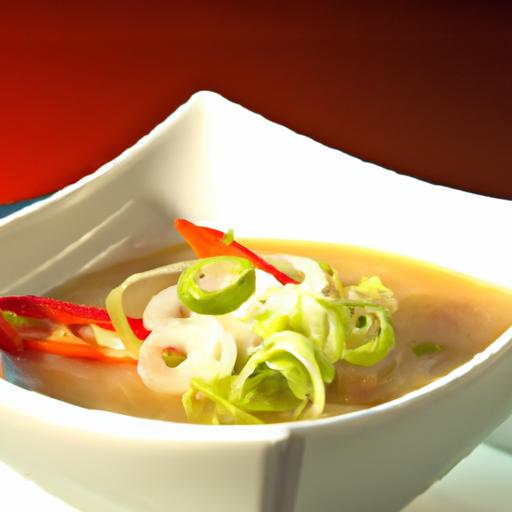
This miso soup gluten-free delight shines best served steaming hot in traditional lacquer bowls. Garnish with a few floating delicate wakame strands and freshly chopped green onions for vibrant color contrast and texture. Pair it alongside a light cucumber salad or steamed jasmine rice to complete a wholesome Japanese-inspired meal.
| Nutrient | Per Serving |
|---|---|
| calories | 75 kcal |
| Protein | 6 g |
| Carbohydrates | 8 g |
| Fat | 2 g |

For a deeper dive into gluten-free Asian cooking, visit our Gluten-Free Asian Recipes page. Additionally, you can explore more on food allergens and fermentation processes from the Food Allergy Research & Education (FARE) organization.
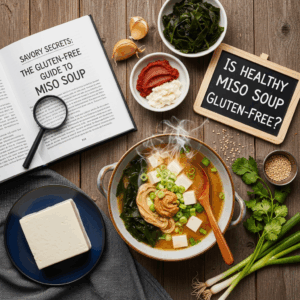
Q&A
Q: Is miso soup naturally gluten-free?
A: Miso soup, in its simplest form, is a blend of miso paste, dashi broth, and usually some tofu or seaweed. Traditionally, miso paste is made by fermenting soybeans with salt and koji (a type of mold culture). The basic ingredients-soybeans, salt, water, and rice or barley koji-can vary. While soybeans and rice are gluten-free, barley contains gluten. So, whether miso soup is gluten-free depends largely on the type of miso paste used.
Q: Which types of miso might contain gluten?
A: Miso is broadly categorized by color and fermentation time: white (shiro), yellow (shinshu), red (aka), and others. White and yellow miso are often made from rice and soybeans, typically gluten-free. Though, red miso and some darker varieties frequently enough incorporate barley koji, introducing gluten. Therefore, if the miso soup is made with barley-based miso, it’s not gluten-free.
Q: How can I be sure if the miso soup I’m eating is gluten-free?
A: Always check the label on the miso paste for gluten-containing ingredients like barley or wheat. Many manufacturers now provide gluten-free certifications. If you’re dining out or eating pre-packaged miso soup, ask about the ingredients or look for gluten-free labeling. Remember, some commercial dashi broths may also contain soy sauce or other additives with gluten.
Q: Can miso soup be modified to suit a gluten-free diet?
A: absolutely! Use gluten-free miso paste, usually labeled as rice miso, and pair it with a gluten-free dashi base-often made from kombu (kelp) and bonito flakes without soy sauce or wheat additives.Homemade miso soup allows full control over ingredients,ensuring it remains savory while safe for gluten-sensitive individuals.
Q: Why does barley or wheat end up in miso paste anyway?
A: Barley and wheat serve as koji substrates that feed the fermentation process, adding layers of flavor complexity and depth to the miso. This fermentation magic creates a rich umami profile, but regrettably introduces gluten, making certain miso pastes off-limits for those with gluten intolerance or celiac disease.
Q: Is gluten-free miso soup less flavorful?
A: Not at all! While barley-based miso adds a hearty earthiness, rice-based miso offers a delicate, slightly sweet umami. The beauty of miso soup lies in its versatility; balancing the right ingredients-kombu, bonito, tofu, scallions-can yield a delicious, wholly gluten-free broth that delights the palate.
Q: What’s the bottom line for gluten-sensitive folks craving miso soup?
A: Miso soup can be a comforting, savory delight free from gluten-if you’re mindful of your miso paste choice and broth ingredients. embrace the quest for gluten-free miso varieties and homemade bases, and you’ll enjoy all the soulful warmth without worry. Unlocking miso’s savory secrets means savoring health without compromise!
The Way Forward
As we’ve unraveled the savory secrets behind miso soup, one thing becomes clear: the answer isn’t always black and white. While traditional miso paste itself is naturally gluten-free, the accompanying ingredients and brewing methods can sometimes invite gluten to the party.For those with gluten sensitivities or celiac disease, vigilance is key-checking labels, asking questions, and perhaps even crafting your own bowl from scratch. With a little mindfulness, you can continue to savor this elegant, umami-rich comfort soup without worry. So next time you lift that steaming bowl, relish not just its flavors but also the confidence that comes with knowing exactly what’s inside.