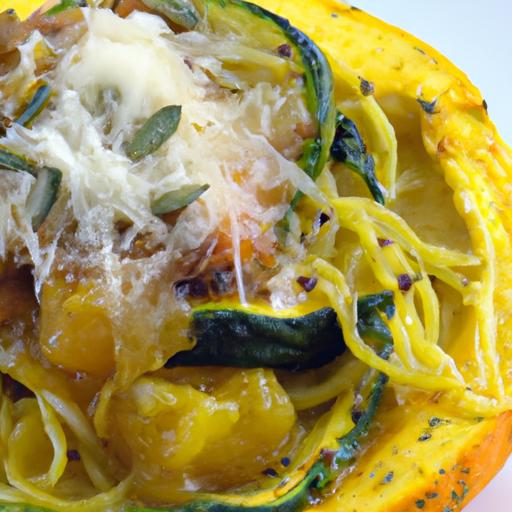

When it comes to satisfying pasta cravings without tipping the calorie scale, spaghetti squash emerges as a vibrant star on the culinary scene. This golden-hued vegetable not onyl mimics the delicate strands of traditional spaghetti but also offers a nutritious, low-calorie option that’s both versatile and flavorful. In this article, we’ll explore the calorie content of spaghetti squash and uncover why this smart twist on healthy pasta is winning over health enthusiasts and food lovers alike. Whether you’re counting calories or simply seeking a fresh way to enjoy your favorite sauces, spaghetti squash promises a delicious journey toward lighter, wholesome eating.
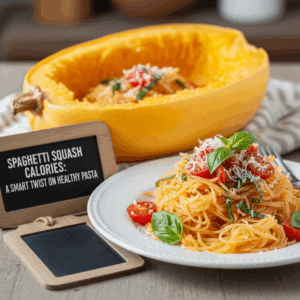
Spaghetti squash calories offer a delightful gateway to healthier eating without sacrificing the satisfaction of your favorite pasta dishes.Originating from North America, this vibrant yellow squash transforms when cooked into tender, spaghetti-like strands that soak up sauces and seasonings effortlessly. Years ago, I swapped traditional pasta for spaghetti squash in a family dinner-and it quickly became a celebrated staple, beloved for its light texture and subtle sweetness.
Prep and Cook Time
- Preparation: 10 minutes
- Cooking: 40 minutes
- Total: 50 minutes
Yield
- Serves 4 as a main dish
Difficulty Level
- Easy
Ingredients
- 1 medium spaghetti squash (about 3 pounds)
- 2 tablespoons olive oil
- 1 teaspoon sea salt
- ½ teaspoon freshly ground black pepper
- 2 cloves garlic, minced
- 1 cup marinara sauce (or your favorite pasta sauce)
- ¼ cup freshly grated Parmesan cheese
- Fresh basil leaves for garnish
Instructions
- Prepare the spaghetti squash: Preheat your oven to 400°F (200°C). Carefully slice the squash in half lengthwise using a sharp knife. Scoop out the seeds and stringy pulp with a spoon.
- Roast the squash: Drizzle olive oil over the cut sides of the squash, then sprinkle with sea salt and black pepper. Place face down on a baking sheet lined with parchment paper. Roast for 35-40 minutes until tender and easily pierced with a fork.
- Shred the flesh: Let the squash cool slightly. Using a fork, scrape the flesh into spaghetti-like strands. Transfer to a large bowl.
- Sauté the garlic: In a skillet over medium heat, warm a tablespoon of olive oil. Add minced garlic and sauté until fragrant and golden brown, about 2 minutes. Avoid burning for the best flavor.
- Combine and warm: Add the spaghetti squash strands to the skillet.Toss with marinara sauce and sautéed garlic for 3-4 minutes until warmed thru and flavors meld.
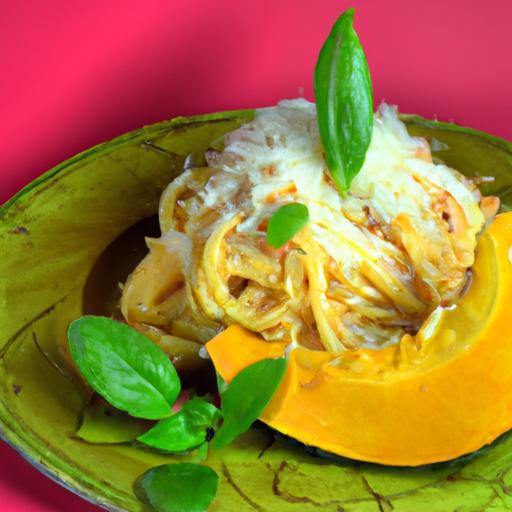
- Serve: Plate the spaghetti squash pasta,sprinkle generously with Parmesan cheese,and garnish with fresh basil leaves.
Tips to Maximize Flavor and Texture
- For quicker prep, microwave the squash halves face down for 10 minutes before roasting to soften the flesh.
- Roasting face down locks in moisture, creating tender, juicy strands.
- Experiment with different sauces-try pesto, creamy Alfredo, or a zesty arrabbiata for variation.
- Make-ahead tip: Roast and shred the squash up to 3 days in advance, storing in an airtight container in the fridge.
Serving suggestions
Enjoy this dish as a vibrant vegetarian main course or a light side. Pair it with grilled chicken or shrimp for added protein.Garnish with a sprinkle of crushed red pepper flakes for heat, toasted pine nuts for crunch, or a fresh squeeze of lemon to brighten the flavors.Serve on a rustic ceramic plate accompanied by crusty whole-grain bread and a crisp side salad for a complete balanced meal.

Spaghetti Squash Calories and Nutritional Breakdown
| Nutrient | Spaghetti Squash (1 cup) | Traditional Pasta (1 cup cooked) |
|---|---|---|
| Calories | 42 | 200 |
| Carbohydrates (g) | 10 | 43 |
| Fiber (g) | 2.2 | 2.5 |
| Protein (g) | 1 | 7 |
| Fat (g) | 0.4 | 1.3 |
Beyond just lower spaghetti squash calories, this vegetable shines with dietary fiber and essential micronutrients such as vitamin C, B vitamins, potassium, and manganese, all contributing to digestion support, heart health, and energy metabolism. Its low glycemic index also means your blood sugar levels remain steady, which is ideal for balanced meals and sustained energy.
For more creative ways to use nutrient-rich squash varieties,check out our Healthy Fall Vegetable Recipes. And for detailed info on spaghetti squash nutrition, visit this comprehensive guide from the USDA FoodData Central.
Q&A
Q&A: Spaghetti Squash Calories – A Smart Twist on Healthy Pasta
Q1: What makes spaghetti squash a smart alternative to traditional pasta?
A1: Spaghetti squash offers a low-calorie, nutrient-rich alternative to traditional pasta. When cooked, its flesh naturally separates into long, spaghetti-like strands, making it perfect for those craving pasta without the carb overload. Plus, it’s packed with vitamins A and C, fiber, and antioxidants!
Q2: How many calories are in a typical serving of spaghetti squash?
A2: A one-cup serving of cooked spaghetti squash contains roughly 40 calories. For comparison, the same serving of cooked regular pasta has about 200 calories, making spaghetti squash a light and guilt-free option.
Q3: Does spaghetti squash contain carbs like regular pasta?
A3: Yes, but in much smaller amounts. Spaghetti squash has about 10 grams of carbs per cup, compared to roughly 40 grams in traditional pasta. This makes it ideal for those watching their carb intake or following a low-carb lifestyle.
Q4: Can spaghetti squash help with weight loss?
A4: Definitely! With its low calorie and high fiber content, spaghetti squash can keep you full longer while helping reduce overall calorie consumption. It’s a smart twist on pasta that satisfies cravings without sacrificing your diet goals.
Q5: How can I prepare spaghetti squash to make it taste more like pasta?
A5: Roast or microwave the squash until tender, then scrape the flesh into strands with a fork. Toss it with your favorite pasta sauce, herbs, and a sprinkle of cheese or nutritional yeast. Experiment with garlic, olive oil, or roasted veggies for a comforting, pasta-like experience.
Q6: Is spaghetti squash suitable for people with dietary restrictions?
A6: Yes! It’s naturally gluten-free, vegan, and low in fat. It also fits well into paleo and keto diets when paired with appropriate toppings.Its versatility makes it a winner for nearly any dietary preference.
Q7: Where can I find the best spaghetti squash?
A7: Spaghetti squash is typically in season during fall and winter. Look for medium-sized squashes with firm,yellow skin and no soft spots. Farmers’ markets,grocery stores,and organic markets are great places to hunt for this nutritious gem.
Spaghetti squash transforms your plate with a clever twist on pasta – delicious, nutritious, and delightfully low-calorie.it’s not just a vegetable; it’s your new favorite kitchen sidekick that’s ready to revolutionize your meals!
Future Outlook
spaghetti squash offers more than just a clever culinary swap-it’s a gateway to savoring your favorite pasta dishes with fewer calories and more nutrients. By embracing this vibrant vegetable, you’re not only trimming the calorie count but also adding a fresh, wholesome twist to your meals. Whether you’re seeking weight-kind options or simply a delicious way to diversify your plate, spaghetti squash stands out as a smart, satisfying choice. So next time you crave comfort food, let this golden gourd inspire you to eat well without compromise-because healthy pasta doesn’t have to be boring.