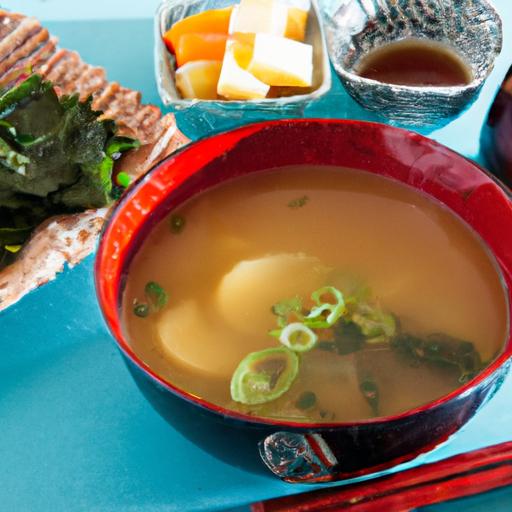


ThereS a humble bowl sitting quietly at the heart of Japanese cuisine, its warm aroma inviting, its flavor both simple and profoundly comforting. Miso soup, often underestimated as a mere starter, is in fact a nutritional powerhouse waiting to be explored. Beyond its delicate umami and time-honored tradition lies a treasure trove of health benefits, rich probiotics, and essential nutrients that can elevate your wellness journey in unexpected ways. In this deep dive, we unlock the secrets of miso soup-peeling back the layers of its ingredients, understanding its fermentation magic, and revealing why this ancient broth deserves a place in your modern diet.prepare to sip your way to a healthier you, one savory spoonful at a time.
Unlocking Miso Soup reveals a fascinating journey through centuries of japanese culinary tradition and wellness wisdom. This humble broth, brimming with umami richness from fermented soybeans, stands as a symbol of nourishment and cultural heritage, embraced daily across japan and revered globally. Its roots trace back over a thousand years, originally cherished by Buddhist monks for sustenance and spiritual clarity. Today,it is equally celebrated for its comforting aroma and potent health benefits-a perfect fusion of ancient practice and modern nutrition.
Prep and Cook Time
Preparation: 10 minutes
Cooking: 15 minutes
Total Time: 25 minutes
Yield
Serves 4 generous bowls
Difficulty Level
Easy – Perfect for beginners and enthusiasts alike
Ingredients
- 4 cups dashi stock (homemade or instant)
- 3 tablespoons white miso paste (preferably organic)
- 100g silken tofu, cut into ½-inch cubes
- 1/2 cup wakame seaweed, rehydrated and chopped
- 2 green onions, thinly sliced
- Optional: thinly sliced shiitake mushrooms, grated ginger
Instructions
- Heat the dashi stock in a medium-sized saucepan over medium heat until it simmers lightly. Avoid boiling vigorously to preserve delicate flavors.
- Place the miso paste in a small bowl and ladle about ½ cup of warm dashi into it. Whisk gently until a smooth slurry forms with no lumps.
- Return the miso mixture to the pot and stir gently to combine. Keep the heat low-do not boil after adding miso, as this diminishes its probiotic qualities and subtle aroma.
- Add the silken tofu cubes and wakame seaweed to the broth. Warm through for 2-3 minutes, allowing the seaweed to expand and the tofu to absorb the broth’s essence.
- Turn off the heat and stir in the sliced green onions. For a fragrant lift, sprinkle freshly grated ginger if desired.
- Serve promptly in warmed bowls to enhance the comforting experience.
Tips for Success
- Choose quality miso paste: White miso delivers a sweet, mellow taste; for deeper, earthier flavor, try red miso but adjust quantity to taste.
- Use fresh or homemade dashi: Traditional kombu and bonito flakes dashi is ideal. For a vegetarian version, kombu and shiitake mushroom broth works beautifully.
- handle miso gently: mixing miso into warm dashi slowly prevents clumps and preserves beneficial enzymes.
- Make ahead tips: Prepare dashi stock and tofu earlier but add miso paste last minute for peak flavor and health benefits.
Serving Suggestions
Miso soup is versatile: serve as a delicate starter or a light meal on its own. Garnish with finely sliced green onions and a few sesame seeds for texture and color contrast. accompany with steamed rice and pickled vegetables to celebrate a balanced Japanese-style meal. For a modern twist, add tender baby spinach or thin ribbons of carrot for a fresh crunch.
| Nutrient | per Serving (approx.) |
|---|---|
| Calories | 65 kcal |
| Protein | 5 g |
| Carbohydrates | 6 g |
| Fat | 2 g |
For a deeper understanding of the science behind fermented foods and their impact on gut health, visit the National Institutes of Health.
To explore more miso-based recipes and nutritional insights, check out our detailed guide on fermented foods benefits.

Q&A
Q&A: Unlocking Miso Soup – A Deep Dive into Its Nutritional Power
Q1: What exactly is miso soup, and why has it become such a beloved dish worldwide?
Miso soup is a traditional Japanese broth made primarily from dashi (a savory stock) and miso paste, wich is fermented soybean paste. This humble soup has captured hearts around the globe not just for its comforting umami flavor but also for its deep nutritional roots, boasting probiotics, protein, and a medley of vitamins that contribute to overall wellness.
Q2: How does fermentation enhance the nutritional value of miso soup?
Fermentation is the magic behind miso’s health-boosting powers. The fermentation process fosters beneficial bacteria known as probiotics, which support gut health and digestion. Additionally, fermentation breaks down complex nutrients into more digestible forms, increasing the bioavailability of vitamins and minerals in the soup.
Q3: What are the key nutrients found in miso soup?
Miso soup is a nutritional powerhouse packed with protein,B vitamins (especially B12 in some varieties),antioxidants,calcium,iron,and dietary fiber.Its low in calories and fat but rich in umami compounds that make it deeply satisfying.
Q4: Does miso soup offer any unique health benefits?
Absolutely! Regular consumption of miso soup has been linked to improved digestion, boosted immunity, and even cardiovascular benefits, thanks to its probiotic content and heart-friendly ingredients. Some studies suggest that fermented soy products like miso may help regulate blood pressure and support bone health.
Q5: Can miso soup fit into various diets,including vegan and gluten-free?
Yes,miso soup is incredibly versatile. Most miso pastes are vegan-friendly and gluten-free, but it’s wise to check labels since some miso blends might use barley or wheat. Traditional dashi sometimes contains fish, so plant-based versions often use kombu (seaweed) for the broth, making it accessible for diverse dietary needs.
Q6: How can I maximize the nutritional benefits when making or ordering miso soup?
To unlock miso soup’s full potential, consume it fresh and avoid boiling the miso paste directly, as excessive heat can kill beneficial probiotics. Incorporate nutrient-dense add-ins like tofu, seaweed, mushrooms, and green onions to boost vitamins and minerals, turning a simple bowl into a nutrient-rich elixir.
Q7: is there an ideal time or frequency to enjoy miso soup for optimal health benefits?
While miso soup can be enjoyed anytime, many consider it a perfect start to the day or a light, restorative meal at night. Consuming it regularly-several times a week-can help maintain gut health and provide a steady stream of beneficial nutrients.
Q8: Are there any considerations or cautions related to miso soup consumption?
Miso is naturally high in sodium, so those monitoring salt intake should enjoy it in moderation or seek low-sodium varieties. Also, individuals with soy allergies should avoid miso.As always,balance is key in any diet.
Q9: What makes miso soup more than just a comforting dish?
miso soup is a living bowl of tradition and science-a blend of centuries-old culinary art and modern nutrition. Beyond its warm flavors, it embodies microbial harmony and nutrient richness that nourish the body and soul, unlocking a healthful experience in every sip.
Q10: How can I explore miso soup creativity while keeping its nutritional essence intact?
Experiment with different types of miso (white, red, or mixed) to vary flavor intensity and nutrient profiles.Add seasonal vegetables, freshly chopped herbs, or even grains like quinoa for a wholesome twist. The key is to maintain the gentle cooking with minimal heat on miso itself and savor the layered nutritional symphony in your bowl.
Key Takeaways
As we’ve unraveled the layers of miso soup-from its ancient fermentation roots to the powerhouse of nutrients simmering in every bowl-it becomes clear that this humble dish is far more than a comforting appetizer. Miso soup stands as a testament to the art of blending tradition with nutrition, offering a delicious way to nurture your body and mind. Whether your seeking gut-friendly probiotics,a boost of antioxidants,or a flavorful source of essential vitamins,miso soup delivers with quiet confidence.So next time you sip that warm, savory broth, remember: you’re partaking in a timeless elixir that nourishes not just the palate, but the very core of your well-being.