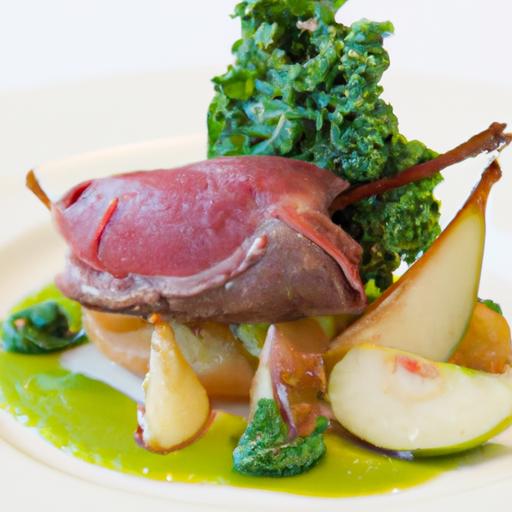

Beneath its glossy, ruby-hued skin lies a world of rich flavors and culinary possibilities-duck breast, a prized delicacy that bridges rustic farm life and elegant dining tables alike. From the tranquil ponds where ducks wade to the sizzling skillet where their meat transforms into a tender masterpiece, the journey of duck breast is as captivating as its taste is complex.In this article, we embark on a savory exploration that decodes every step of this journey-from the nuances of breed and feeding practices to expert cooking techniques and pairing secrets-inviting both curious food lovers and seasoned chefs to savor duck breast in an entirely new light.
Decoding Duck Breast invites you on a flavorful expedition where tradition meets culinary creativity. This exquisite cut, celebrated worldwide for its rich taste and tender texture, holds a fascinating heritage that dates back centuries. Frequently enough sourced from breeds like the Pekin or Moulard duck, duck breast has cemented its place as a gourmet staple in French haute cuisine and beyond. From rustic farm origins to the refined plates of Michelin-starred chefs, mastering this ingredient elevates any kitchen experience.
Prep and Cook Time
- Preparation: 15 minutes
- Cooking: 12-15 minutes
- Total Time: 30 minutes
Yield
Serves 2 elegantly portioned duck breast meals
Difficulty Level
Medium – Perfect for cooks looking to refine their technique
Ingredients
- 2 fresh duck breasts (approximately 6-7 oz each), skin-on
- 1 tsp sea salt
- 1/2 tsp freshly ground black pepper
- 1 tbsp vegetable oil (or duck fat for enhanced flavor)
- 2 sprigs fresh thyme
- 2 cloves garlic, lightly crushed
- 1/4 cup dry red wine (optional, for deglazing)
- 1 tbsp unsalted butter (to finish sauce)
Instructions
- Score the Skin: Using a sharp knife, gently score the duck breast skin in a criss-cross pattern without cutting into the meat. this helps render the fat evenly and crisps the skin beautifully.
- Season Generously: rub both sides of the duck breasts with sea salt and black pepper, allowing the flavors to penetrate the skin and meat.
- Preheat Your Pan: Heat a heavy skillet over medium heat. Add the vegetable oil or duck fat to coat the base evenly.
- Cook Skin-Side Down: Place the duck breasts skin-side down-hear the satisfying sizzle. Sauté undisturbed for 7 to 9 minutes until the skin turns golden-brown and crispy. Adjust heat as needed to avoid burning.
- Flip and Add Aromatics: Turn the breasts over and toss in thyme sprigs and garlic cloves. Sear the meat side for 4 to 6 minutes for medium-rare, or longer if you prefer it more cooked.
- Rest Your Meat: Remove duck from pan and rest on a warm plate covered loosely with foil for 5 minutes to retain juices.
- Deglaze the Pan: Pour red wine into the hot pan, scraping up any browned bits with a wooden spoon. Reduce by half, then whisk in butter for a glossy, rich sauce.
- Slice and Serve: Using a sharp knife, slice the duck breast thinly against the grain. Plate gracefully and drizzle with the pan sauce for maximum flavor impact.
Chef’s Notes: Tips for Success
- For best results, let duck breasts come to room temperature before cooking, ensuring even doneness.
- don’t rush the skin rendering stage-patience is key to perfect crispness and succulent meat.
- if unavailable, substitute dry red wine with balsamic vinegar or pomegranate molasses for a tangy glaze.
- Make-ahead tip: Brine duck breasts in a mix of water, salt, and sugar for 1 hour to enhance juiciness and tenderness.
- Use a meat thermometer; 135°F (57°C) signals ideal medium-rare duck breast.
Serving Suggestions
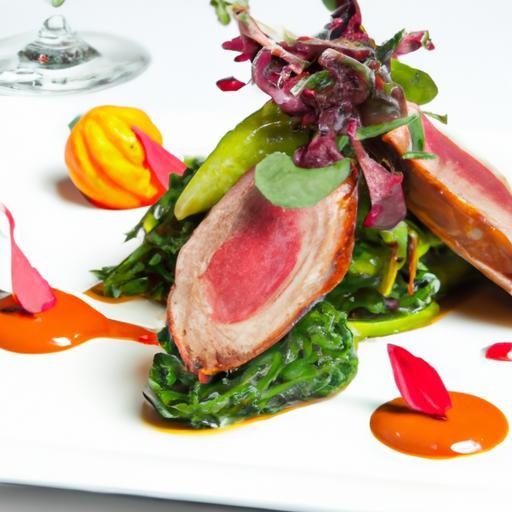
Breathe new life into your duck breast presentation with vibrant accompaniments. Serve atop a creamy parsnip purée or roasted root vegetables for earthy complements. Garnish with fresh thyme sprigs and a bright scatter of pomegranate seeds for jewel-like contrast that awakens the palate. A glass of Pinot Noir or a fruity Syrah pairs beautifully, balancing the richness with soft tannins and berry notes.

| Nutrient | Per Serving |
|---|---|
| Calories | 420 kcal |
| Protein | 34 g |
| Carbohydrates | 2 g |
| Fat | 30 g |
Looking for more inspiration? Explore our guide to game bird differences or dive deeper into duck farming practices at the National Duck Board.
Q&A
Q&A: Decoding Duck Breast – A Savory Journey from farm to Fork
Q1: What makes duck breast so special compared to other poultry?
A: Duck breast stands apart thanks to its rich, gamey flavor and luscious, tender texture. unlike chicken or turkey, duck boasts a higher fat content beneath its skin, which renders beautifully to provide crispiness while keeping the meat juicy-offering a multi-dimensional taste experience that’s both hearty and refined.
Q2: Where does duck breast typically come from on the farm?
A: Duck breast is the pectoral muscle of the bird, located on either side of the breastbone.On farms, ducks are raised not just for their meat but also for eggs and feathers, but the breast meat is prized for culinary use due to its size and flavor profile. Heritage breeds like Muscovy or Pekin ducks are especially favored for their distinctive taste.
Q3: How does the duck’s diet influence the final flavor of the breast?
A: Like many meats, duck breast flavor is a reflection of the bird’s environment and diet.Ducks raised outdoors with access to natural forage develop deeper,more nuanced tastes-notes of grass,seeds,or even subtle earthiness come through. In contrast, farmed ducks fed on grains may yield a milder, more consistent flavor profile.
Q4: What are the key steps in preparing duck breast to highlight its savory qualities?
A: Preparation is where art meets science. Scoring the skin before cooking helps the fat render out, producing a crispy, golden crust. Cooking duck breast skin-side down first, at moderate heat, allows the fat to melt slowly, while finishing in the oven ensures a juicy center. Season simply with salt, pepper, and complementary herbs or fruit-based sauces to underline the meat’s natural savoriness.
Q5: Can duck breast be enjoyed in various culinary traditions around the world?
A: Absolutely! From the classic French magret de canard paired with plum sauce, to the perfectly seared duck breast in Chinese cuisine with hoisin or five-spice, this ingredient is wonderfully versatile. It adapts seamlessly to bold, sweet, or spicy flavors, traversing from rustic farm tables to gourmet restaurant menus worldwide.
Q6: What should diners look for when selecting duck breast at the market?
A: Fresh duck breast should have firm, plump flesh with a layer of creamy white fat beneath the skin. The skin should be intact and not bruised, and the meat will typically have a rich pink to reddish hue. Opt for locally sourced or ethically raised duck where possible-sustainability and animal welfare influence both quality and taste.
Q7: Why is understanding the journey “from farm to fork” meaningful when enjoying duck breast?
A: Knowing the pathway your food travels enriches the dining experience.Understanding the care in raising the duck, the nuances in its diet, and the skill in preparing its breast meat connects you to the story behind each bite. It transforms eating into a celebration of nature,craft,and culture-a savory journey worth savoring.
In Conclusion
As we close the chapter on our savory journey from farm to fork, the humble duck breast reveals itself not just as a cut of meat, but as a storyteller of tradition, technique, and taste. From the careful nurturing of the ducks in their natural habitats to the skilled hands that prepare each breast with precision, every step adds a layer of richness to the final dish.