
there’s a certain magic in the sizzle of duck breast hitting a hot pan-the moment when tender flesh meets crackling skin, the aroma instantly capturing your senses and promising a feast unlike any other. Mastering the art of seared duck breast is more than just a cooking technique; it’s an invitation to embark on a flavor journey that balances rich, succulent meat wiht crispy, golden perfection. In this article,we’ll dive deep into the essentials of selecting the perfect duck,unlocking the secrets to crisp skin,and layering complementary flavors that elevate this classic dish from simple to sublime.
Mastering the Art of Seared Duck Breast unlocks the nuanced flavors and textures that make this dish a remarkable centerpiece for any meal. The key to achieving that perfect balance between a golden, crispy skin and a succulent, juicy center lies in selecting superior duck breast and applying the right techniques. From choosing prime cuts to pairing savory sauces and vibrant sides,every step enhances this timeless culinary journey.
Prep and Cook Time
- Preparation: 15 minutes
- Cooking: 20 minutes
- Total Time: 35 minutes
Yield
- Serves 2 to 3 people
Difficulty Level
- Medium – requires attention to detail but achievable for home cooks
Ingredients
- 2 duck breasts, skin-on, about 6-8 oz each, preferably fresh and well-ripened
- 1 teaspoon kosher salt
- ½ teaspoon freshly ground black pepper
- 1 sprig fresh thyme
- 1 garlic clove, crushed
- 1 tablespoon unsalted butter
- 1 tablespoon olive oil
- For the sauce: ¼ cup red wine (Merlot or Pinot Noir)
- 2 tablespoons chicken stock
- 1 teaspoon balsamic vinegar
- 1 teaspoon honey
- Optional sides: roasted fingerling potatoes, sautéed garlic green beans, or a fresh pomegranate salad
Instructions
- prepare the duck breasts: Score the skin in a fine crosshatch pattern without cutting into the meat. This renders fat efficiently and creates that luxurious crispiness.
- Season generously: Sprinkle kosher salt and black pepper evenly on both sides, allowing the salt to draw out moisture while enhancing flavor. Let rest at room temperature for 10 minutes.
- Heat the pan: Choose a heavy skillet or cast iron pan. Turn to medium heat and add the olive oil. Wait until the oil shimmers but doesn’t smoke.
- Start with skin-down searing: place the breasts skin side down gently in the pan. Do not move for 6-7 minutes; this ensures an even, crackling golden crust.
- Release rendered fat: As the fat renders,tilt the pan carefully and spoon out excess oil into a heat-safe bowl to keep the skin from becoming soggy.
- Flip the breasts: turn the duck over once the skin is crispy. Add the butter, thyme, and garlic clove to the pan. Use a spoon to baste the duck continuously, deepening the flavor and maintaining juiciness.
- Cook to desired doneness: For medium-rare, cook the duck breast about 3-4 minutes on the flesh side. Adjust time if you prefer medium or well-done.
- Rest the meat: Transfer the duck breasts to a cutting board and tent loosely with foil. Rest 5-7 minutes to redistribute juices.
- Make the pan sauce: Remove excess fat, deglaze the skillet with red wine, scraping browned bits. Add chicken stock,balsamic vinegar,and honey. Reduce by half until silky, then strain.
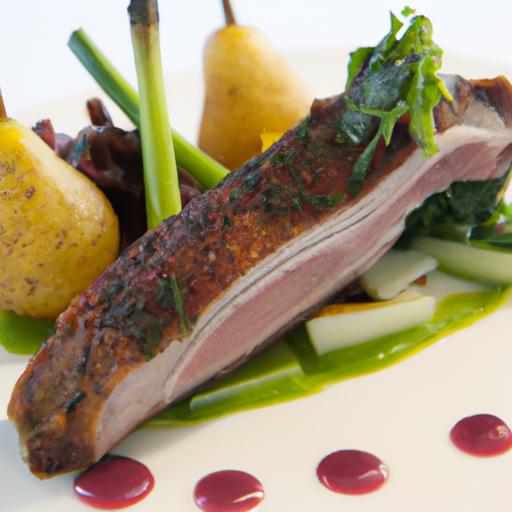
- Slice and serve: cut duck breasts thinly against the grain. Drizzle warm pan sauce over slices and present with your chosen sides and garnishes for stunning visual and flavor contrast.
Tips for Success
- Choosing duck: Opt for fresh, preferably farm-raised duck breasts with a thick layer of fat and tight skin for maximum crispiness and rich flavor.
- Ensuring crisp skin: Always start skin-side down in a cold pan to allow fat to render slowly; avoid high heat initially which can burn the skin prematurely.
- Temperature matters: Aim for an internal temperature of 135°F (57°C) for medium-rare. Use an instant-read thermometer to guarantee perfect doneness.
- Resting is crucial: Cutting instantly after cooking will cause precious juices to escape, drying out the breast.
- Sauces and sides: Complement with acidity (like pomegranate seeds or vinegar-based sauces) to cut through the richness of the duck.
- Make-ahead note: duck breasts are best enjoyed fresh but can be chilled in an airtight container and gently reheated in a low oven (275°F/135°C) wrapped in foil to maintain texture.
Serving Suggestions
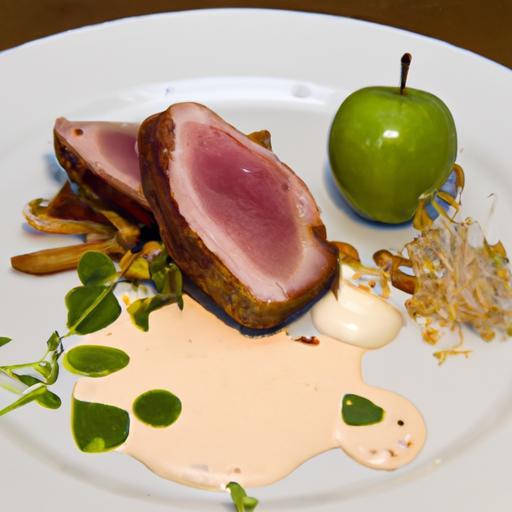
arrange slices artfully fanned out on warmed plates.Garnish with fresh thyme sprigs and a few jewel-like pomegranate seeds for a pop of color and accentuated tartness. Serve alongside roasted garlic fingerling potatoes tossed in rosemary or crisp sautéed green beans with slivers of toasted almonds for texture contrast. Drizzle the luscious red wine reduction sauce generously for a restaurant-quality finish that delights every palate.

| Nutrient | Amount per Serving |
|---|---|
| Calories | 420 kcal |
| Protein | 35 g |
| Carbohydrates | 5 g |
| Fat | 30 g |
For more inspiration on pairing rich proteins with elegant sauces, check out our duck confit with orange sauce recipe. Learn about the health benefits of duck fat and cooking methods at Encyclopedia Britannica.

Q&A
Q&A: Mastering the Art of Seared Duck Breast – A Flavor Journey
Q1: Why is duck breast considered a gourmet delight?
A: Duck breast boasts a rich, gamey flavor that sets it apart from more commonly cooked poultry like chicken or turkey. Its tender meat combined with a crispy, well-rendered skin creates a symphony of textures and tastes that can transform any meal into an elegant culinary experience.
Q2: What’s the secret to achieving the perfect sear on duck breast?
A: Patience and temperature control are key. Start by scoring the skin gently to help the fat render out evenly. Place the duck breast skin-side down in a cold pan-this allows the fat to slowly melt and the skin to crisp without burning. Maintain medium heat, rendering that golden crust while keeping the meat juicy inside.
Q3: How do you ensure the duck breast stays tender and juicy?
A: Searing is only half the story. After developing that gorgeous crust,finish cooking the duck breast in a warm oven or allow it to rest briefly on a warm plate. Resting lets the juices redistribute, resulting in tender, succulent bites that burst with flavor.
Q4: Are there any must-have accompaniments or sauces?
A: Absolutely! Duck pairs beautifully with fruit-based sauces-think tart cherry, orange glaze, or blackcurrant reduction-that balance its richness. Root vegetables, wild rice, or a simple arugula salad with a citrus vinaigrette can elevate the dish and lend fresh contrast.
Q5: Can home cooks without professional experience master this technique?
A: Definitely. Seared duck breast may sound intimidating, but with attention to detail and practice, home chefs can unlock its secrets. Remember, timing and temperature matter more than fancy gadgets. Approach it as an art form; each attempt will deepen your understanding of this luscious meat.
Q6: how does mastering duck breast open up new flavor explorations?
A: Once cozy with searing duck breast, you’re invited to experiment-smoke it, spice it with exotic rubs, or pair it with unconventional ingredients like pomegranate molasses or ginger. Each variation takes you further along the flavor journey, expanding your culinary horizons while honoring this sophisticated protein.
Q7: Any final advice for aspiring duck breast aficionados?
A: embrace the process and savor every step. Duck is as much about sensation as it is technique-the sound of sizzling fat, the aroma of caramelizing skin, the burst of juicy richness on your tongue. Master the basics, then let your creativity soar. Your palate will thank you.
Insights and Conclusions
As you close this flavorful chapter on mastering the art of seared duck breast, remember that each step-from scoring the skin to nailing that perfect medium-rare finish-is a brushstroke in your culinary canvas. This is more than just cooking; it’s an invitation to explore layers of rich, succulent taste and texture that only duck can offer. With practice and passion,the once-daunting task becomes a confident ritual,turning your kitchen into a stage were every seared breast tells a story of patience,technique,and indulgence. So go forth, embrace the sizzle, and let your palate embark on a journey where tradition meets innovation, one exquisite bite at a time.