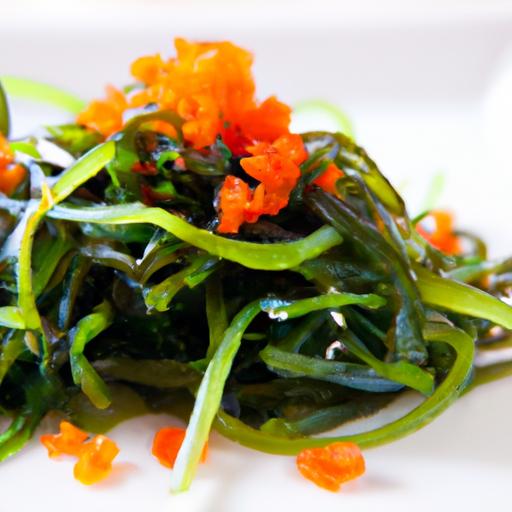

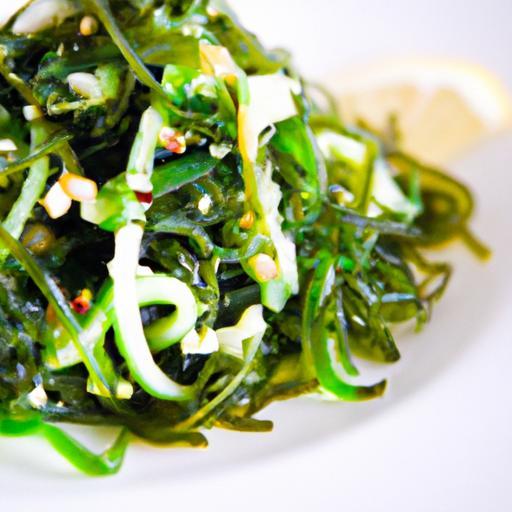
Beneath the shimmering waves and along rocky shorelines thrives a vibrant, often overlooked treasure of the sea: seaweed.Long celebrated in coastal cuisines and ancient remedies, seaweed salad is now making waves in health circles worldwide, hailed as an oceanic superfood bursting with nutrients. But what exactly makes this emerald-hued dish more than just a tasty side? Dive with us into the world of seaweed salad, exploring its rich nutritional profile, unique flavors, and surprising benefits that have earned it a growing reputation as a powerhouse on the plate.
Seaweed salad is a vibrant, nutrient-packed oceanic superfood that has captured the attention of health enthusiasts and culinary explorers around the globe. Originating from the coastal cuisines of Japan and Korea, this refreshing salad combines the earthiness of the sea with bright, tangy flavors that awaken the palate. Its rich umami profile, combined with a wealth of vitamins, minerals, and antioxidants, makes seaweed salad not just delicious but a powerhouse of nutrition. Whether you’re new to seaweed or a seasoned fan, mastering this recipe will add a burst of oceanic goodness to your table.
Prep and Cook Time
Total Time: 15 minutes | Prep Time: 10 minutes | Cook Time: 5 minutes (optional for wakame rehydration)
Yield
serves 4 as a refreshing side dish or appetizer
Difficulty Level
Easy: Perfect for beginners and experienced cooks alike
Ingredients
- 1 cup dried wakame seaweed (or 3 cups fresh wakame,rinsed and drained)
- 1 tablespoon toasted sesame oil
- 2 tablespoons rice vinegar
- 1 teaspoon soy sauce (use tamari for gluten-free option)
- 1 teaspoon honey or agave syrup
- 1 teaspoon toasted sesame seeds
- 1 small cucumber,thinly sliced
- 2 scallions,finely chopped
- 1 teaspoon freshly grated ginger
- Optional: pinch of red pepper flakes or a few thin strips of carrot for color and crunch
Instructions
- Rehydrate the seaweed: Place dried wakame in a large bowl and cover with warm water. Let it soak for 5-7 minutes until tender and expanded.Drain and squeeze out excess water gently to avoid mushiness.
- Prepare the dressing: In a small bowl, whisk together toasted sesame oil, rice vinegar, soy sauce, honey, and grated ginger. Adjust sweetness or tanginess to taste for a balanced zing.
- Assemble the salad: In a serving bowl, combine the rehydrated wakame, sliced cucumber, scallions, and (if using) carrot strips. Pour the dressing over and toss gently to coat all ingredients evenly.
- Toast the sesame seeds: In a dry skillet over medium heat,toast sesame seeds for 2-3 minutes until golden and fragrant,stirring occasionally to prevent burning.
- Finish and serve: Sprinkle toasted sesame seeds and red pepper flakes (if using) on top for a burst of flavor and color. Serve chilled or at room temperature.
Tips for Success
- Choosing the best seaweed: Wakame is classic and mild,perfect for salads. For a nuttier flavor, try hijiki or arame as a variation, but soak and cook according to package instructions.
- Enhancing texture: Avoid over-soaking the seaweed to maintain a firm bite. Pair with crunchy cucumbers or carrots to contrast the soft, silky seaweed texture.
- Make-ahead tip: Prepare the seaweed and dressing separately and toss together just before serving to keep freshness intact.
- Flavor boost: Add a splash of yuzu juice or a sprinkle of shichimi togarashi for an exciting twist on the classic flavor profile.
Serving Suggestions
Serve your seaweed salad as a light appetizer alongside sushi rolls or grilled fish, or add a protein like tofu or shrimp for a nourishing meal. Garnish with extra sesame seeds, thinly sliced nori strips, or microgreens for visual appeal and layered texture. For an authentic Japanese touch,accompany it with pickled ginger and steamed jasmine rice on the side.

Nutrition per Serving
| Calories | Protein | Carbohydrates | Fat |
|---|---|---|---|
| 95 | 3g | 12g | 4g |
Explore related flavors in our Umami-Rich Miso Soup Recipe, wich complements seaweed salad beautifully. For more on the science of seaweed’s nutrition, visit the NCBI study on seaweed bioactive compounds.

Q&A
Q&A: Seaweed Salad – A Nutrient-Packed Oceanic Superfood?
Q1: What exactly is seaweed salad?
A1: Seaweed salad is a vibrant dish commonly made from various types of edible seaweed, such as wakame, kombu, or arame. Frequently enough tossed with sesame oil, vinegar, soy sauce, and sprinkled with sesame seeds, it’s a refreshing and flavorful appetizer popular in Japanese and Korean cuisines.
Q2: Why is seaweed considered a superfood?
A2: Seaweed earns its superfood status thanks to its impressive nutrient profile. It’s loaded with vitamins A, C, E, and K, packed with iodine-which supports thyroid health-and rich in antioxidants, fiber, and trace minerals like calcium and iron. these nutrients collectively boost immunity, aid digestion, and support metabolic functions.
Q3: How does seaweed salad benefit our health?
A3: Eating seaweed salad can enhance your health in many ways. It supports thyroid function due to its natural iodine content, helps maintain healthy skin with its antioxidants, promotes gut health with its fiber, and can even aid in weight management thanks to its low calorie yet nutrient-dense nature. Plus, some compounds in seaweed have anti-inflammatory and antiviral properties.
Q4: Can everyone eat seaweed salad safely?
A4: While seaweed salad is generally safe and healthy, those with thyroid conditions or iodine sensitivities should moderate their intake and consult a healthcare professional. Also,because seaweed can absorb heavy metals from the ocean,sourcing from clean,trustworthy suppliers is essential.
Q5: How can I incorporate seaweed salad into my diet creatively?
A5: Beyond the classic preparation, try adding seaweed salad atop grain bowls, blending it into smoothies for a nutrient boost, or using it as a unique topping for avocado toast. Its umami-rich flavor can also elevate seafood dishes or be paired with fresh fruits like mango for a tropical twist.
Q6: Is seaweed salad enduring and eco-pleasant?
A6: Absolutely! Seaweed farming has a relatively low environmental impact,requiring no fresh water or fertilizer. It helps combat ocean acidification and supports marine biodiversity. choosing sustainably harvested seaweed not only benefits your health but also the planet.
Q7: Any tips for choosing or storing seaweed salad?
A7: look for seaweed salad with vibrant color, fresh aroma, and no sliminess. If buying pre-packaged, check for preservatives or excessive sodium. Store it in an airtight container in the fridge, and consume within a few days for the best texture and flavor.
Dive into the ocean’s bounty with seaweed salad-a small dish bursting with big nutrition and endless culinary possibilities!
Concluding remarks
Whether tossed atop sushi or savored as a vibrant side, seaweed salad is more than just a flavorful oceanic treat-it’s a treasure trove of nutrients waiting to be discovered. Bursting with vitamins,minerals,and antioxidants,this humble marine marvel invites us to look beyond the land for our superfoods. as we embrace the bounty of the sea,seaweed salad emerges not only as a delicious dish but as a sustainable,healthful addition to modern diets. So next time you’re seeking a fresh, nutrient-packed boost, remember: sometimes, the healthiest ingredients come from the depths of the ocean.