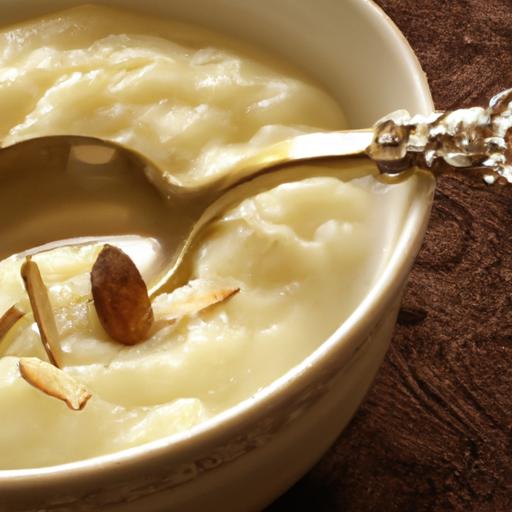

in the vast and vibrant tapestry of Indian cuisine, few desserts evoke as much nostalgia and delight as kheer. This luscious, creamy pudding – simmered slowly with fragrant rice, cardamom, and a generous swirl of milk – has graced celebratory tables and humble homes alike for centuries. More than just a sweet treat,kheer embodies tradition,culture,and the warm spirit of Indian hospitality. Join us as we dive into the story behind this timeless dessert, uncovering its rich history, regional variations, and the simple pleasures that continue to make kheer a beloved indulgence across generations.
Kheer, the creamy Indian dessert, carries centuries of tradition and warmth in every luscious spoonful. Steeped in history, this velvety rice pudding is more than just a sweet treat-it is indeed a symbol of celebration, hospitality, and cultural heritage across India. From royal Mughal courts to humble village kitchens, kheer’s enchanting aroma and silky texture evoke nostalgia and joy.
Origins and Cultural Significance of Kheer in Indian Traditions
Kheer’s roots can be traced back to ancient Indian scriptures and Ayurvedic texts, where boiled rice sweetened with milk was cherished for its nourishing qualities. it has long been an indispensable offering at religious ceremonies, weddings, and festivals such as Diwali and Raksha Bandhan. In many households, preparing kheer is an act of devotion, embodying the spirit of abundance and togetherness.
Exploring Regional Variations and Unique Ingredient Twists
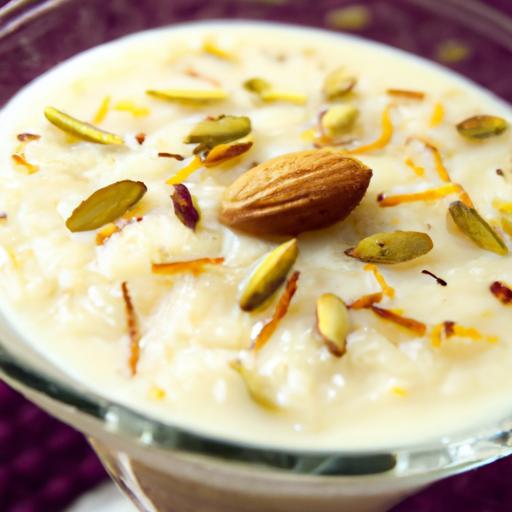
while the essence of kheer remains consistent, regional variations add exciting diversity.In Bengal, payesh incorporates fragrant cardamom and jaggery, sometimes garnished with crunchy chhena (cottage cheese) bits. South India boasts pal payasam, often enriched with coconut milk and tempered with cashews and raisins. The Punjabi style might feature thickened milk infused with saffron and garnished heavily with pistachios and almonds, adding a regal touch. Creative chefs today experiment with quinoa, millets, or even rose water and exotic spices, offering innovative twists while honoring tradition.
Step by Step Guide to Crafting the Perfect Creamy Kheer at Home
Crafting the ideal kheer need not be daunting.Follow this detailed recipe to achieve a luxuriously creamy texture, balanced sweetness, and aromatic depth right in your own kitchen.
Prep and Cook Time
- Preparation: 10 minutes
- Cooking: 40 minutes
- Total Time: 50 minutes
Yield
- Serves 4-6
Difficulty Level
- Easy
Ingredients
- 1/2 cup basmati rice, rinsed and soaked for 30 minutes
- 1 liter full-fat milk (preferably whole milk for richness)
- 3/4 cup sugar (adjust to taste)
- 1/4 teaspoon green cardamom powder
- 10-12 cashews, broken
- 10-12 almonds, sliced
- 10 golden raisins
- 1 tablespoon ghee
- A few strands of saffron (optional, for color and aroma)
- 1 teaspoon rose water (optional)
Instructions
- Drain the soaked rice and set aside.
- Heat ghee in a heavy-bottomed pan over medium flame. Add cashews and almonds; sauté until golden, about 3-4 minutes. Add raisins and cook until they plump up, then remove all nuts and raisins, keeping aside.
- Pour the milk into the same pan and bring it to a gentle boil. Reduce heat to low, stirring occasionally to prevent milk from sticking or burning.
- Add the drained rice to the simmering milk. Cook uncovered on low heat, stirring frequently, until rice softens and milk thickens-roughly 30-35 minutes. Patience here is key to a perfectly creamy texture.
- Stir in sugar and green cardamom powder. Continue to simmer for 5 minutes until sugar dissolves entirely.
- Add saffron strands soaked in a teaspoon of warm milk,stirring to infuse aroma and a lovely golden hue.
- Remove from heat, stir in rose water if using, and fold in half of the fried nuts and raisins.
- Cover and let the kheer rest for 10 minutes before serving, allowing flavors to meld beautifully.
Tips for success
- Use a heavy-bottomed pan to prevent milk from scorching.
- Maintain a low simmer throughout cooking to develop creamy consistency.
- Soaking rice softens grains, ensuring kheer cooks evenly and pleasantly.
- Adjust sugar after tasting to suit your preference or try jaggery for a rustic depth.
- Store leftovers in the refrigerator for up to 3 days; reheat gently with a splash of milk.
Serving Suggestions
Serve warm or chilled in elegant bowls or clay pots for an authentic touch. garnish generously with remaining nuts,fresh rose petals,or a sprinkle of edible silver leaf (vark) to elevate presentation. Kheer pairs beautifully alongside conventional Indian sweets like gulab jamun and savory snacks such as samosas during festivals. For a modern twist, top with toasted coconut flakes or blend with tropical fruits like mango for a refreshing summer rendition.
| nutrient | Per Serving (approx.) |
|---|---|
| Calories | 280 kcal |
| protein | 6 g |
| Carbohydrates | 40 g |
| Fat | 8 g |

Discover more about delicate Indian desserts and their cultural stories in our Indian Desserts Guide. For in-depth culinary history, the Encyclopedia Britannica on Kheer offers authoritative insights.
Q&A
Q&A: Kheer – The Creamy Indian Dessert with a timeless Charm
Q: What exactly is Kheer?
A: is a luscious, creamy rice pudding that holds a special place in Indian culinary heritage. Made by simmering rice, milk, and sugar, it transforms into a velvety dessert frequently enough infused with fragrant cardamom, saffron, and sprinkled with nuts like cashews and almonds.Think of it as the soul-soothing sweetness that celebrates tradition with every spoonful.
Q: Where did Kheer originate, and how old is this dessert?
A: Kheer’s origins trace back to ancient Indian kitchens, with mentions in classical texts and temple offerings dating hundreds of years ago. it’s believed to have royal roots, having been served in palaces as a symbol of prosperity and celebration. Its timeless charm lies in its simple ingredients and versatile recipe, which has been lovingly passed from generation to generation.
Q: what makes Kheer so special compared to other desserts?
A: Beyond its creamy texture and delightful aroma, Kheer embodies the spirit of Indian hospitality and celebration. It’s more than a dessert-it’s a ritual of togetherness during festivals, weddings, and special occasions.Its gentle sweetness and aromatic warmth evoke comfort, making it both a humble everyday treat and a festive indulgence.
Q: Are there regional variations of Kheer across India?
A: Absolutely! While the core ingredients remain consistent, subtle regional twists add unique flavors. For example, in Bengal, it’s called “Payesh,” frequently enough richer and infused with cardamom and bay leaves.In South India, a similar preparation called “Payasam” might include jaggery rather of sugar, and sometimes coconut milk. Each variant tells its own story, flavored by local traditions and ingredients.
Q: Can Kheer be made with alternatives to rice?
A: Yes! Even though rice is classic,kheer recipes also use vermicelli (seviyan),broken wheat (dalia),or even lentils like moong dal to craft different textures and tastes. Thes variations offer delightful alternatives while maintaining the creamy, comforting essence of kheer.
Q: How is Kheer typically served?
A: can be enjoyed warm, right off the stove, comforting and soothing during colder days. Alternatively, it’s often chilled, especially during summer festivals, making it refreshingly cool and satisfying. Garnished with crunchy nuts and fragrant saffron strands, it’s as visually appealing as it is indeed delicious.
Q: Is Kheer a healthy dessert option?
A: While Kheer is rich and creamy,it can be made wholesome by using low-fat milk or natural sweeteners like jaggery or honey. The nuts and spices add nutritional benefits,from healthy fats to antioxidants. Like any dessert, moderation is key, but kheer offers a nourishing, homemade treat far removed from processed sweets.
Q: What occasions traditionally call for Kheer?
A: reigns supreme at Indian festivals like Diwali, Raksha Bandhan, and weddings. It is indeed also prepared as an offering in religious ceremonies, symbolizing purity and blessing. Serving kheer is an act of love,marking joyous moments with its sweet embrace.
Q: Can Kheer be adapted for modern, health-conscious eaters?
A: Definitely! Modern twists include using choice milks like almond or coconut milk, reducing sugar content, or adding superfoods like chia seeds and quinoa.These innovations keep kheer’s heart intact while catering to contemporary tastes and dietary needs.
from temple rituals to royal feasts,Kheer’s creamy allure continues to capture hearts worldwide. Its timeless charm lies in the perfect blend of simplicity and richness – a dessert that’s not just eaten, but cherished.
Future Outlook
As the last spoonful of kheer melts on your tongue, you’re reminded that this timeless dessert is more than just a sweet treat-it’s a celebration of heritage, patience, and the art of simple, soulful cooking. From festive gatherings to quiet evenings, kheer’s creamy texture and delicate flavors continue to enchant taste buds across generations, inviting us to savor a piece of India’s rich culinary tapestry. whether enjoyed warm or chilled, the humble kheer remains a testament to how tradition and taste blend seamlessly, making every bite a journey into the heart of Indian culture.