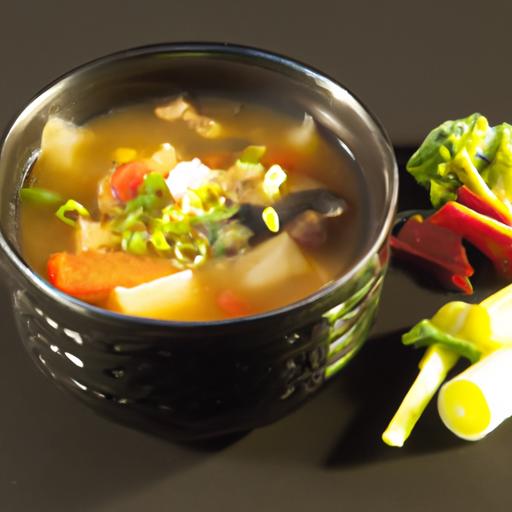

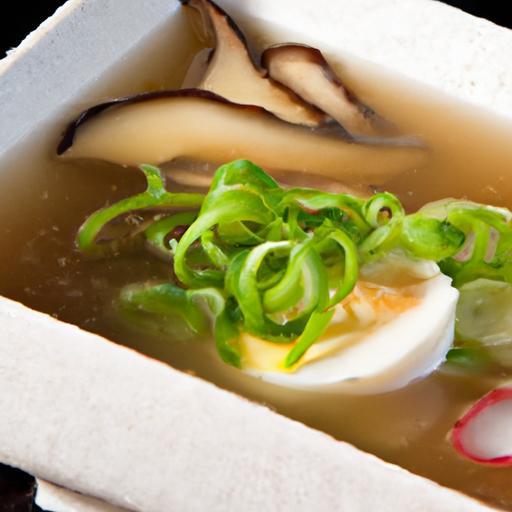
Miso soup, with its comforting warmth and delicate umami flavor, has long been a beloved staple in Japanese cuisine and beyond. But beyond its soothing taste and cultural richness lies a question that intrigues many-just how many calories are tucked inside that humble bowl? In this article, we’ll peel back the layers of miso soup’s nutritional profile, revealing not only its calorie count but also the factors that influence it. Join us as we unlock the mystery behind this timeless broth, blending tradition with science to help you savor every spoonful with both delight and insight.
Unlocking the Mystery: How Many Calories Are in Miso Soup? invites you on a culinary journey to appreciate this iconic Japanese dish beyond its savory flavor. Miso soup, rooted deeply in Japan’s centuries-old traditions, offers a comforting, umami-packed sip that is both nourishing and delightfully light. But what makes this broth a true nutritional powerhouse? Exploring the factors that influence its calorie content and health benefits reveals how this simple dish adapts wonderfully into a balanced diet.
Prep and Cook Time
Prep Time: 10 minutes
Cook Time: 15 minutes
Total Time: 25 minutes
yield
serves 4
Difficulty Level
Easy – Perfect for beginners and anyone seeking a quick,healthy meal option
Ingredients
- 4 cups dashi stock (homemade or instant granules reconstituted)
- 3 tablespoons white miso paste (shiro miso)
- ½ cup silken tofu,diced into ½-inch cubes
- 2 tablespoons wakame seaweed,dried
- 2 green onions,thinly sliced
- 1 teaspoon soy sauce (optional,for depth)
- 1 teaspoon freshly grated ginger (optional)
Instructions
- Prepare the dashi stock. If using instant dashi granules, dissolve in 4 cups hot water. For best results, make a fresh broth using kombu and bonito flakes for a richer umami depth.
- Soak the wakame seaweed in cold water for 5 minutes, then drain and gently squeeze out excess water. It will expand to about ½ cup.
- Bring the dashi to a gentle simmer over medium heat. Avoid boiling as high heat can diminish miso’s delicate enzymes and flavor.
- Place the miso paste in a small bowl, ladle about ½ cup warm dashi into the bowl,and whisk until smooth to avoid lumps.
- Stir the miso mixture back into the pot, gently incorporating it. Add diced tofu and wakame.
- Remove from heat immediately once miso is fully dissolved. Keep the soup warm but do not boil.
- Add the sliced green onions and, if using, soy sauce and grated ginger for an extra layer of spice and savoriness.
- Serve hot in small bowls, garnished with a few extra green onion slices or a sprinkle of toasted sesame seeds.
Tips for Success
- Adjust miso variety: For a heartier flavor and darker color, use red or mixed miso pastes, keeping an eye on added salt content.
- Keep it broth-forward: Avoid boiling after incorporating miso paste to retain its probiotics and nuanced flavors.
- Make ahead: Dashi broth stores well refrigerated for up to 3 days, allowing quick assembly of miso soup on busy nights.
- Substitute tofu varieties: Silken tofu offers a delicate mouthfeel; firmer tofu can be pan-fried for more texture contrast.
- Seaweed swaps: Wakame is traditional, but arame or hijiki add unique textures and nutrients.
Exploring the Factors That Influence Calorie Content in Miso Soup
The calorie content of miso soup can vary based on key ingredients and their proportions. The miso paste itself contains roughly 33 to 50 calories per tablespoon,contributing protein and beneficial enzymes but also solutes impacting sodium levels.Using silken tofu adds lean protein and minimal calories, while dried seaweed provides fiber, trace minerals, and virtually no fat or sugar.Adding extras like fried tofu cubes, noodles, or fatty fish will increase the calorie count substantially.
Cooking method matters too. A simple broth simmer with minimal additions keeps calories low – typically around 40 to 60 calories per standard cup – making miso soup an excellent choice for light, mindful eating.
Health Benefits Beyond the Calorie count
While low in calories,miso soup is rich in probiotics from its fermented base,supporting gut health and digestion. The broth’s minerals, including zinc and manganese, help bolster immune function, while antioxidants from seaweed and tofu promote cellular protection.Additionally, the moderate sodium content is balanced by all-natural ingredients and can be adjusted by controlling the miso paste type.
Consuming miso soup regularly may enhance metabolism and act as a natural detoxifier, easing inflammation and improving overall wellbeing. Its simple yet potent ingredients make it a culinary gem that nourishes body and soul alike.
Smart Serving Suggestions for a Balanced Diet
To create a full meal around this comforting soup, serve alongside a bowl of steamed brown rice or whole grain sushi rice for complex carbohydrates. Incorporate a fresh vegetable side, like lightly pickled cucumbers or steamed greens, to add vibrant textures and micronutrients.
For a protein boost without overwhelming calories, supplement with grilled salmon or chicken skewers. Garnish your miso soup simply with thinly sliced green onions or toasted sesame seeds for visual appeal and added nutrition.
Remember, unlocking the mystery: how many calories are in miso soup is just the beginning.This dish is a cornerstone to a thoughtful, balanced diet that celebrates flavor and health in every spoonful.

| Nutrient | Per 1 Cup Serving |
|---|---|
| Calories | 50 kcal |
| Protein | 4 g |
| Carbohydrates | 6 g |
| Fat | 1 g |
| Sodium | 700 mg* |
*Variable depending on miso paste type and additional seasoning.
For those curious to explore more about Japanese cuisine and its nutritious staples, check out our Japanese Cooking Basics. For detailed nutritional insights on fermentation, visit Healthline’s Miso Soup Benefits.
Q&A
Q&A: Unlocking the Mystery – How Many Calories Are in Miso Soup?
Q1: What exactly is miso soup?
A1: Miso soup is a traditional Japanese dish known for its comforting umami flavor. It’s a simple broth made from dashi (a savory stock) and miso paste, which is fermented soybeans. Often, it includes ingredients like tofu, seaweed, and green onions, creating a nourishing and flavorful bowl.
Q2: Why do people wonder about the calories in miso soup?
A2: While miso soup is often seen as a light, healthy option, many are curious about its calorie content-especially those tracking their diet or curious about eating habits in Japanese cuisine. The mystery lies in how much energy lies beneath that seemingly delicate liquid.
Q3: So,how many calories are in a typical serving of miso soup?
A3: On average,a standard 1-cup (240 ml) serving of miso soup contains between 35 to 50 calories. It’s a low-calorie dish, largely as its main ingredients-miso paste, dashi stock, tofu, and seaweed-are naturally light and nutrient-dense.
Q4: What factors influence the calorie content of miso soup?
A4: The calorie count can fluctuate depending on several aspects:
- Type of miso paste: White miso (shiro) is milder and slightly sweeter, generally with fewer calories than red miso (aka), which is richer and saltier.
- Add-ins: Tofu adds protein and a handful of calories; seaweed is very low in calories but rich in nutrients. Sometimes, ingredients like mushrooms or noodles can increase the calorie load.
- Serving size: Larger portions naturally contain more calories.
Q5: Is miso soup a good choice for people watching their calorie intake?
A5: Absolutely! Miso soup is a fantastic low-calorie option that can be filling due to its savory flavor and added ingredients like tofu. Plus, the fermentation process behind miso offers probiotics that support gut health, making it both light and beneficial.
Q6: Can miso soup be part of a balanced diet?
A6: Definitely.It pairs well with rice,vegetables,and lean proteins,making it a versatile starter or side dish. Just watch the sodium content-miso can be salty-especially if you’re sensitive to salt or monitoring blood pressure.
Q7: Are ther any creative ways to enjoy miso soup while keeping calories low?
A7: Yes! Try adding nutrient-rich but low-calorie ingredients like spinach, wakame seaweed, or enoki mushrooms. Skip calorie-heavy additions like fried tofu or noodles if you want to keep it light. And remember, a warm bowl of miso soup can be a satisfying comfort food without the calorie guilt.
Q8: What’s the takeaway when it comes to miso soup and calories?
A8: Miso soup is a flavorful, low-calorie dish that offers more than just taste – it brings nourishment, probiotics, and versatility to the table. So next time you sip on that golden broth, you’re enjoying a light delight that’s as zdrowy (healthy) as it is indeed tasty!
To Conclude
As we’ve uncovered, miso soup is more than just a comforting bowl of umami goodness-it’s a low-calorie powerhouse that fits seamlessly into a balanced diet. Whether you’re sipping it as a light starter or a nourishing snack, understanding its calorie content helps you appreciate this traditional Japanese staple beyond its delicate flavors.So next time you cradle that warm bowl in your hands, you can enjoy every savory sip, knowing exactly what fuel you’re feeding your body. Unlocking the mystery of miso soup’s calories isn’t just about numbers-it’s about savoring a timeless culinary gem with mindful awareness.